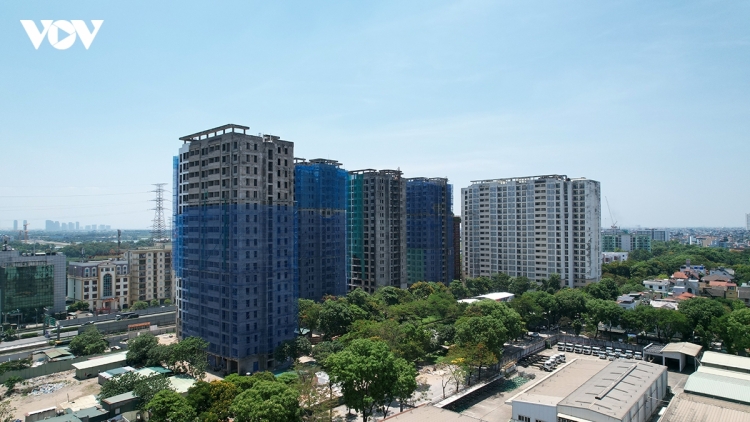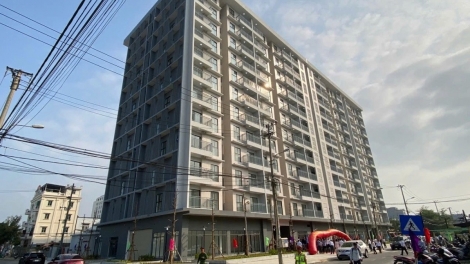




From January 1 to December 31 this year, credit institutions will not be required to count increases in loan balances for social housing projects, industrial parks, and export processing zones—compared with end-2025 levels—when calculating credit growth.
The policy enables commercial banks to expand lending to priority real estate segments, in line with national directives to develop social housing and industrial infrastructure while driving socio-economic growth. Among the 25 commercial banks receiving the notification are major lenders.
By mid-March, total outstanding loans under the social housing credit program had surpassed 1.55 billion USD. Of that amount, the Vietnam Bank for Social Policies had disbursed 950 million USD, while commercial banks had extended 600 million USD in loans.
The program is regarded as one of the banking sector’s key credit initiatives to help citizens access housing and increase the supply of affordable homes. Nguyen Hung, Chief Executive Officer of Tien Phong Commercial Joint Stock Bank, said, "The State Bank has introduced targeted policies for different market segments, including affordable housing, housing for low-income earners, and social housing. These measures have significantly improved access to credit."
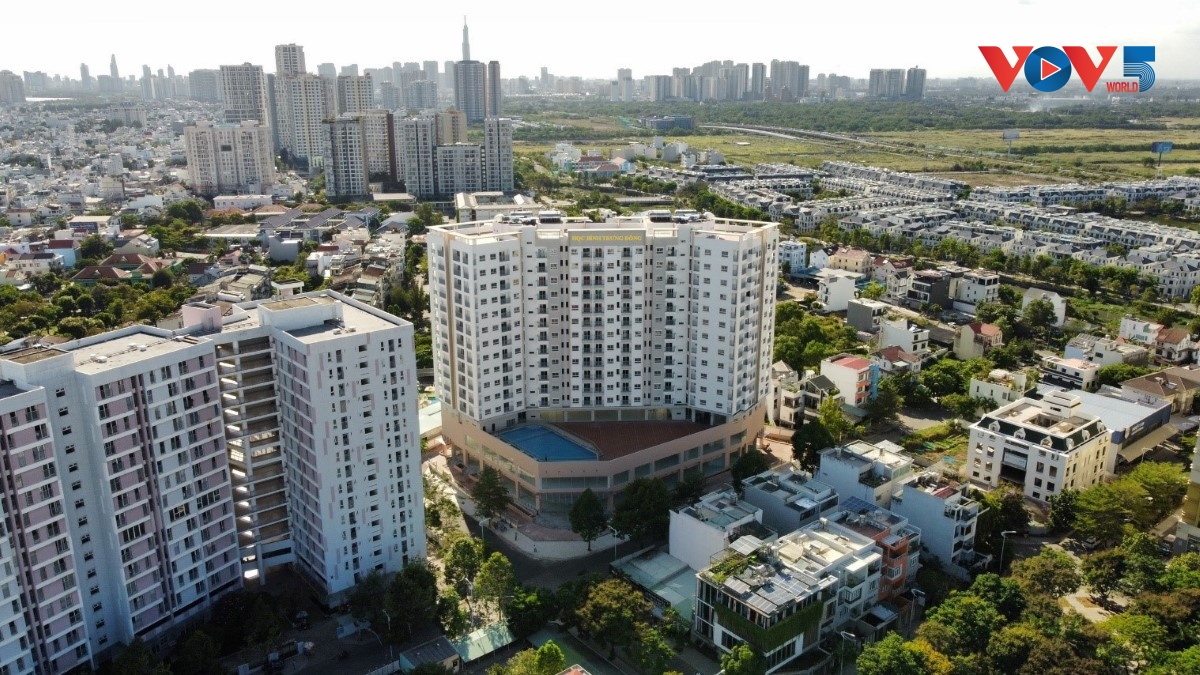
The prioritization of social housing and industrial parks reflects a broader effort to redirect capital toward safer and more strategically important sectors. It also responds to a pressing reality: the supply of affordable housing in major urban and industrial centers such as Ho Chi Minh City, Binh Duong, Dong Nai, and Hanoi remains critically limited.
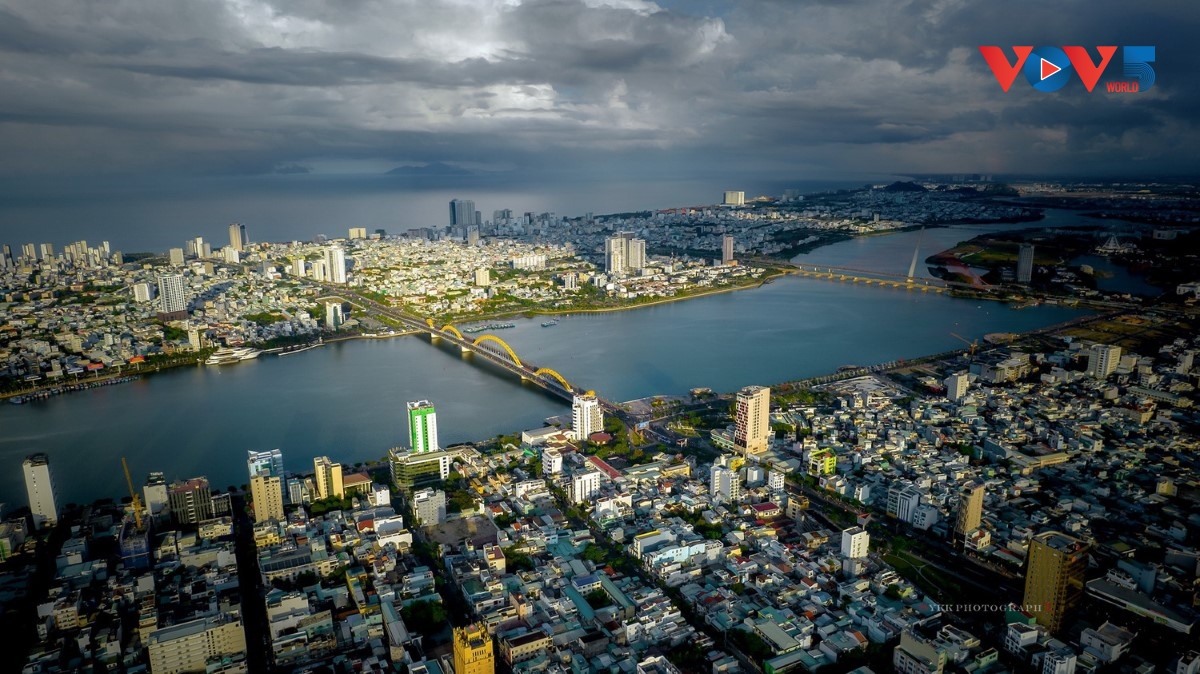
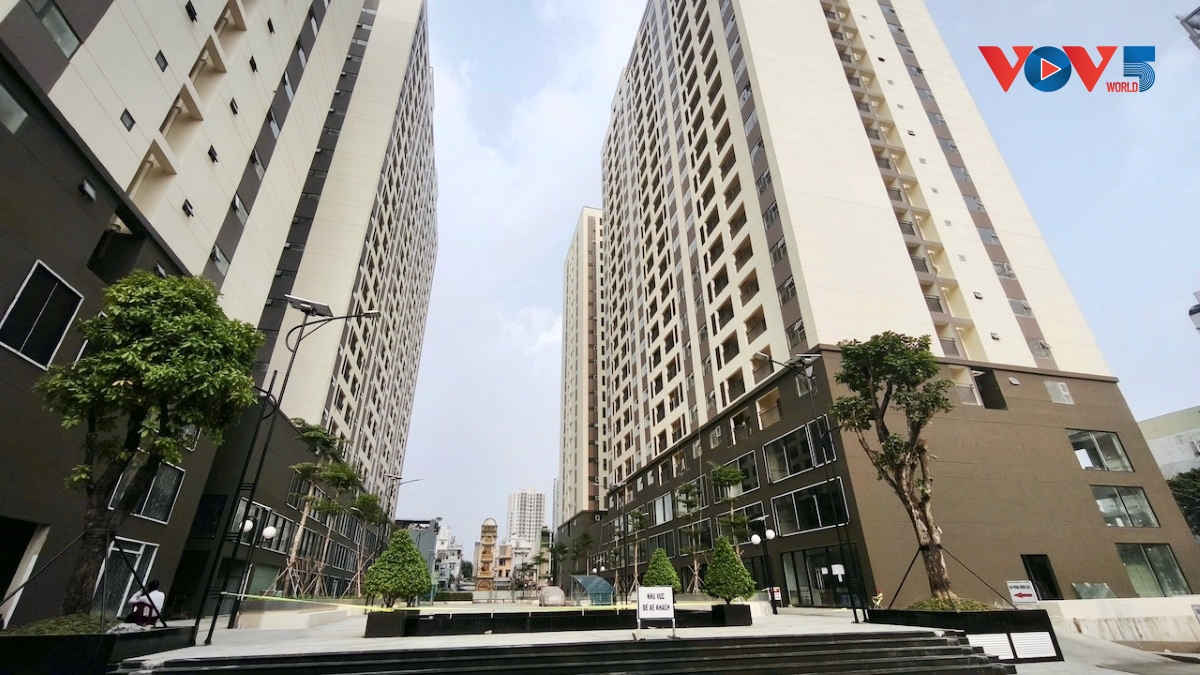
While commercial apartment prices have surged in recent years, the availability of homes for low-income workers has steadily declined. As a result, expanding credit for social housing has become an essential solution for strengthening urban social welfare and maintaining a stable workforce in key manufacturing hubs.
The new policy eases financing constraints, shortens project implementation timelines, and improves the ability to mobilize social resources for developing affordable housing near industrial parks and export processing zones.
Nguyen Tuan Anh, Deputy General Director of the Housing and Urban Development Investment Corporation, said, "Developers often borrow on relatively short terms, while the ultimate beneficiaries are the people. Stable interest rates are crucial for ensuring social welfare. Only through coordinated policies can the social housing challenge be comprehensively addressed."
Nguyen Van Thang, a worker from Nghe An province is bullish on the new policy, expressing his hope that this will lead to a wider range of housing products at affordable prices. “We are especially looking forward to loan programs with reasonable interest rates, so that young people can confidently access financing they can realistically repay," said Thang.
Industrial parks and export processing zones are also expected to benefit significantly from the policy shift. The move comes as Vietnam faces intense competition for foreign direct investment (FDI), particularly in high-tech industries, electronics, semiconductors, and green manufacturing.
But many localities are struggling with the enormous capital requirements needed to develop industrial park infrastructure, including land clearance, transport links, power and water systems, and environmental treatment facilities.
Improved access to credit will provide industrial park developers with additional financial resources to accelerate project implementation and improve Vietnam’s capacity to accommodate large-scale FDI projects.
Social housing helps address pressing social welfare needs while ensuring workforce stability. Industrial parks, meanwhile, provide the foundation for attracting investment, expanding production, and creating jobs. Together, these two sectors generate powerful spillover effects across the economy and are expected to become key drivers of Vietnam’s next phase of sustainable growth.