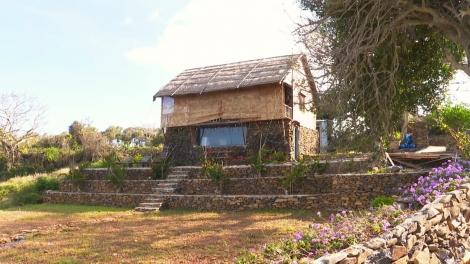




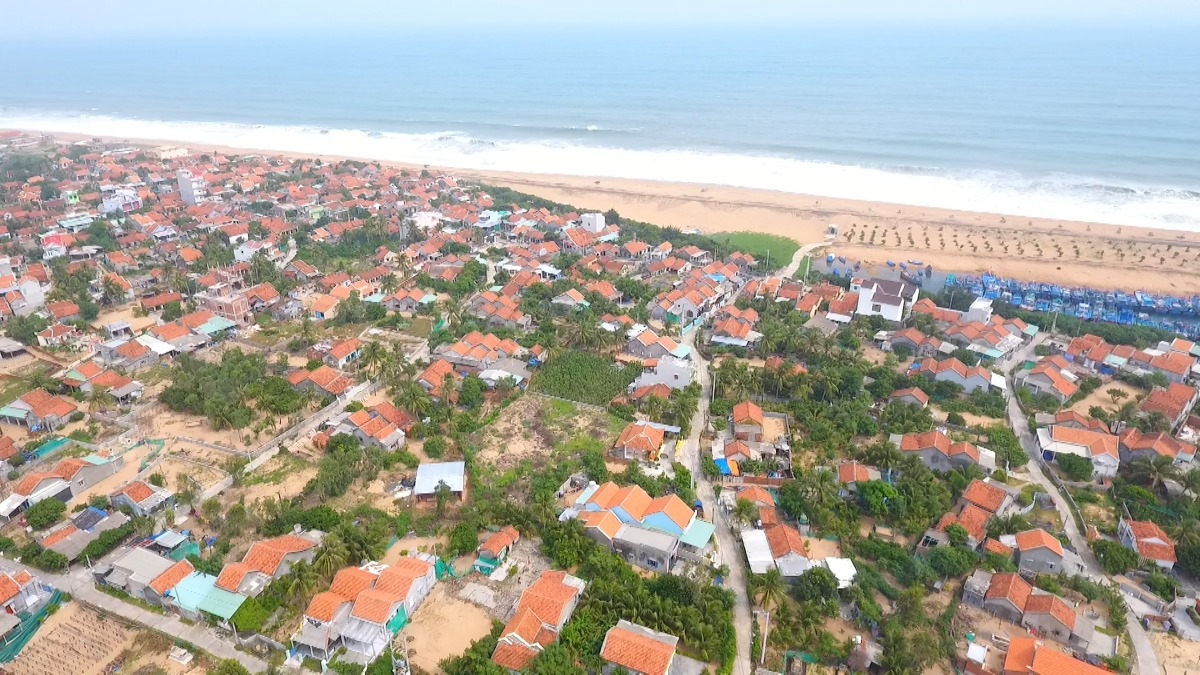
The road into the village follows the sun-soaked shoreline. On one side, the deep blue sea extends to the horizon; on the other, tranquil hamlets rest in the shade of swaying coconut palms. There is little trace here of urban bustle—only the sound of the sea breeze and the laughter of children.
In recent years, many local families have transformed their home into a homestay, opened a small eatery, or organized experiential activities for visitors. What sets Lang Lo apart is the community's determination to develop tourism sustainably while preserving the authentic identity of a traditional fishing village.
Many young villagers have returned home to join the tourism effort. On digital platforms they share stories of their homeland and promote the village's unique charm, creating a social media buzz that is drawing a growing number of visitors. Luu Ba Phuoc, a resident of Hoa Hiep ward, said, "We simply showcase what is unique about our village so visitors can experience its peaceful atmosphere, beautiful seascapes, and fresh seafood. Seeing tourists leave satisfied with our services makes us very happy."
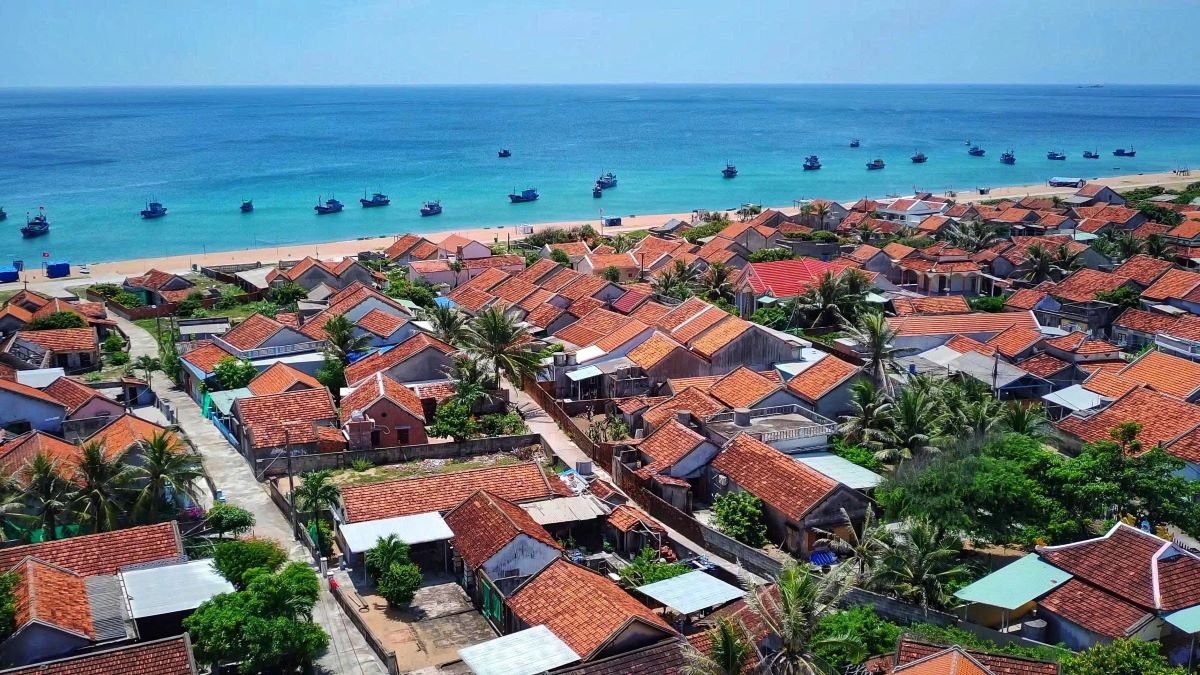
In Lang Lo, community tourism is more than a service—it’s a story of human connection. Visitors become part of village life. They share meals with the fishermen, help pull in fishing nets at dawn, and enjoy performances of bai choi folk singing and hat boi classical theatre alongside the local artists.
Lai Anh Quan, a tourist from Hanoi, said, "It's a destination well worth visiting and full of things to discover. The sea is pristine, the roads are spacious, and the local people are gentle, straightforward, and friendly."
Pham Duy Tan from Dong Nai said, "I will definitely come back many times. The people and the atmosphere here feel so familiar. The beach is wonderful. Visiting the market and watching the fishing boats come ashore was something I had never experienced before. The way people trade and interact with each other is truly fascinating."

For centuries, local residents have preserved traditions such as the whale worship festival, traditional fish sauce production, and net weaving. By leveraging cultural heritage, natural landscapes, and traditional crafts, the village has developed experiential tourism products closely tied to its fishing way of life.
Duong Van Dong, Deputy Chairman of the People's Committee of Hoa Hiep ward, said, "We’re focusing on raising awareness and guiding local businesses and fishing households to preserve the village's distinctive architecture. We also work with elders and experts in traditional festivals—including the whale worship festival, boat racing, and ba trao ritual chanting—to restore these practices to their authentic forms and present them to visitors."
Lang Lo was recently selected by the Vietnam National Authority of Tourism as one of Vietnam's 5 nominees for UN Tourism's Best Tourism Villages 2026 award.
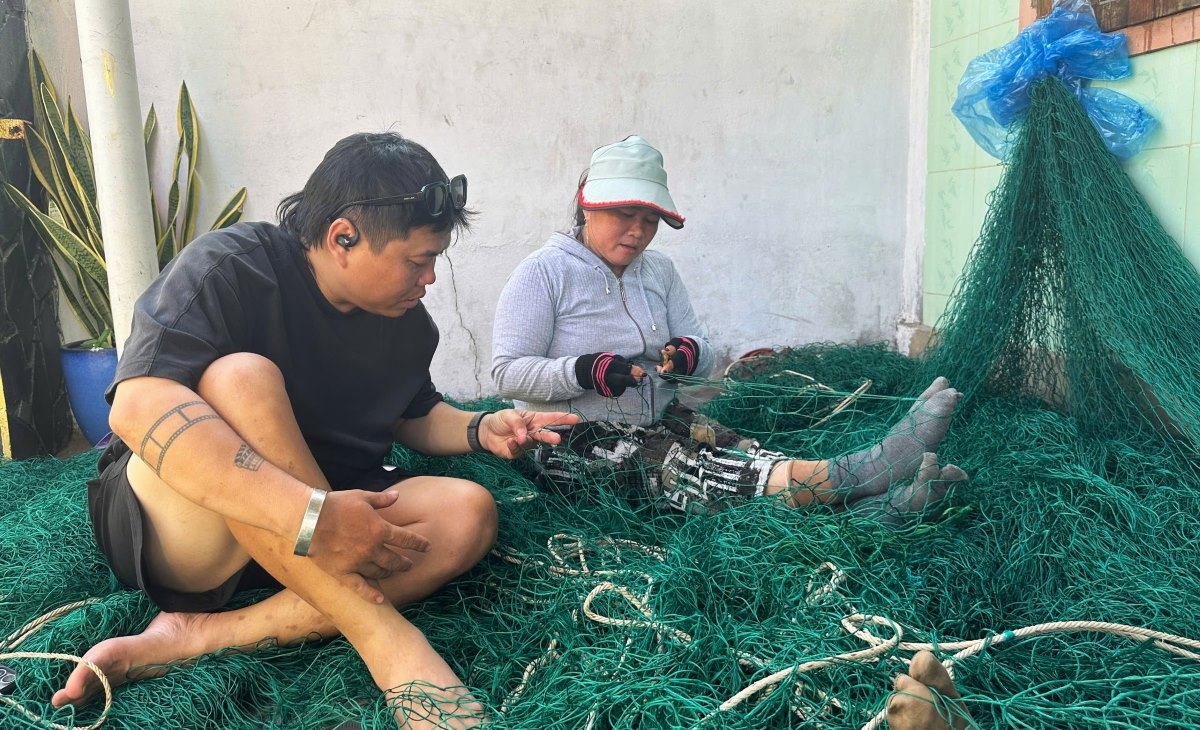
According to Le Phuc Long, Deputy Director of Dak Lak's Department of Culture, Sports and Tourism, the nomination is an opportunity to introduce the village to the world and accelerate professional, green, sustainable community tourism.
"We hope Lang Lo's nomination will succeed and receive recognition from UN Tourism. The title will provide a strong foundation for developing Dak Lak's coastal community tourism model. It will become a brand capable of attracting large numbers of international visitors, like Lo Lo Chai in Ha Giang," Long told VOV.
Today, Lang Lo is pursuing a new, more sustainable course—developing community tourism while preserving the tranquil, rustic character of a traditional fishing village. While continuing to make a living from the sea, Lang Lo residents are using tourism as a way to safeguard and share the cultural heritage of their homeland.