




Thanks to the Party and State’s ethnic policies and national target programs, the commune has seen significant progress in economic development, social welfare, and the cultural and spiritual life of its people.
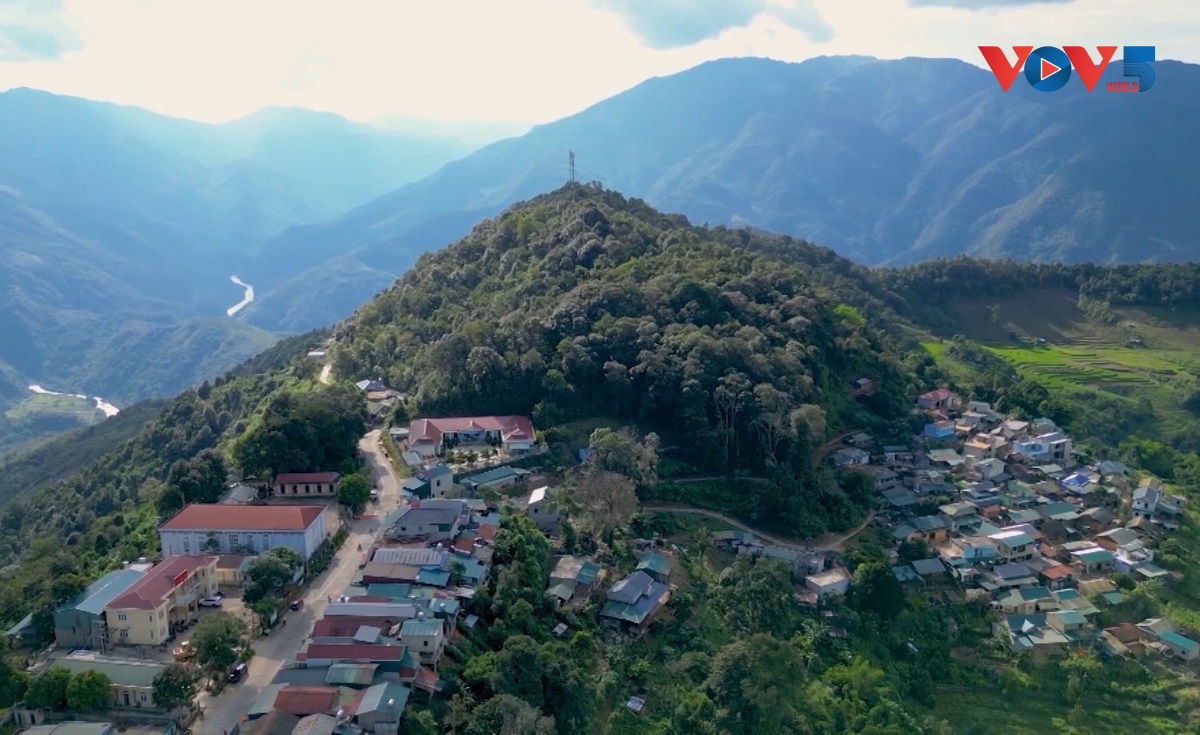
Paved roads to remote hamlets, electricity lighting every household, and flourishing medicinal herb gardens beneath the forest canopy are signs of changes among the ethnic communities of Thu Lum, one of the most disadvantaged areas in the border province of Lai Chau, to rise above poverty once and for all.
Chu Nhu Ca, a Ha Nhi resident who has lived in Thu Lum for more than 60 years, recalled the difficult past when harsh weather, poor roads, lack of electricity, water shortages, and a reliance on subsistence farming forced people to live a hand-to-mouth existence.
Today, he can’t hide his joy at the transformation of his homeland. Speaking to VOV, Mr. Ca said the roads leading to the villages are now smooth and beautiful, houses are more spacious, and the forests are being protected and sustainably utilized.
“People’s living conditions and awareness have improved significantly. Since the administrative unit merger, the new leadership has paid greater attention to socio-economic development. Investment in electricity, roads, schools, and healthcare facilities has increased considerably compared with the past,” said Mr. Ca.
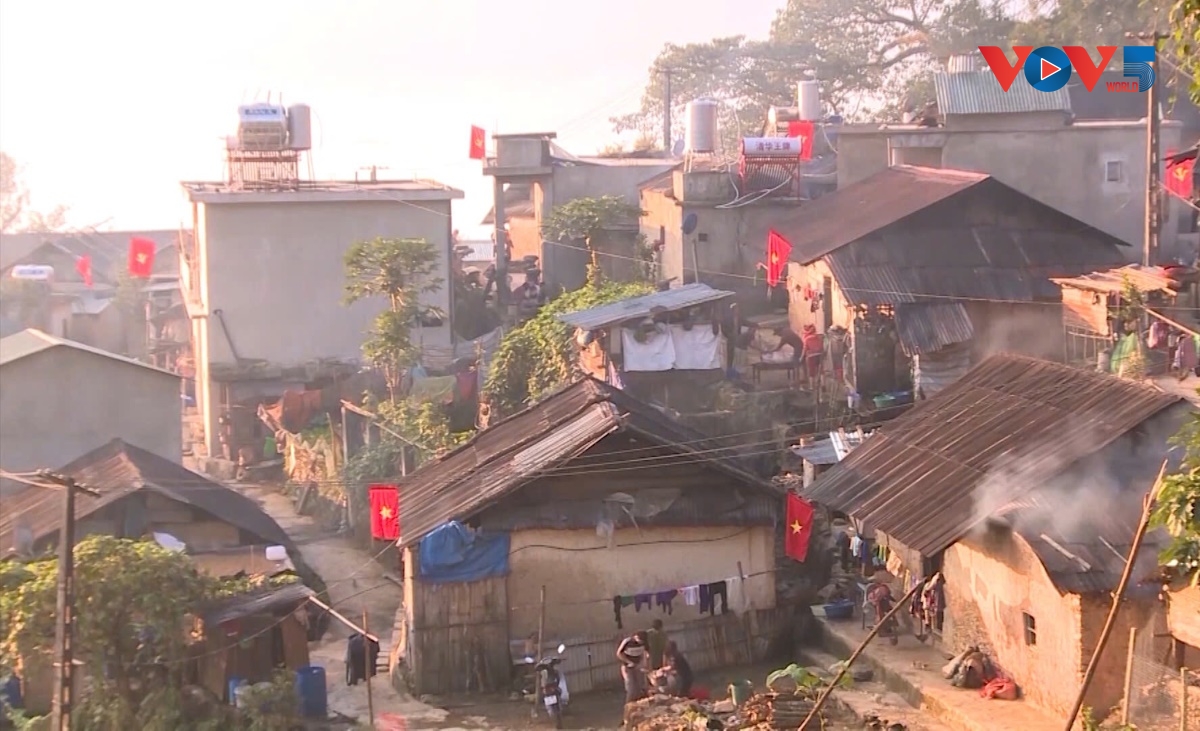
Thu Lum commune was established through the merger of Ka Lang commune and the former Thu Lum commune of Muong Te district. The first Party Congress of the new commune, for the 2025-2030 term, has set a goal of turning Thu Lum into a moderately developed commune in Lai Chau province by 2030.
To that end, the commune is capitalizing on its advantages by expanding the cultivation areas of black cardamom, purple cardamom, Lai Chau ginseng, cinnamon, and other medicinal plants grown under forest canopies. It is also promoting concentrated livestock farming and developing service industries.
Po Go Tu, Secretary of the Me Giong hamlet Party Cell, said the hamlet is focusing on growing medicinal herbs and investing in infrastructure associated with community-based tourism. “Socio-economic development here follows the Party Resolution and directives from the commune. We continue to pass these orientations on to Party members and local residents. Whether it’s purple cardamom or other crops, we encourage the cultivation of those best suited to local conditions,” Mr. Tu noted.
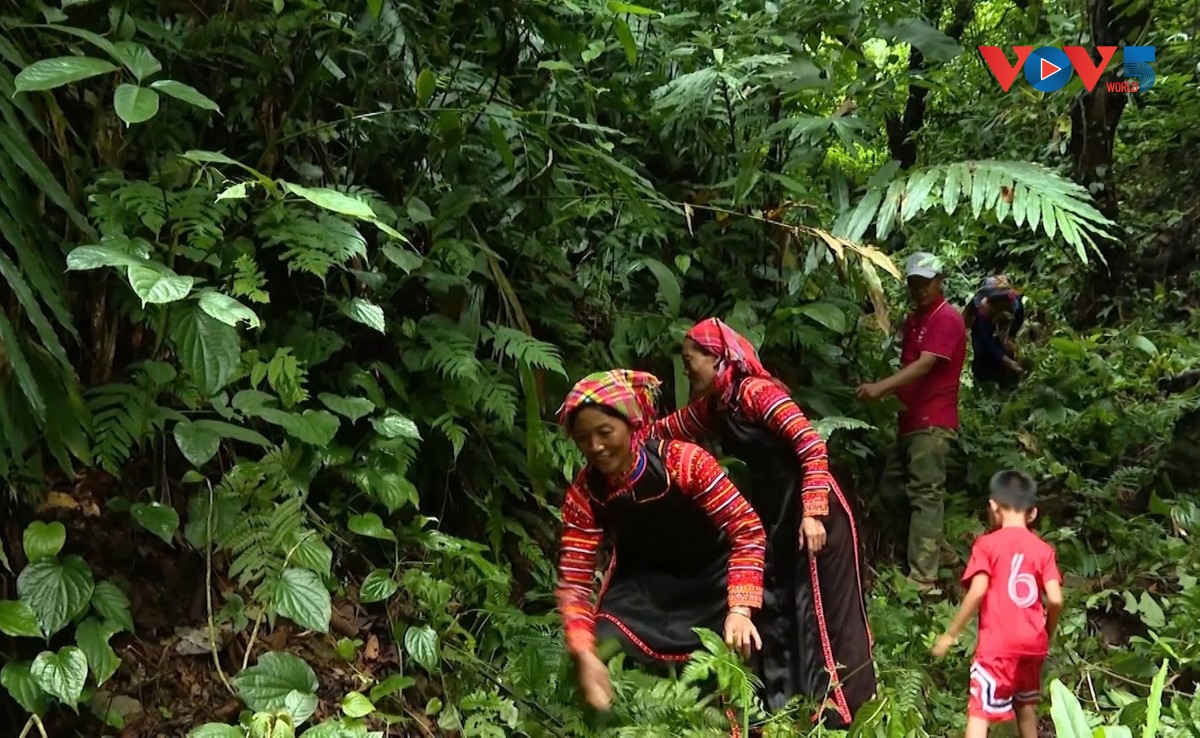
Benefiting from vast natural forests with a coverage rate of 82%, Thu Lum is building a large-scale medicinal herb zone with hundreds of hectares of purple cardamom, black cardamom, cinnamon, and lemongrass. In high-altitude areas above 1,200 meters, including U Ma, Coong Kha, Lo Na, and Lo Ma, cultivation areas for Lai Chau ginseng are steadily expanding. This has been identified as a long-term development strategy that will boost incomes and protect the ecological environment.
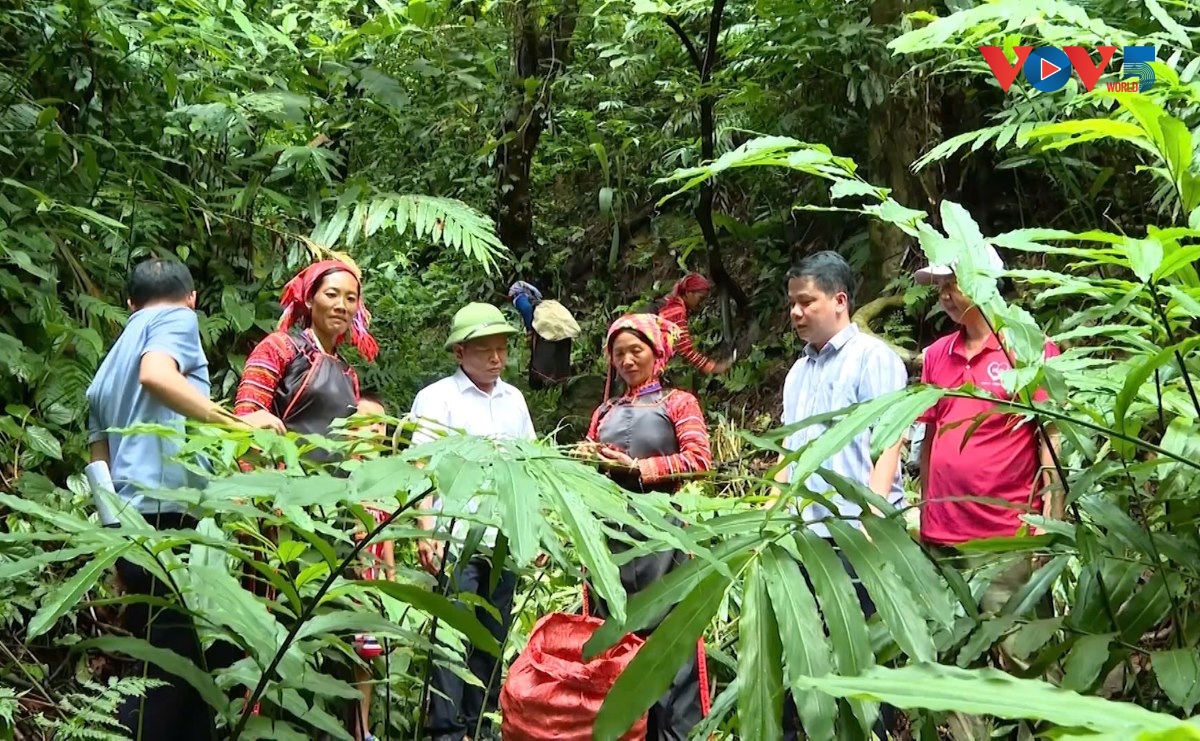
Ly Chuy Hu, Deputy Chairman of the Thu Lum commune People’s Committee, said medicinal plants are strategic crops with high economic and commercial value. Many cultivation models generate between 2,400 USD and 4,000 USD per hectare, several times higher than traditional farming. With support in seeds, concessional loans, and technology transfer, many Ha Nhi and La Hu households have boldly changed their production practices, gradually escaping poverty and building prosperity on their own land.
“The commune encourages people to form cooperative groups and cooperatives for medicinal herb cultivation, attract investment, and sign product off-take agreements. We regard the development of medicinal plants under forest canopies as a long-term strategy that suits local conditions,” said Mr. Hu, adding, “Effective implementation will enable sustainable use of forest resources, improve people’s incomes, protect the ecological environment, and promote socio-economic sustainability.”
Once an impoverished border commune, Thu Lum is now emerging as a prosperous and resilient community and a strong outpost guarding the national frontier.