(VOVWORLD) - Since Ha Giang was merged into Tuyen Quang, the economic landscape of Vietnam’s northeast region has been undergoing a strategic shift. With a larger territory, greater population, and strengthened tourism resources, Tuyen Quang is evolving from the historic “capital of the liberation zone” into a rising tourism hub of the northern mountains, unlocking significant potential for development.
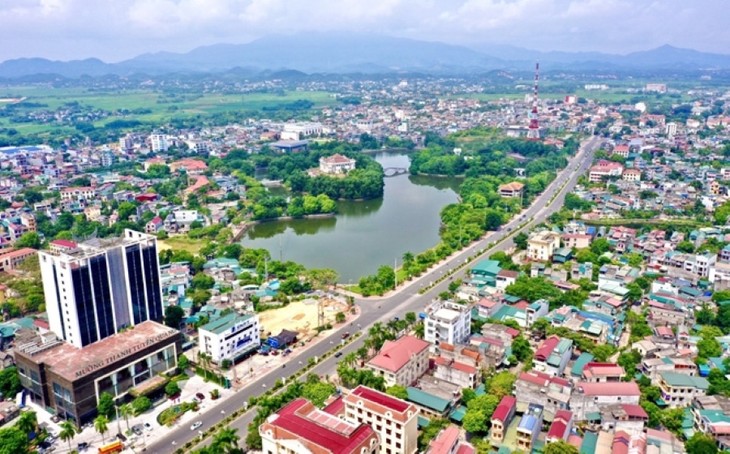 Tuyen Quang is set to affirm its position as a key center for economic, cultural, and tourism development in the midland and northern mountain region. (Photo: baodantoc.vn) Tuyen Quang is set to affirm its position as a key center for economic, cultural, and tourism development in the midland and northern mountain region. (Photo: baodantoc.vn) |
Ha Giang and Tuyen Quang share natural, cultural, and infrastructural linkages. Now integrated under one administrative unit, the region is well-positioned to build a complete tourism value chain—from resource development to services, investment, and trade.
Nguyen Trung Ngoc, Director of Tuyen Quang province’s Department of Culture, Sports and Tourism, said, “The merger creates a broader and more diverse tourism development space. Historical, spiritual, cultural, experiential, eco-tourism, and especially community-based tourism—where local people can actively participate and improve their livelihoods—will all see expanded opportunities.”
With transportation infrastructure being comprehensively upgraded, travel time between destinations is expected to be halved. Key sites such as Na Hang, Lam Binh, Dong Van, and Yen Minh will no longer stand as isolated attractions but will form an appealing inter-regional tourism circuit, helping extend visitor stays and increase spending.
Dang Quoc Su, Director of the provincial Tourism Promotion Center, said that the vast new space enables diverse linkages between tourism products and destinations—from the Viet Bac revolutionary base, the wartime capital, to standout destinations like Na Hang and Lam Binh, connecting further to the Dong Van Karst Plateau UNESCO Global Geopark and the Hoang Su Phi terraced fields.
“These linkages and varied tourism products will offer businesses and travelers a fuller, richer experience of the new Tuyen Quang,” said Su.
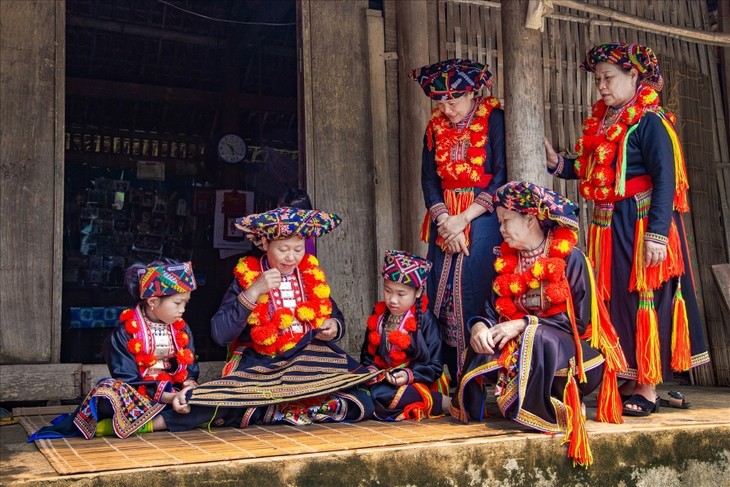 Tuyen Quang prioritizes tourism development with the preservation and promotion of natural resources and cultural heritage values. (Photo: baodantoc.vn) Tuyen Quang prioritizes tourism development with the preservation and promotion of natural resources and cultural heritage values. (Photo: baodantoc.vn) |
The merger also opens the door for Tuyen Quang to broaden its investment market and increase its appeal to tourism enterprises. With extensive land resources, a young labor force, and a rich natural–cultural ecosystem, the locality is emerging as a promising destination for both domestic and foreign investors.
By the fourth quarter of this year, more than 20 major tourism, resort, and service projects had registered to conduct surveys in Tuyen Quang. Numerous travel companies, hotel groups, and community-based tourism enterprises are seeking partnerships—ranging from eco-resorts and lakeside complexes to standardized homestay networks across the mountain region.
Luong Duy Doanh, Director of the Five Star Travel, shared his view on tourism potential after the merger, “After merging the former provinces of Ha Giang and Tuyen Quang into the new Tuyen Quang, the tourism sector has much more room to grow with a wider range of products.”
“This creates strong momentum. Travel companies now have many more services for customers and partners. For example, a 3-day-2-night itinerary from Hanoi can take visitors from Lung Cu to Dong Van and Yen Minh, then on the second day to Lam Binh to fully explore the new Tuyen Quang’s landscapes and destinations,” Doanh added.
Beyond investment, the merger strengthens Tuyen Quang’s capacity for unified tourism management and promotion. Local authorities now have the conditions to harmonize policies, pool resources, implement integrated regional planning, and allocate land for large-scale tourism projects.
These steps form the foundation for Tuyen Quang to grow into an ecological and cultural tourism center of the northeast, with tourism expected to account for 15% of GRDP by 2030.
Economists say the “expanded Tuyen Quang” will also generate spillover effects across other sectors—trade, agricultural produce, services, transportation, and urban infrastructure. Tourism brings in revenue from accommodation and dining, boosts domestic consumption, and creates jobs for tens of thousands of local workers.