





 Vietnamese
 中文
中文
 日本語
日本語
 한국어
한국어
 Français
 Русский
 Deutsch
 Español
 Bahasa Indonesia
 ไทย
ไทย
 ພາສາລາວ
 ខ្មែរ
ខ្មែរ


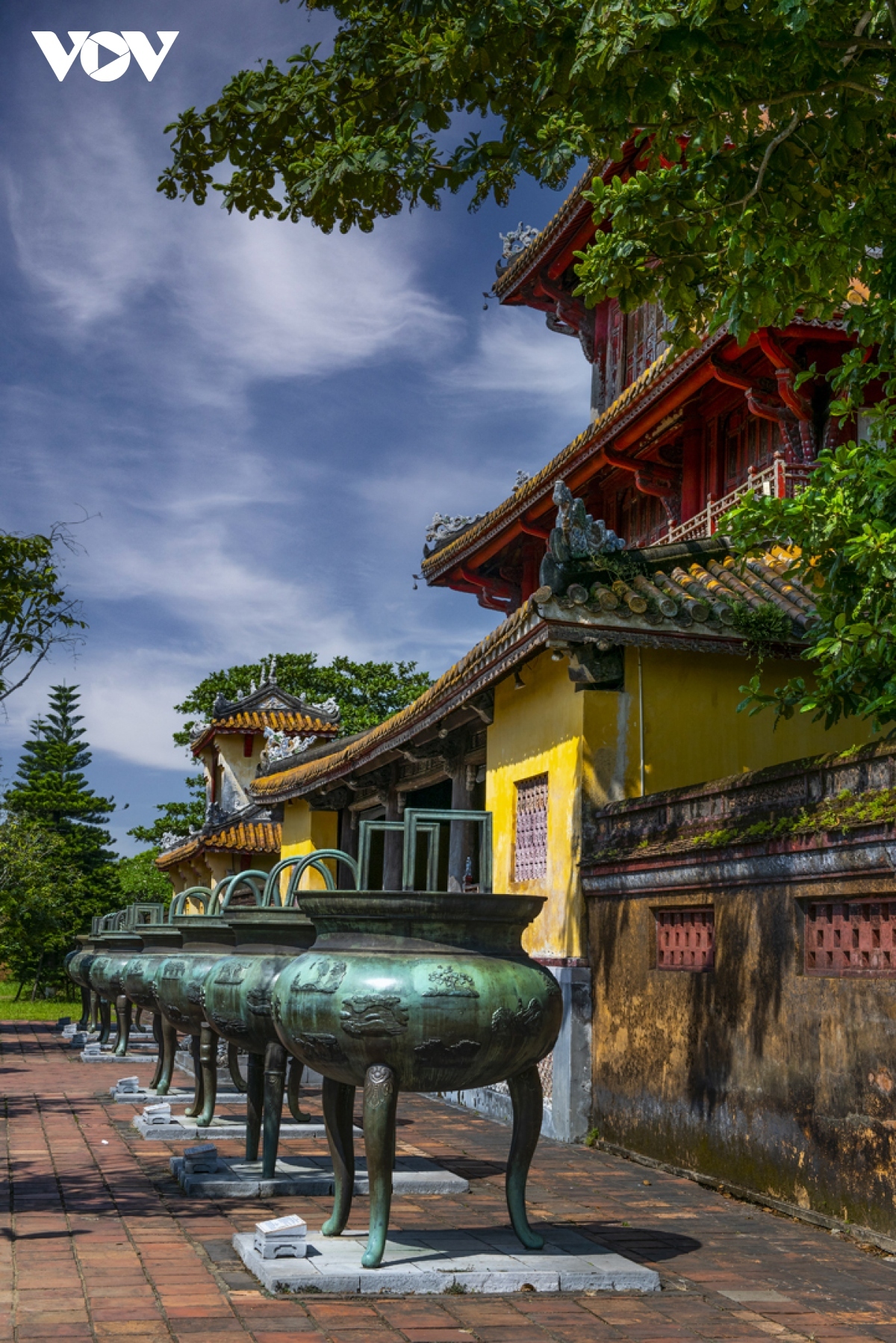 |
| The urns were created in late 1835 and completed in early 1837. |
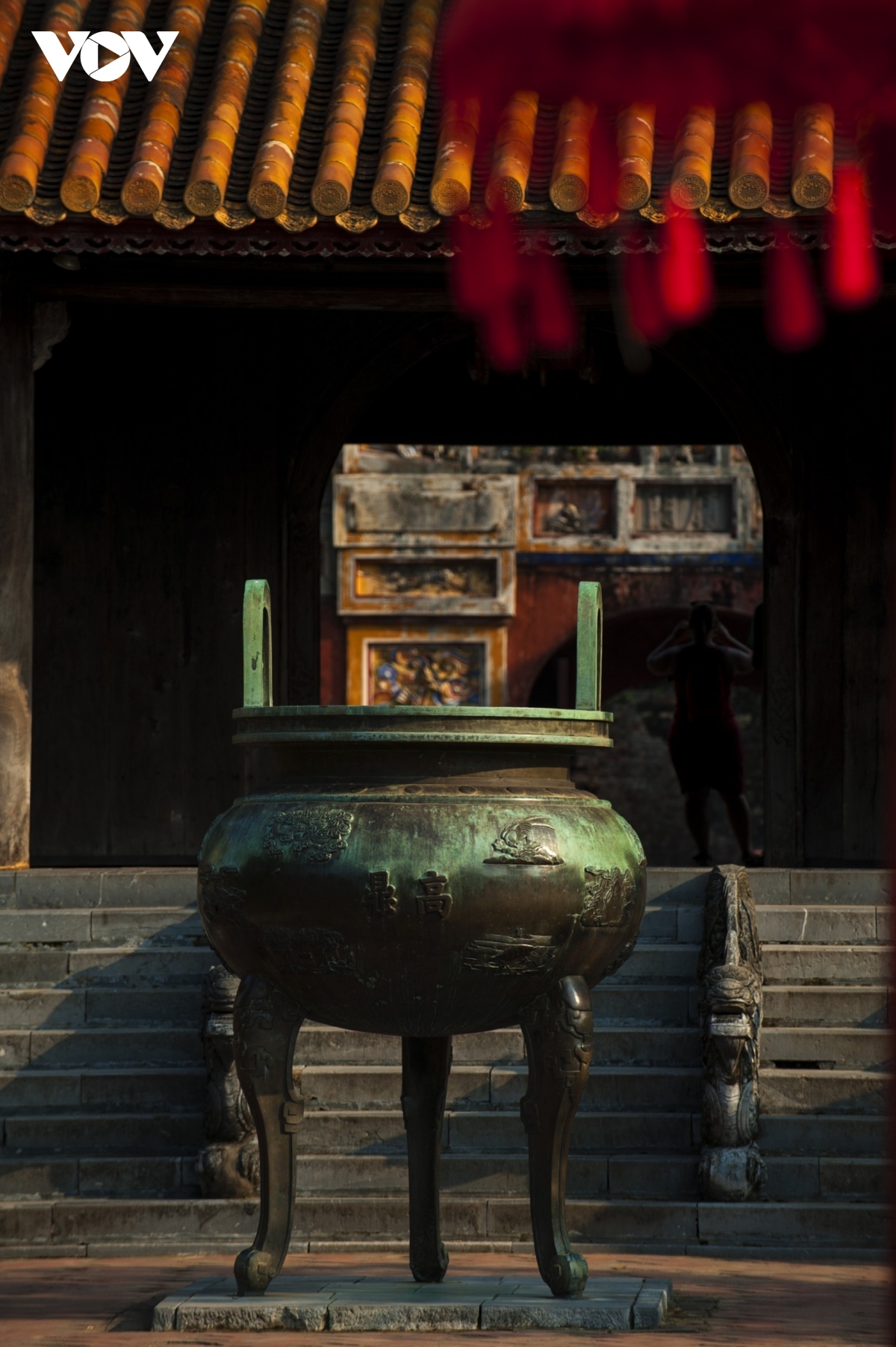 |
| In 2012 they were recognised as a national treasure and considered to be the most valuable bronze objects in the nation. |
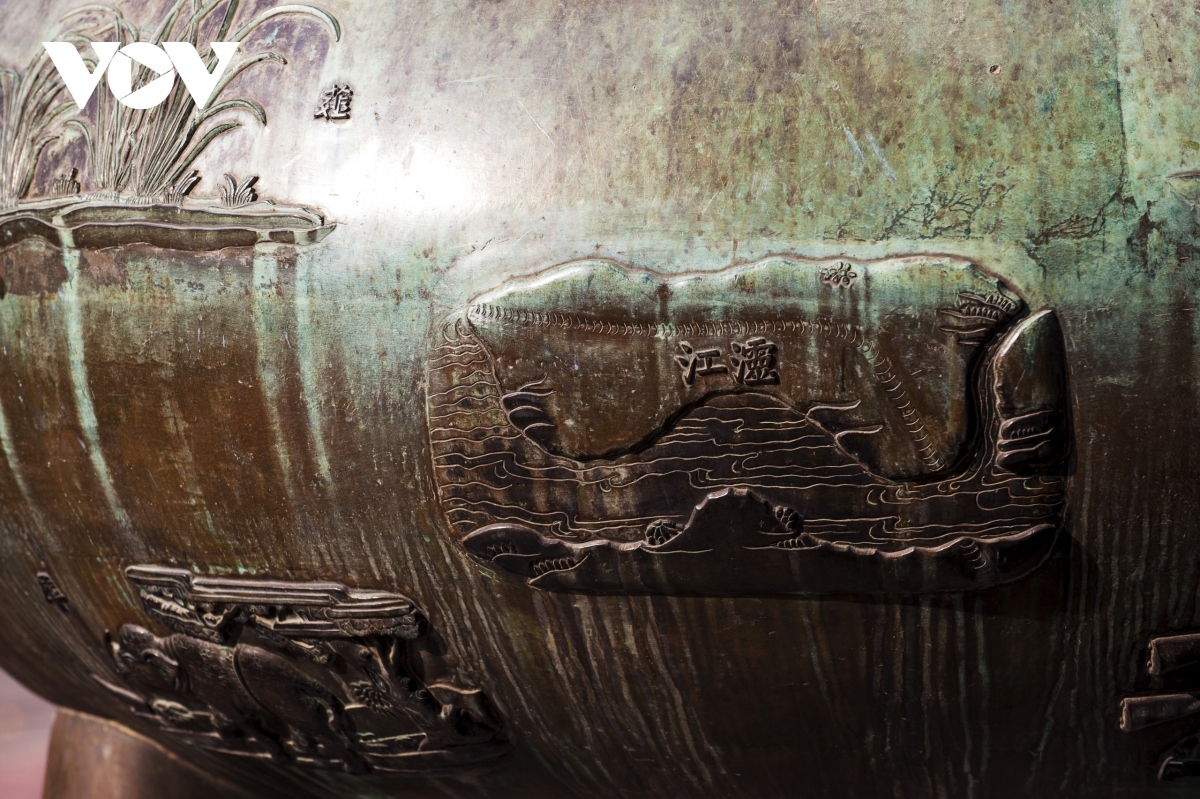 |
| At the 10th plenary meeting of Memory of the World Committee for Asia and the Pacific held in Mongolia on May 8, 2024, the urns were inscribed in the Memory of the World Register. |
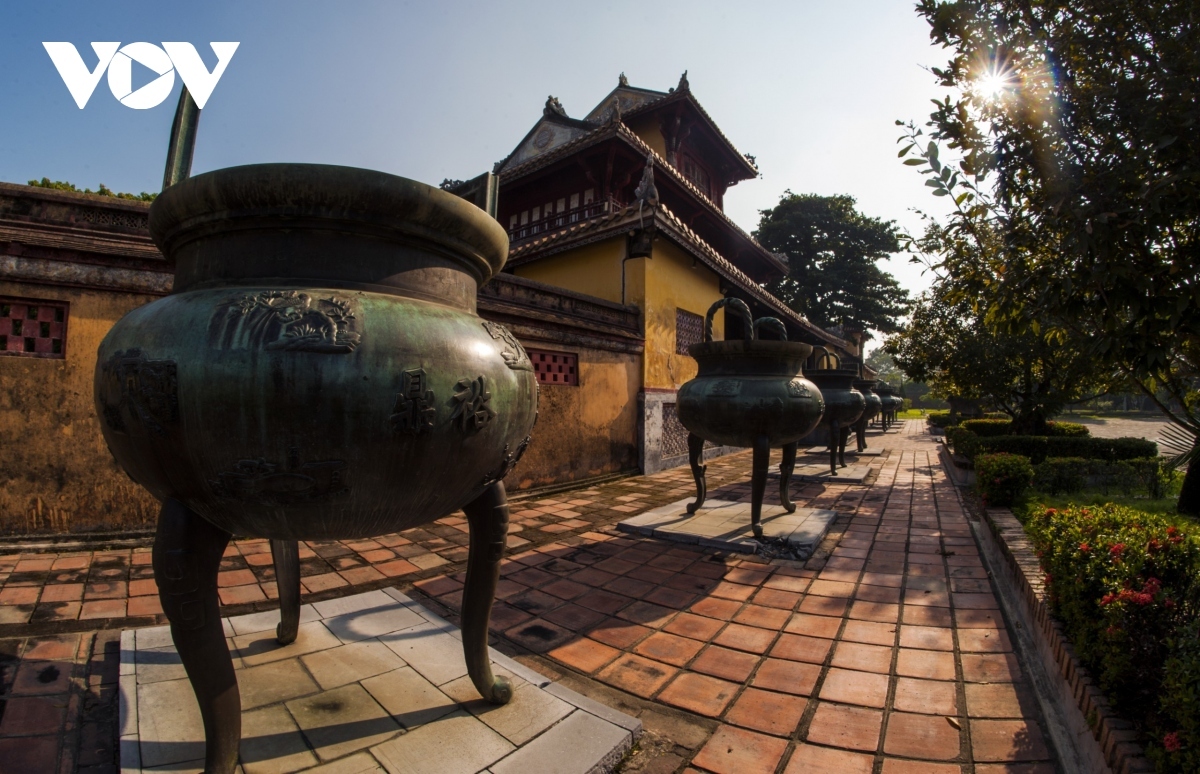 |
| Each bronze urn represents a King of the Nguyen Dynasty. |
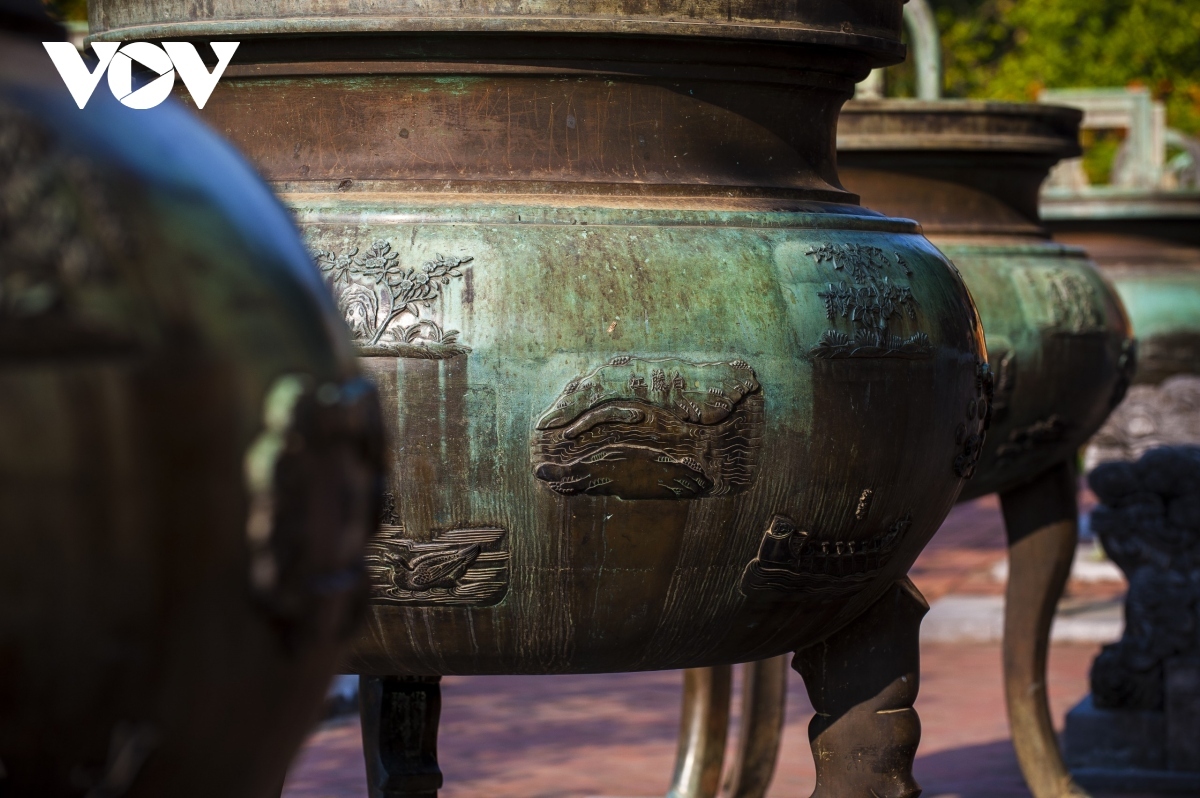 |
| The tallest urn stands at 2.5 metres high, compared to the shortest which is 2.3 metres high. |
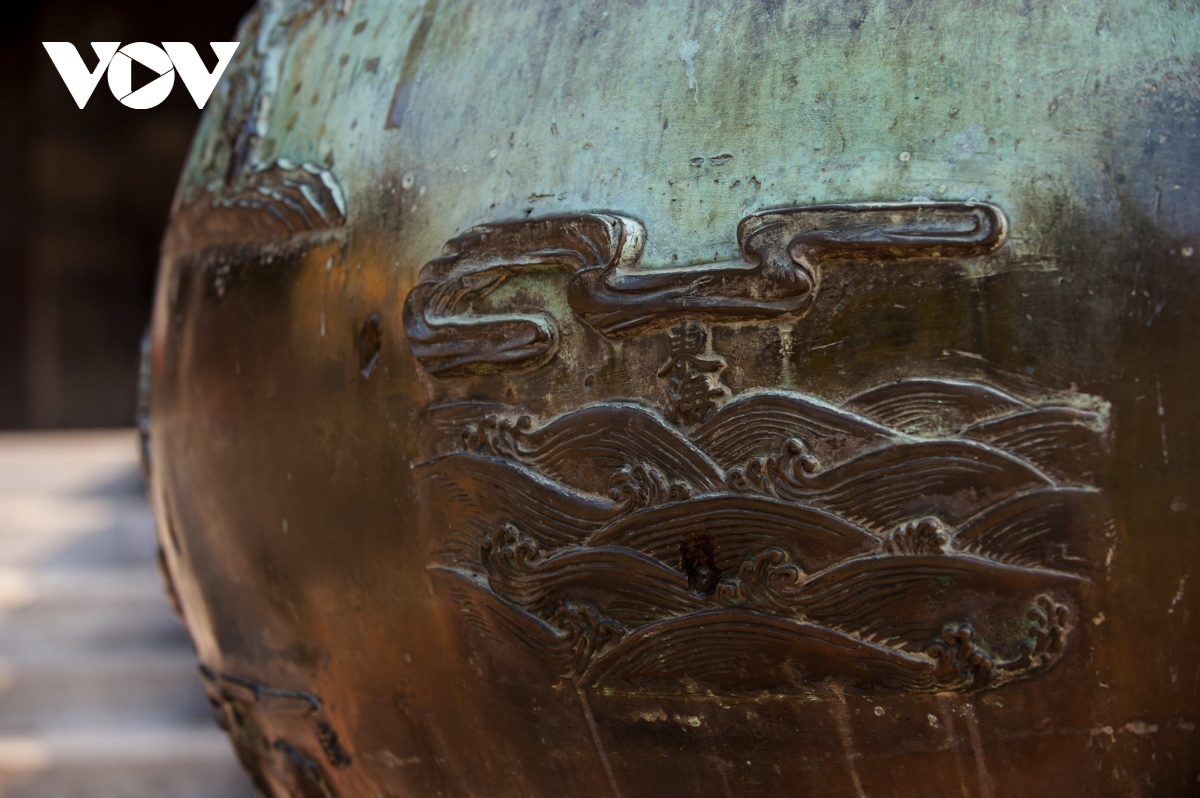 |
| The urns weigh between 1,930 kg and 2,600 kg. |
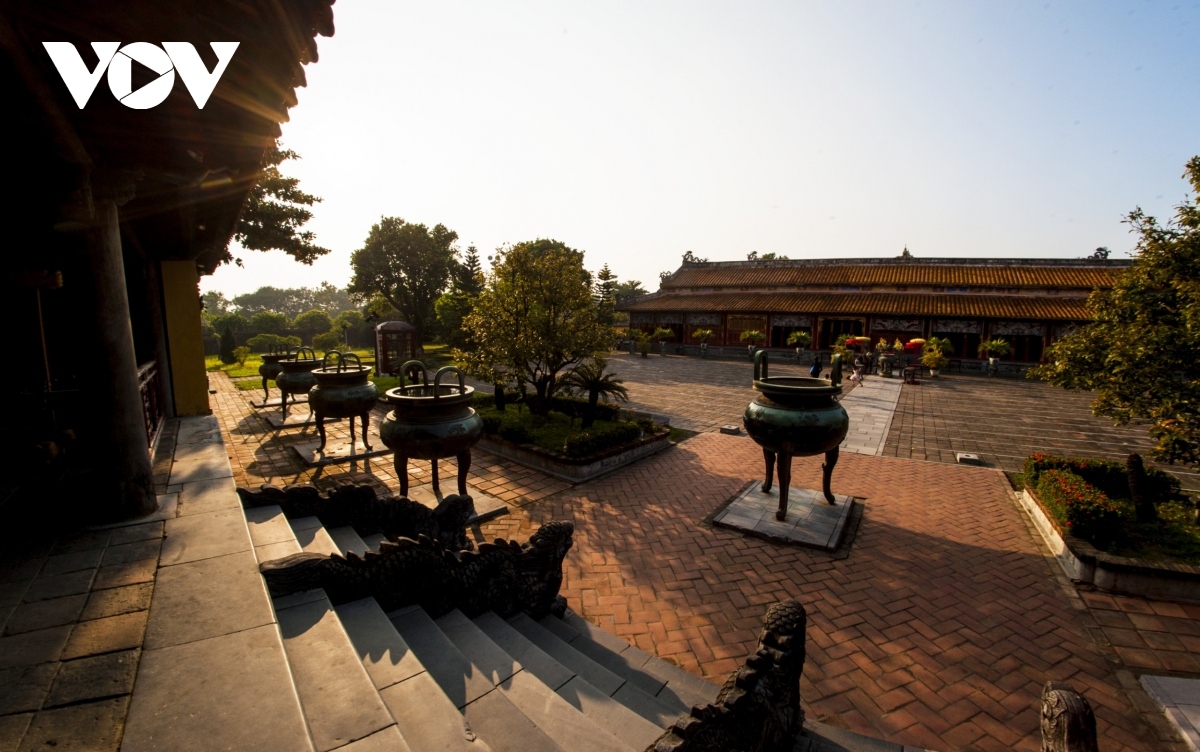 |
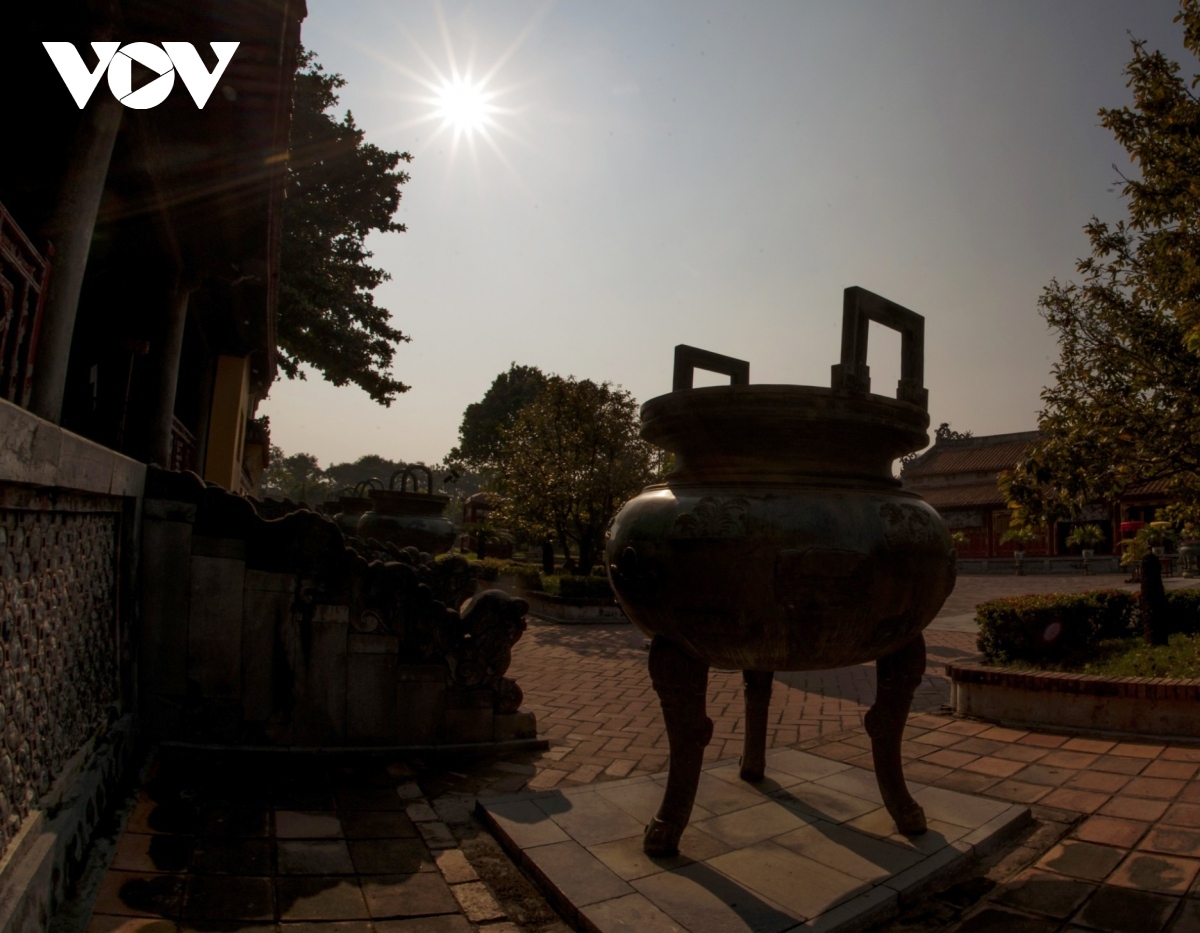
| The intact urns are placed at the yard of the Hue Imperial Citadel’s Dynastic Temple, a place to worship the kings of the Nguyen Dynasty, the last feudal regime which ruled Vietnam from 1802 to 1945. |
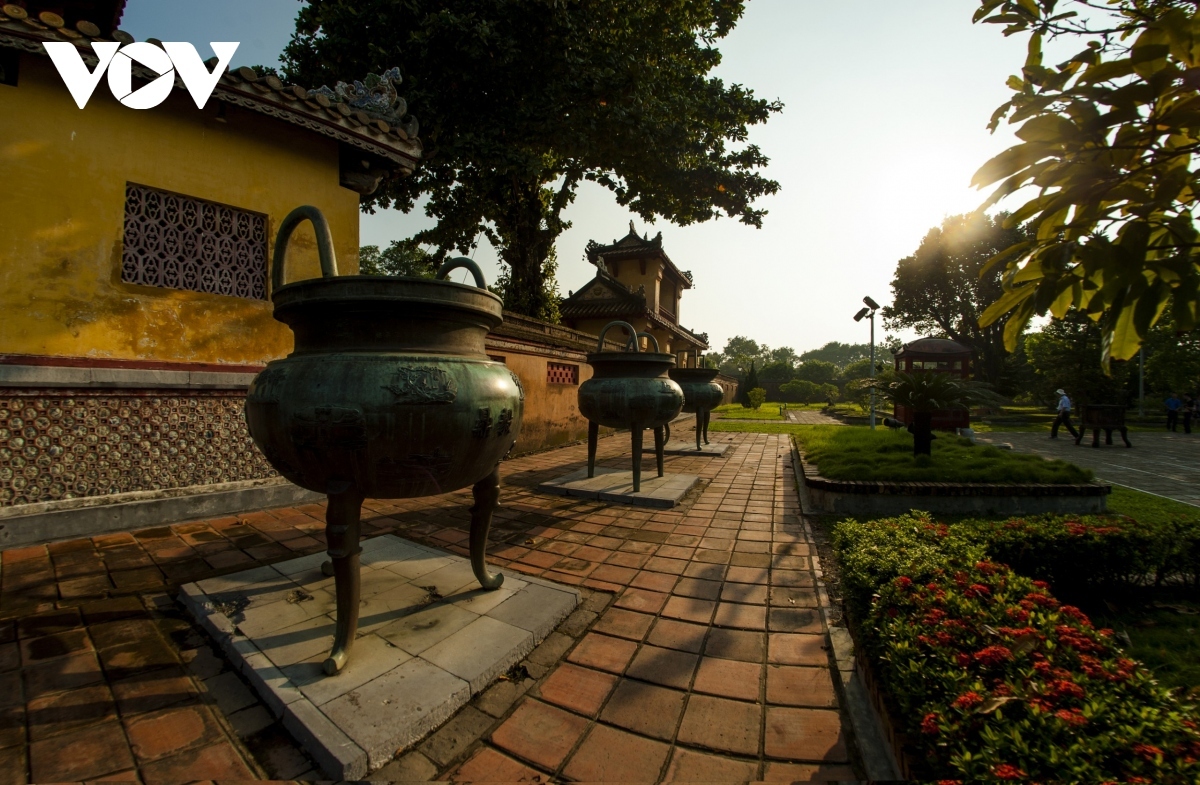 |
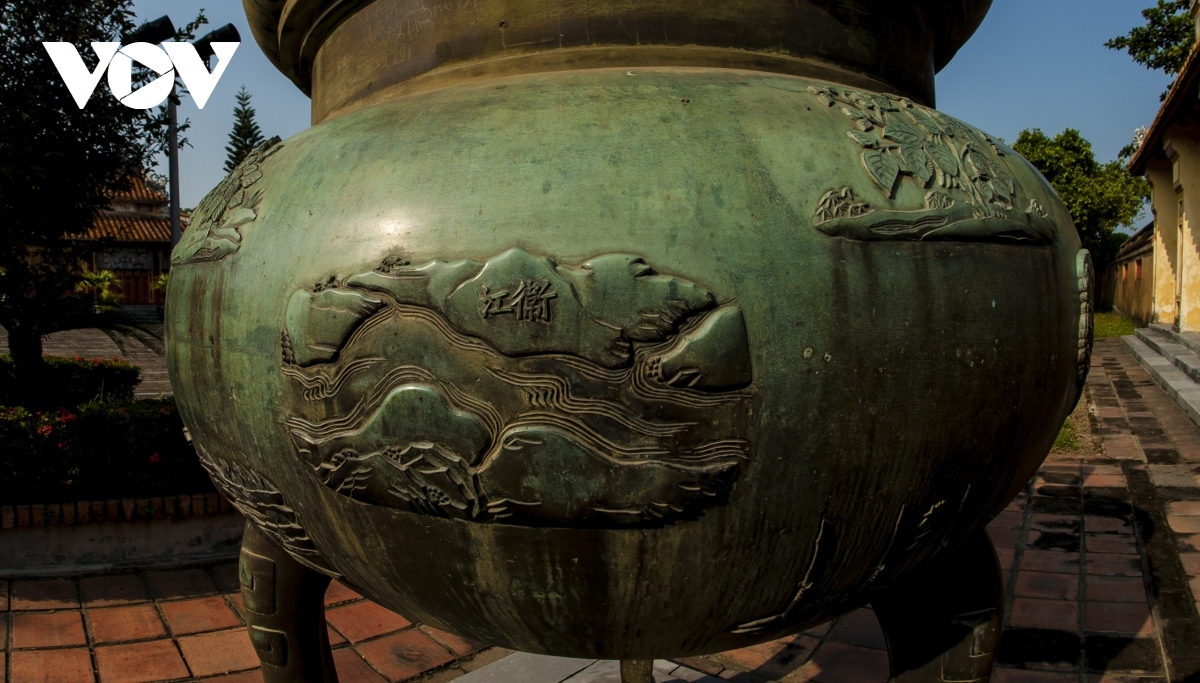
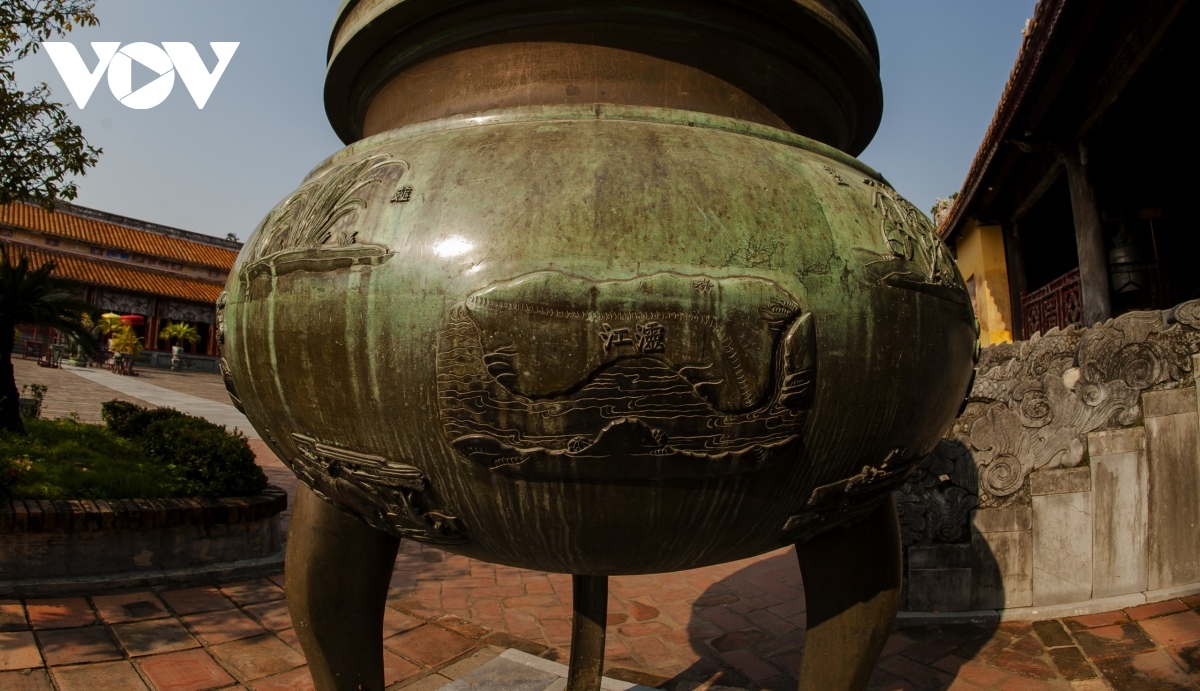
| All cast in bronze, the urns represent the unity and beauty of the country, as well as the sustainable existence of the Nguyen Dynasty. |
 |
 |
 |
