Media

Home
  1. Media
Sunday, 22:06, 30/08/2026

Hanoi gears up to identify martyrs’ remains

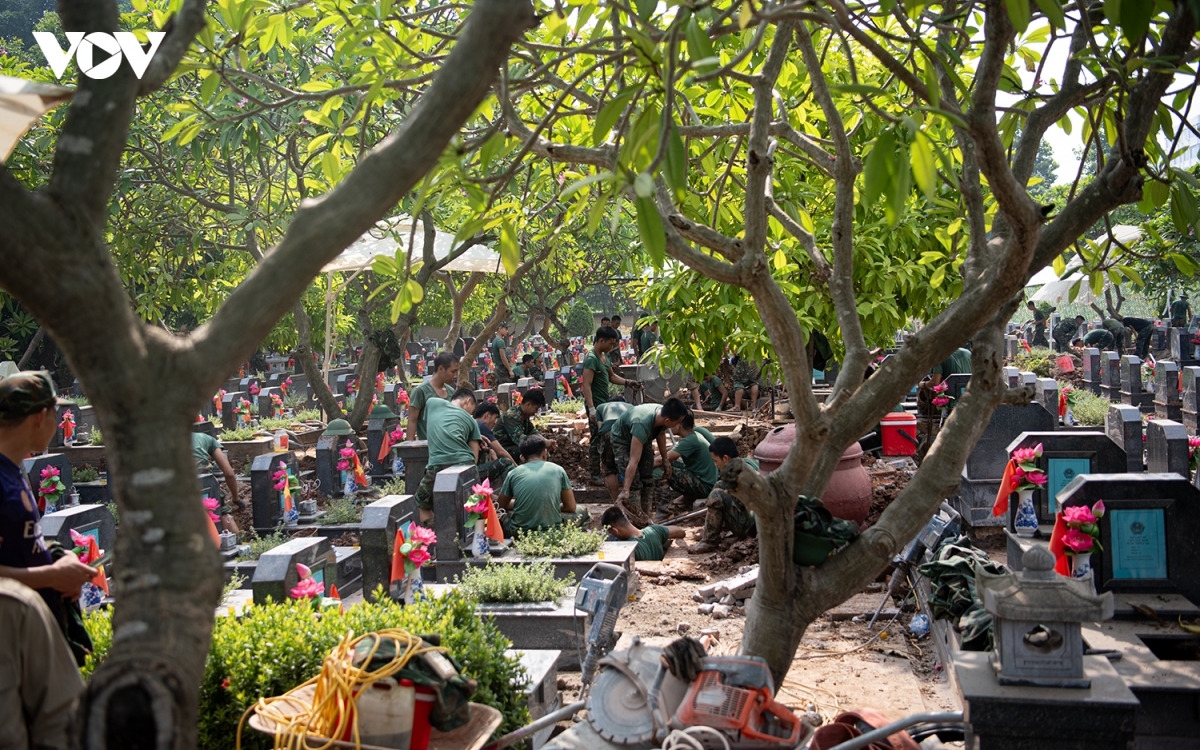
[VOVWORLD] - More than 200 military personnel from the Hanoi Capital Command are collecting biological samples at Mai Dich Cemetery to help identify the remains of 469 unknown martyrs.

The task is scheduled be completed by October 10, 2026, the 72nd anniversary of the Capital’s Liberation Day. That's also just over a week before the 80th anniversary of the Traditional Day of Hanoi's Armed Forces. (Photo: Chung Thuy - Nguyen Ha/VOV)
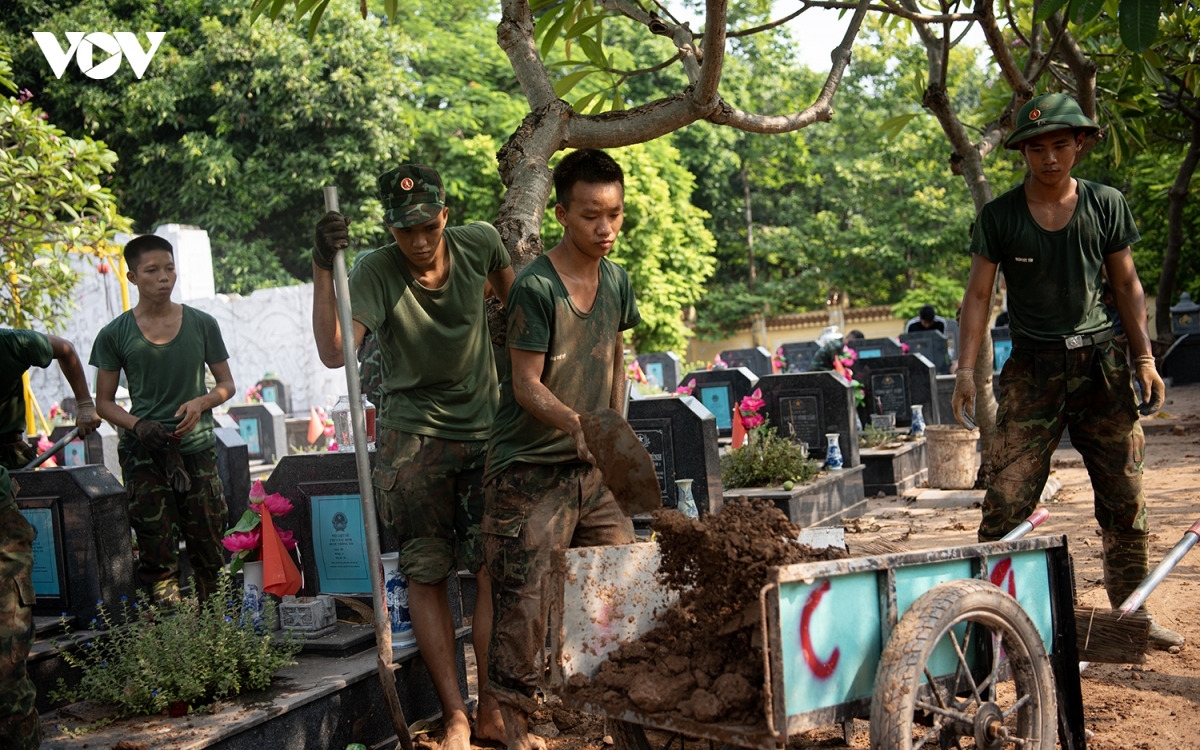
Personnel from Infantry Division 301 and Engineering Battalion 544 are carrying out every step methodically, on schedule, and with the utmost dedication and responsibility. (Photo: Chung Thuy - Nguyen Ha/VOV)
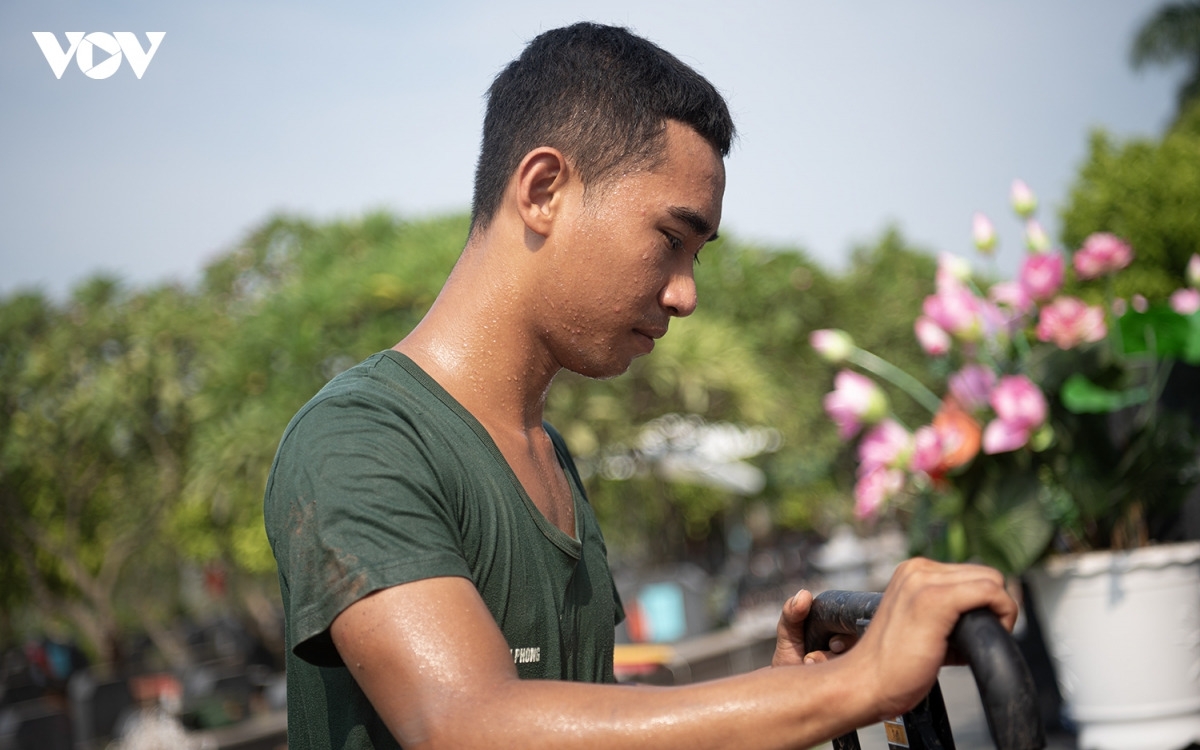
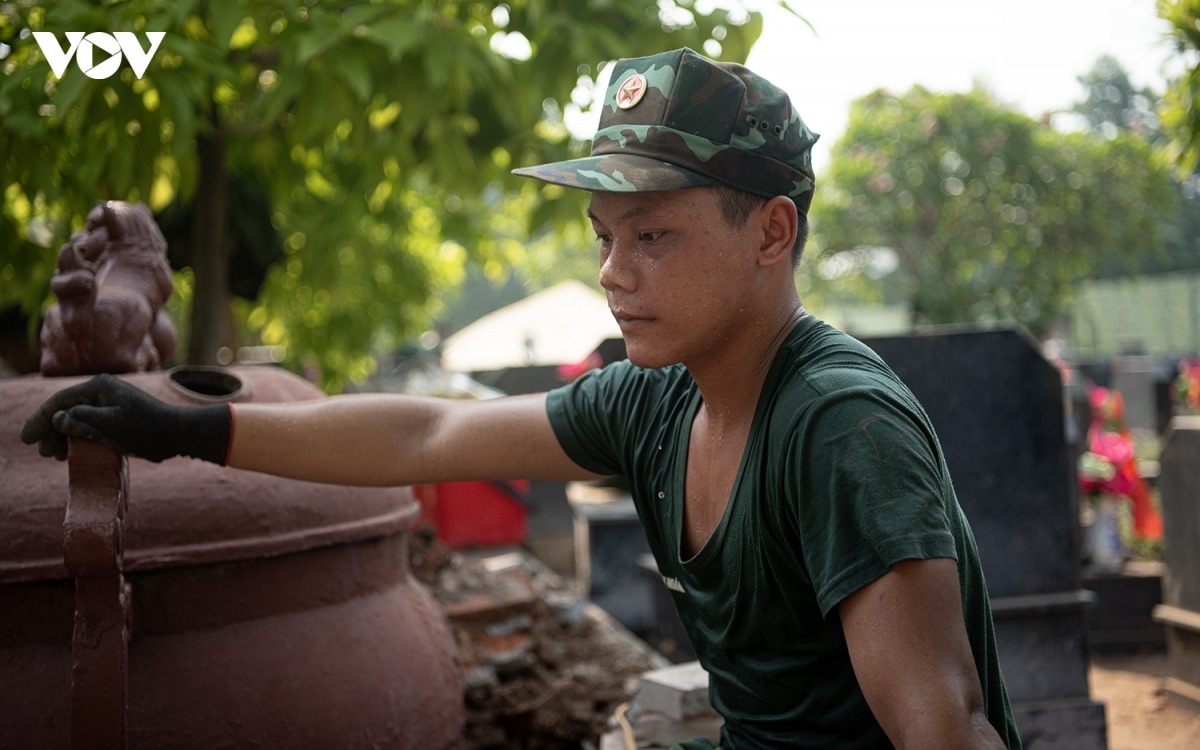
Their work day typically lasts around 10 hours. (Photo: Chung Thuy - Nguyen Ha/VOV)
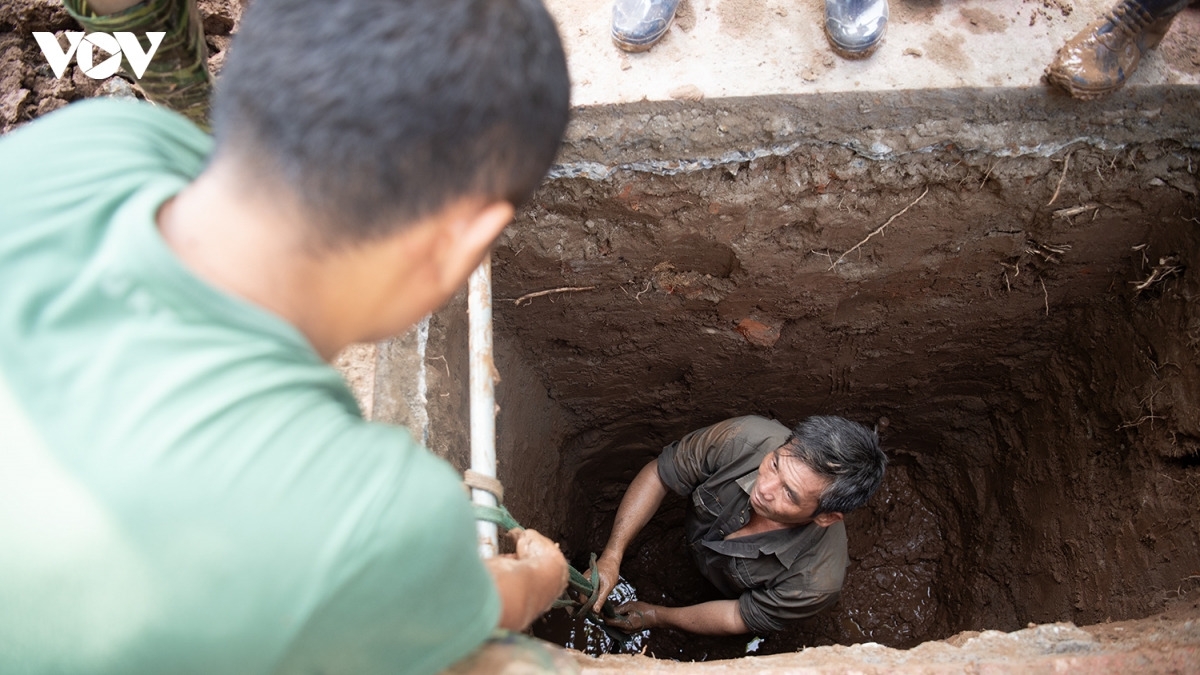
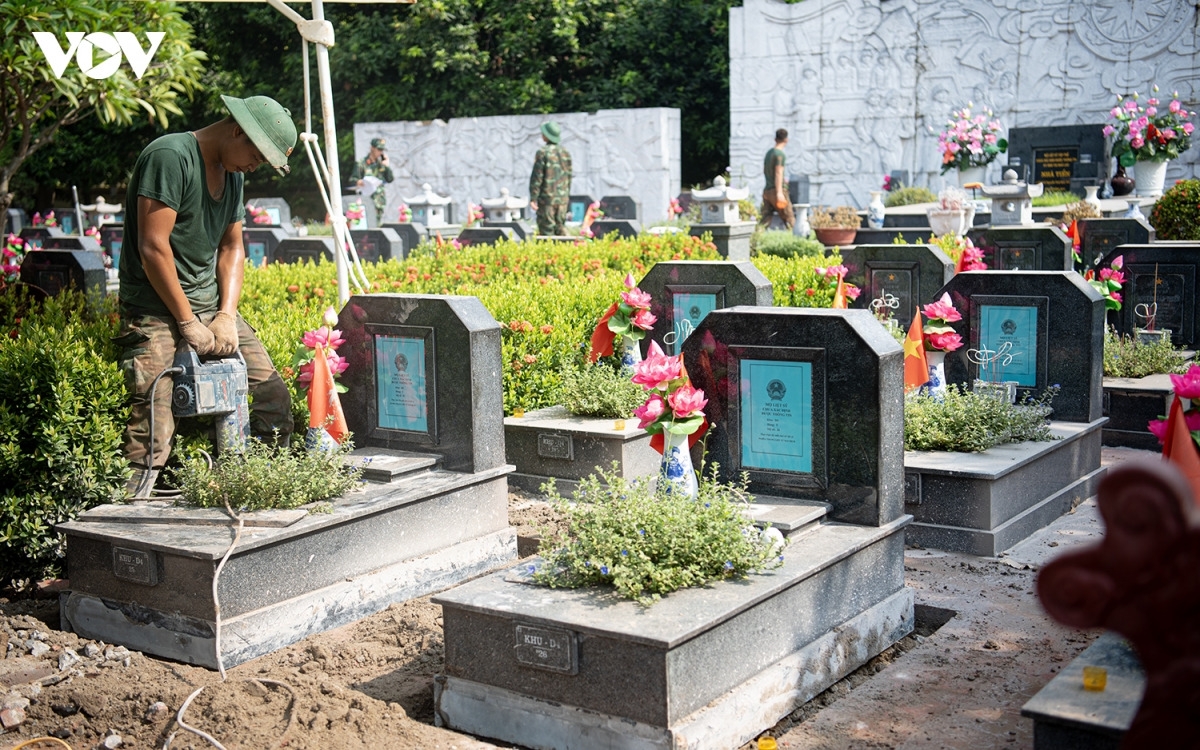
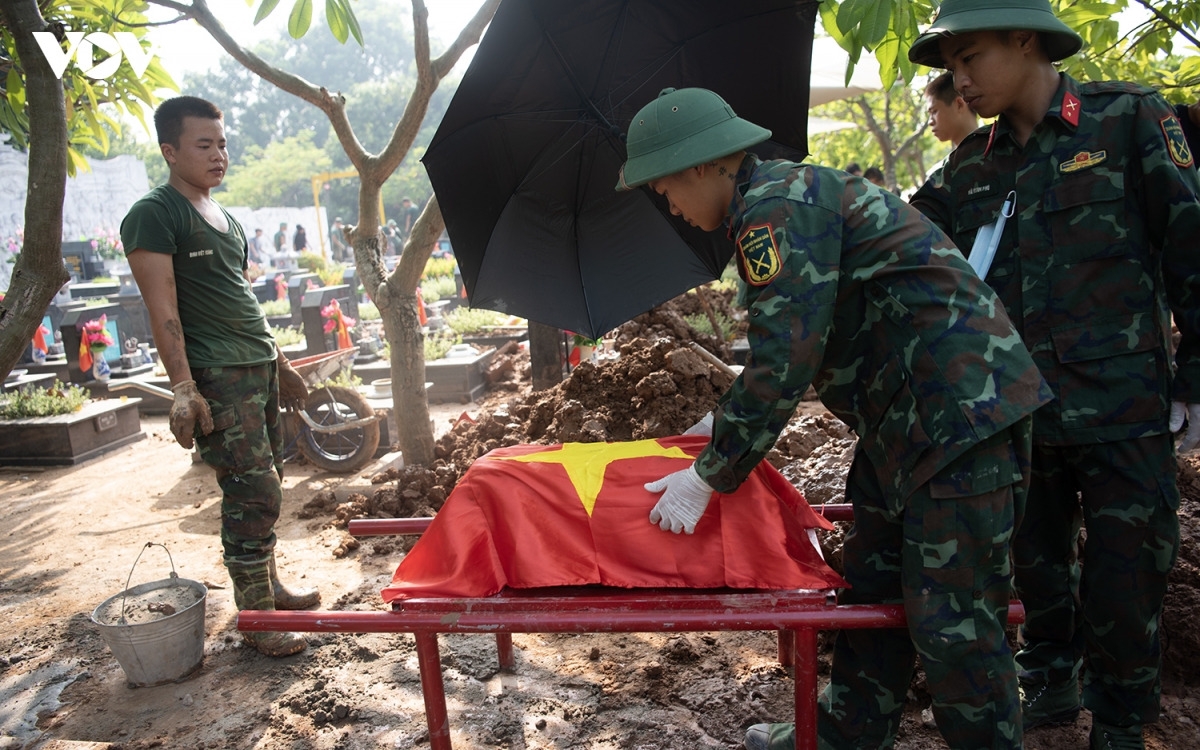
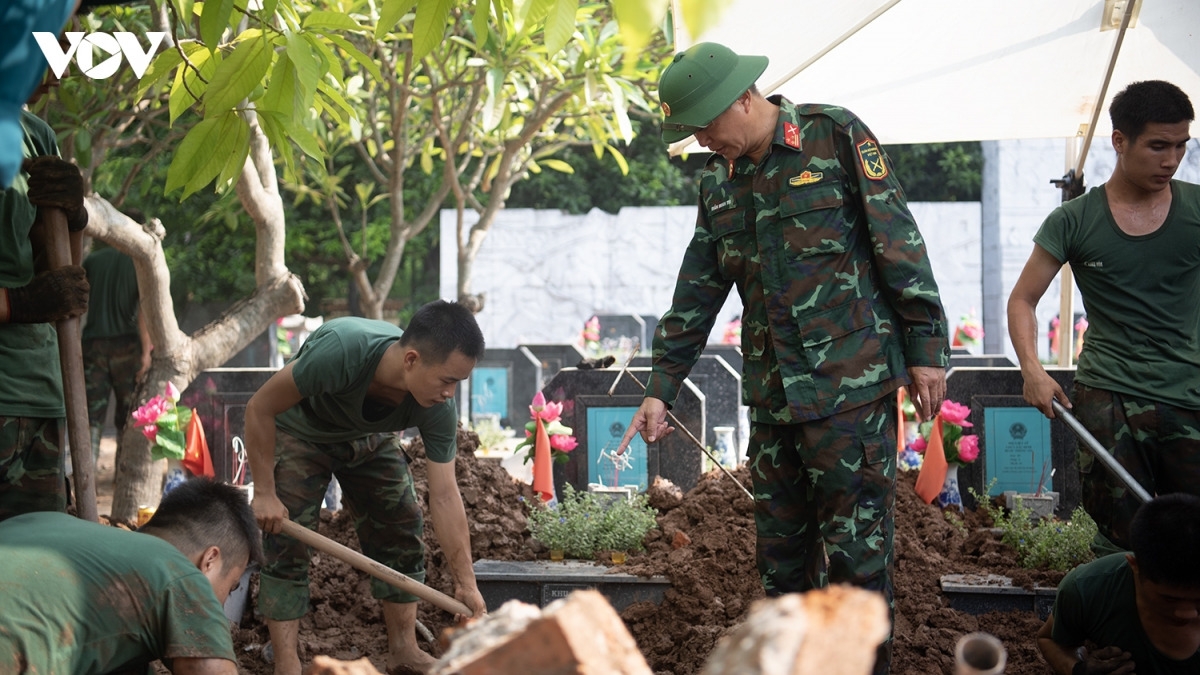
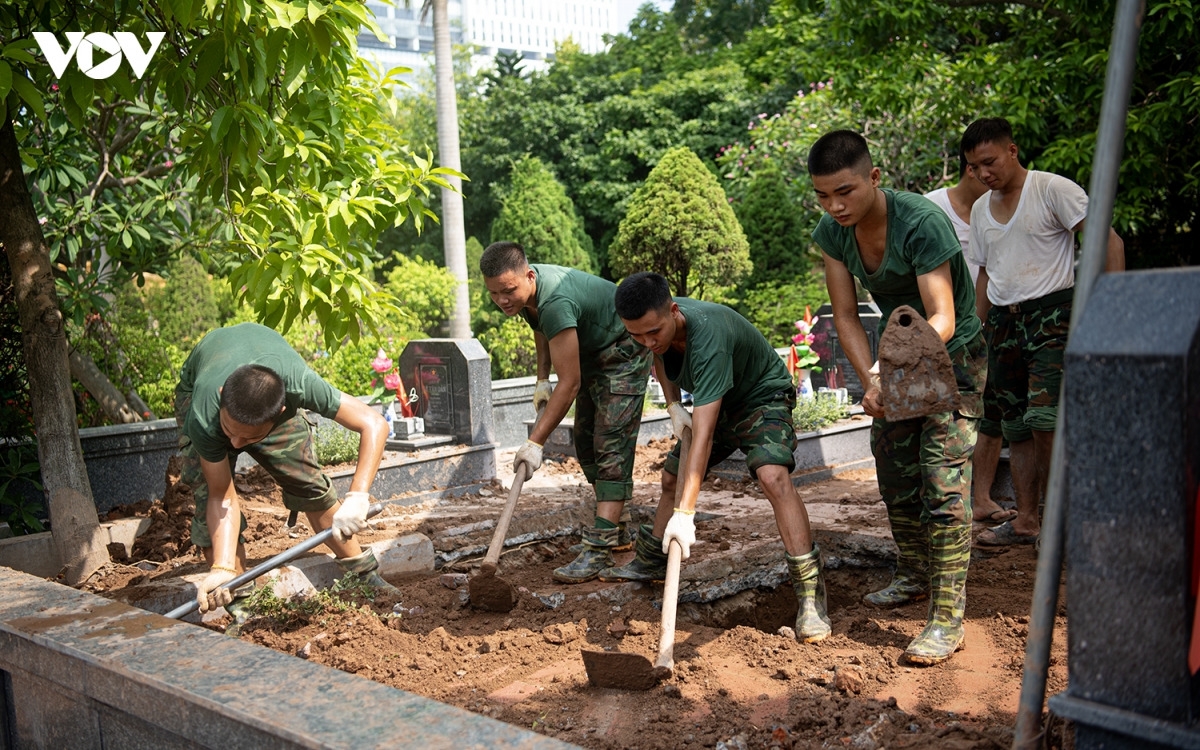
Reaching the martyrs’ remains requires great care. The team must drill through the grave covers and dig down about 2.5 to 2.8 meters. Even the slightest mistake could damage the burial urn, allowing soil and mud to seep in and complicating the collection of biological samples. (Photo: Chung Thuy - Nguyen Ha/VOV)
Most of the martyrs buried at Mai Dich Cemetery gave their lives during the resistance war against French colonial rule, and their remains have lain here for 70 to 80 years. (Photo: Chung Thuy - Nguyen Ha/VOV)
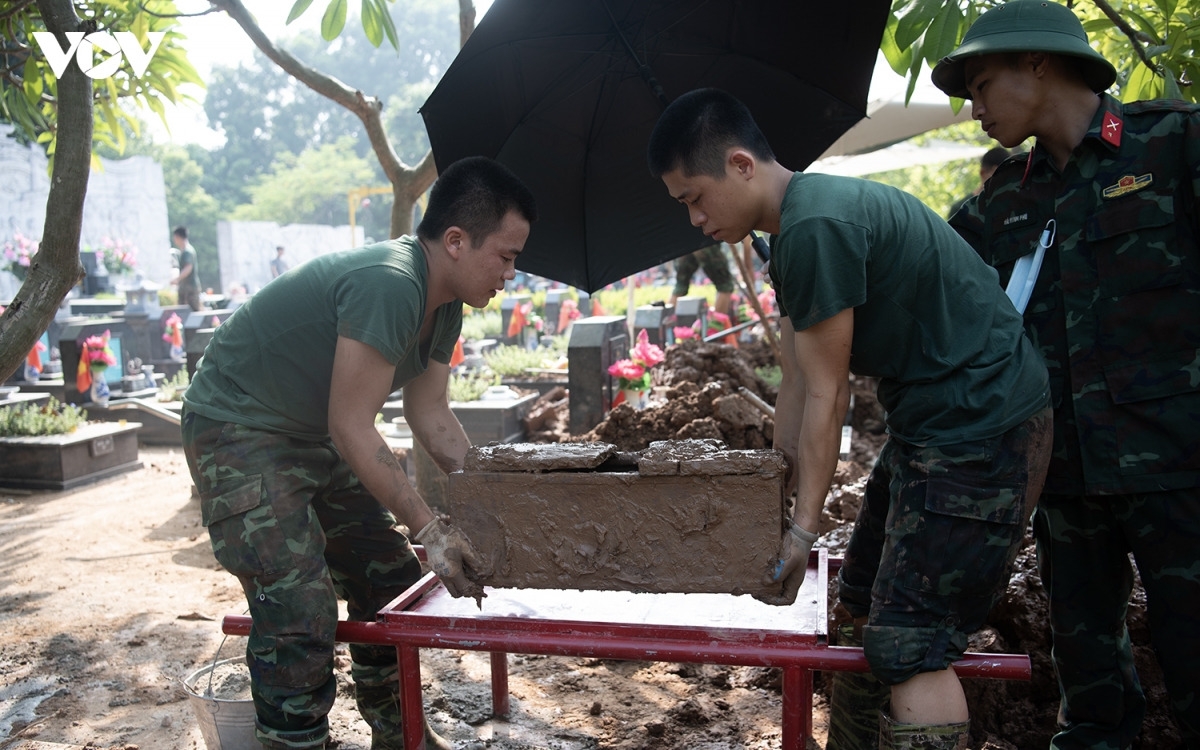
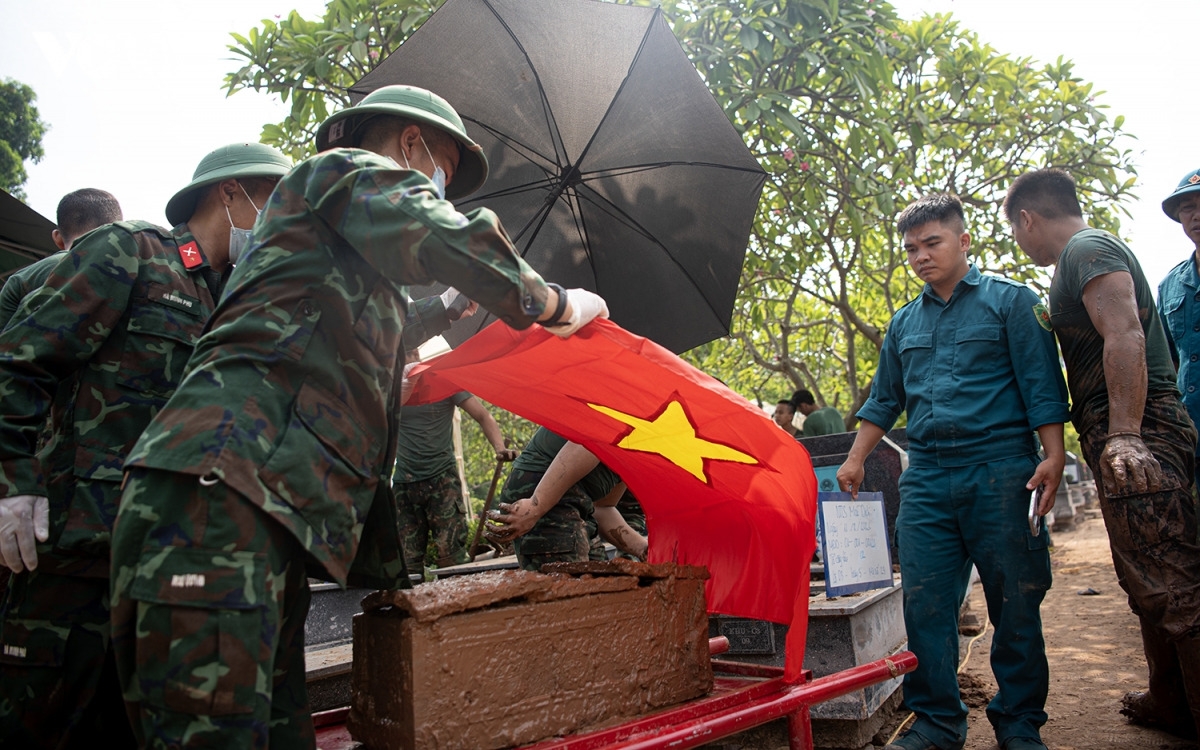
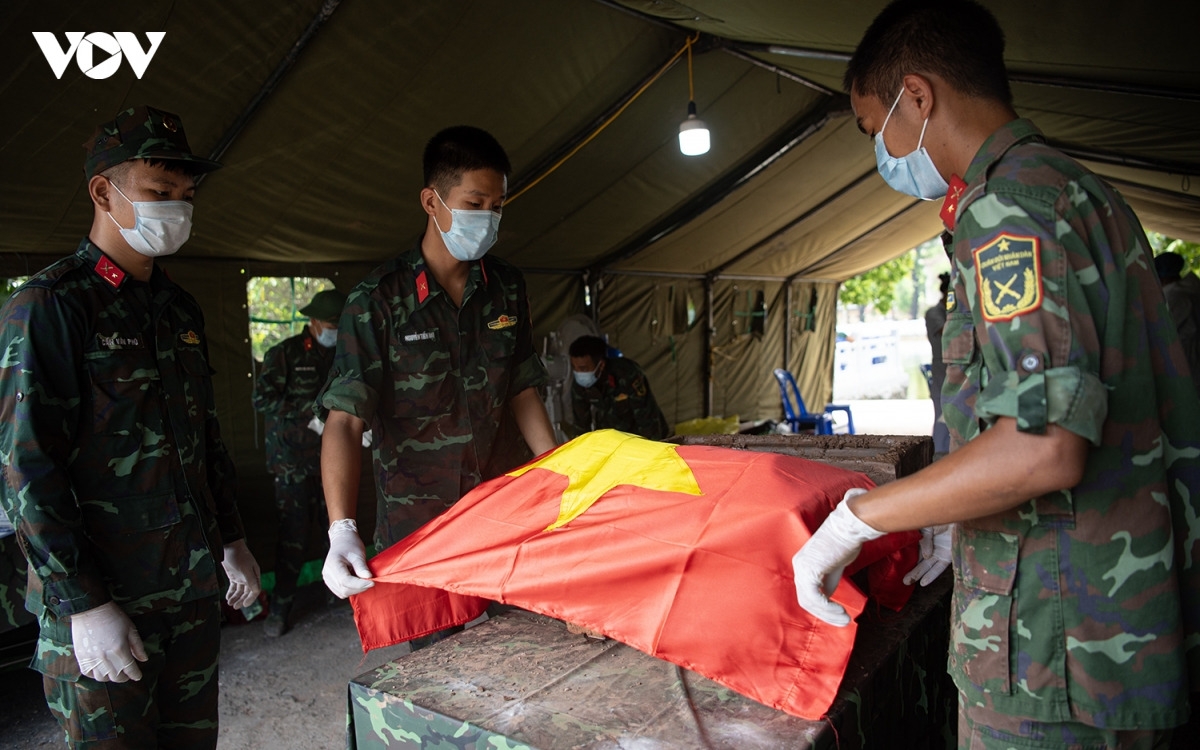
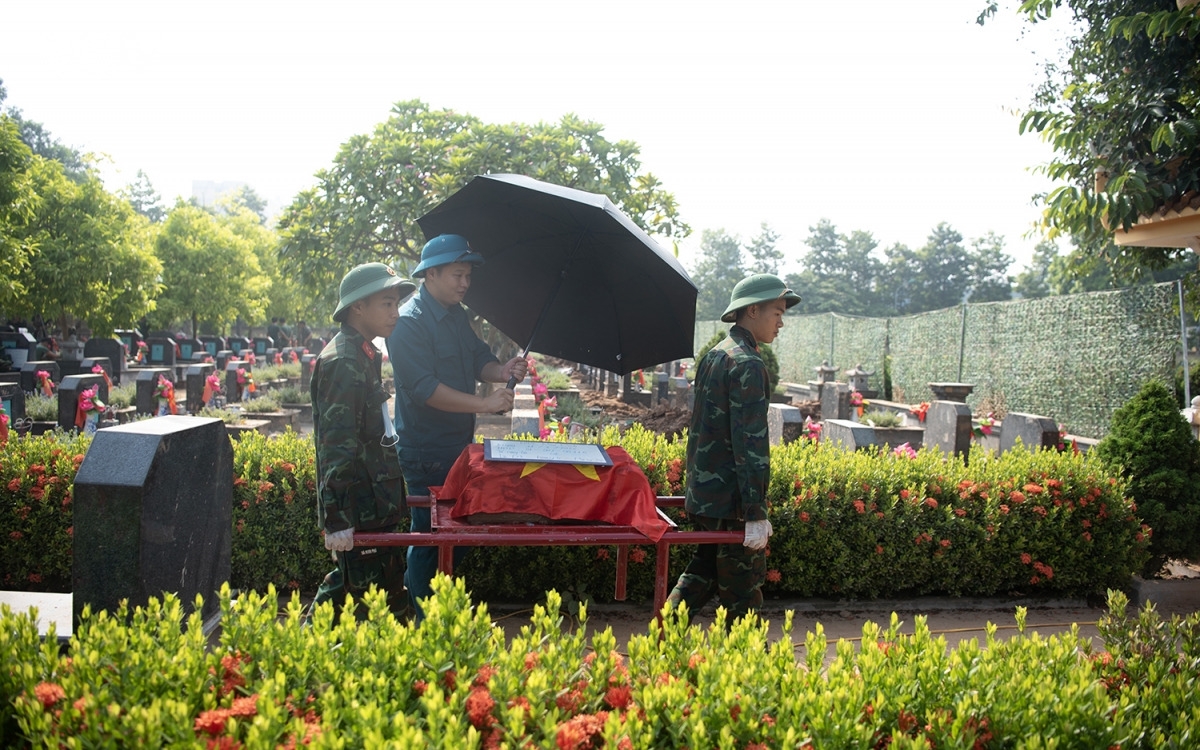
Once a burial urn is brought out of the grave, it is covered with the national flag and carefully transported to the sampling area. DNA sampling is carried out by two teams, with one team handling even-numbered graves and the other odd-numbered graves. Each team has five personnel: two collect the samples, while the other three provide support as needed, and record information about the samples. (Photo: Chung Thuy - Nguyen Ha/VOV)
(Photo: Chung Thuy - Nguyen Ha/VOV)
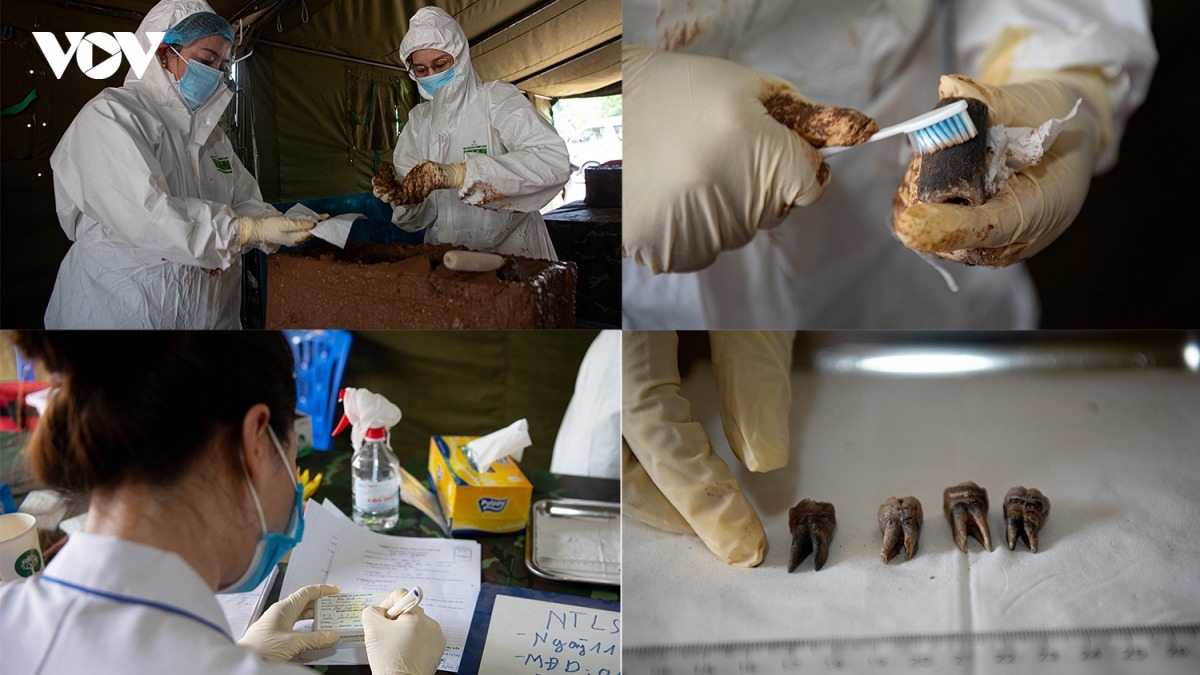
The sampling follows a strict procedure. Long bones measuring 5 to 7.5 cm are preferred for DNA testing. If the bones have deteriorated, lost their inner structure, or are no longer intact, technicians make the most of the remaining fragments. In particular, all available teeth of the fallen soldier are collected for DNA testing. (Photo: Chung Thuy - Nguyen Ha/VOV)
The samples are kept in cold storage for 72 hours before being transferred to the Vietnam Academy of Science and Technology for DNA testing to identify the martyrs. (Photo: Chung Thuy - Nguyen Ha/VOV)
Senior Lieutenant Colonel Tran Minh Tu, Deputy Political Commissar of Infantry Division 301, says the team faced many difficulties during the exhumation process. They have limited experience and are also worn out by the heat. Many graves at Ngoc Hoi and Mai Dich Cemeteries are 2.5 to 3 meters deep and have sturdy casings, making the exhumation time-consuming. The team uses a crane to lift each entire grave casing, which weighs around 600 to 700 kilograms, before carefully returning it to its original position. (Photo: Chung Thuy - Nguyen Ha/VOV)
“For us, this is both a task and a responsibility. We have immense gratitude for the heroic martyrs. We know that the peace we enjoy today is thanks to their sacrifices. Every one of us is working hard, with the utmost sense of responsibility and determination, to fulfill the task entrusted to us,” said Sen. Lt. Col. (Photo: Chung Thuy - Nguyen Ha/VOV)
To meet the October 10 deadline, they work in two shifts. One team works from 6 a.m. to 11:30 a.m., while the other works from 2 p.m. to 6:30 p.m. Together, they aim to complete work on an average of 20 graves a day. (Photo: Chung Thuy - Nguyen Ha/VOV)
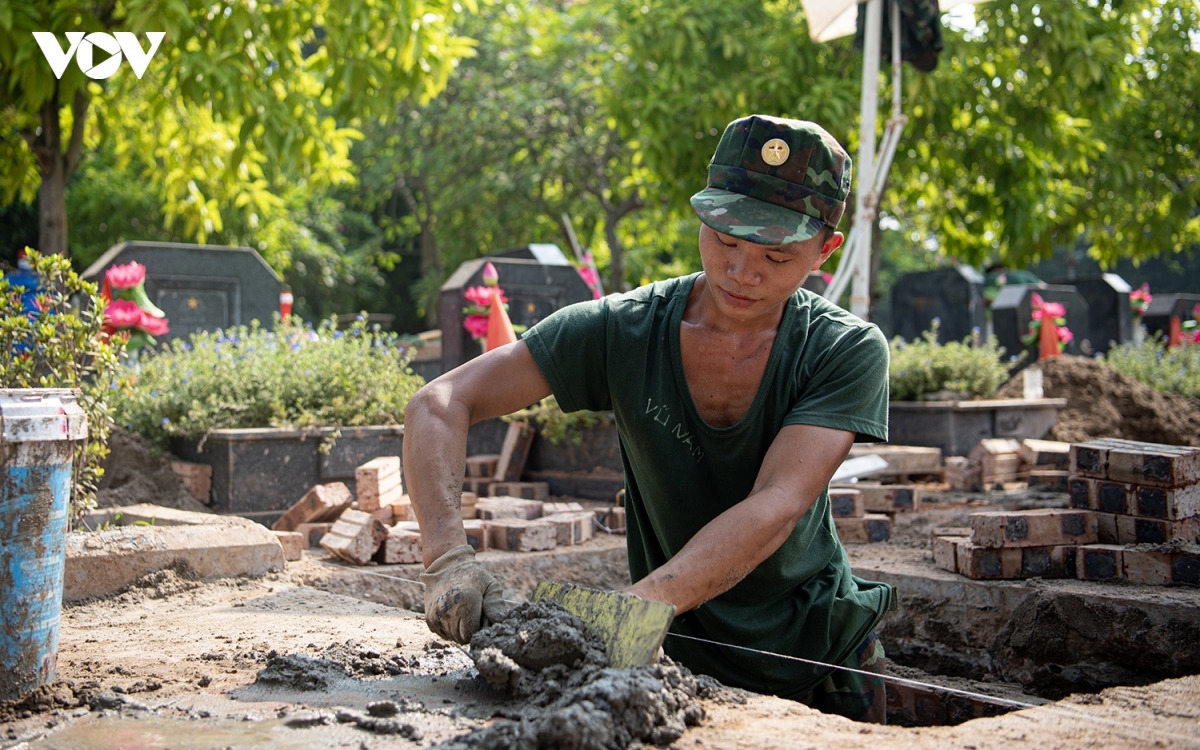
Once the graves are rebuilt, they will return the martyrs’ remains and make sure each grave is restored to exactly how it was before. This will also make it easier to identify the martyrs once the DNA test results are available. (Photo: Chung Thuy - Nguyen Ha/VOV)
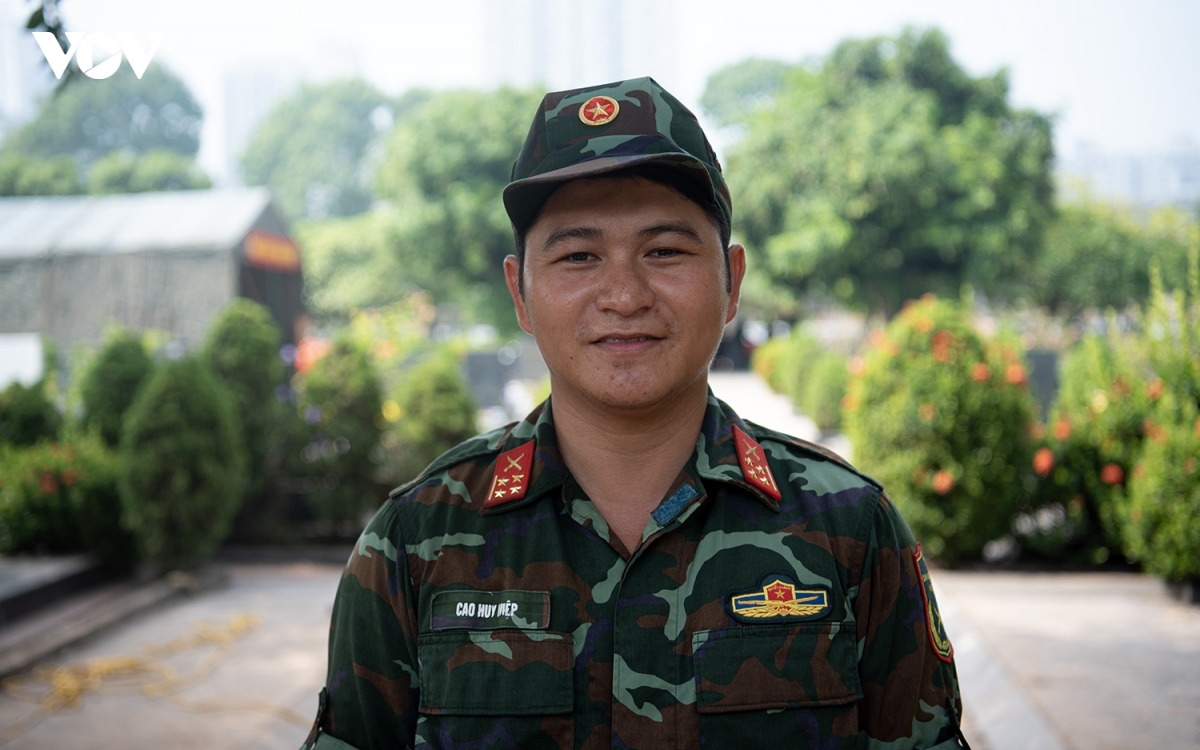
Captain Cao Duy Hiep, Deputy Commander of Infantry Battalion 5, Regiment 692, Division 301 says that the mission is both an honor and a great responsibility. It is a way for today's generation to show gratitude towards the heroes who gave their lives for the Fatherland.
(Photo: Chung Thuy - Nguyen Ha/VOV)

Hanoi has 233 cemeteries containing the graves of unidentified martyrs, three of which are managed by the city: Mai Dich, Nhon and Ngoc Hoi. Mai Dich Cemetery has the largest number of such graves. The work being carried out by the soldiers here will make an important contribution to the nationwide 500-day campaign to search for, recover and identify the remains of fallen soldiers, as well as preparations for the 80th anniversary of War Invalids and Martyrs’ Day on July 27, 2027. (Photo: Chung Thuy - Nguyen Ha/VOV)

VOVWORlD
English Vietnamese Chinese French German Indonesian Japanese Khmer Korean Lao Russian Spanish Thai
VOVWORLD
Director: Pho Cam Hoa
Deputy Director: Nguyen Thu Hoa
Deputy Director: Bui Manh Hung
Deputy Director: Cao Dinh Trung

Contact

(084) 24 38266809
(084) 38266707
45 Ba Trieu, Hanoi, Vietnam
vovworld@vov.vn

Mạng xã hội

Follow VOV World:
BÁO ĐIỆN TỬ TIẾNG NÓI VIỆT NAM
Follow VOV World:
BÁO ĐIỆN TỬ TIẾNG NÓI VIỆT NAM

Menu footer tiếng Anh

About Us
Beat The Rush
Current Affairs
Digital life
Discovery Vietnam
Letter Box
Media
News
Public Bulletin Board
Sport
Spotlight
That's life
Urban Rhythms
Vietnam rising era
Village life
Copyright © VOV5. All rights reserved. Developed and operated by SolidTech Online service permit: 2113/GP-BTTTT issued on December 6, 2011