(VOVWORLD) - The 6th World Culinary Awards has just announced the list of outstanding global culinary destinations for 2025, and Vietnam has been honored as Asia’s Best Culinary Destination. Vietnamese cuisine is a delicate fusion of flavors and colors that reflects a cultural diversity from north to south. Each region tells its own story through its signature dishes.
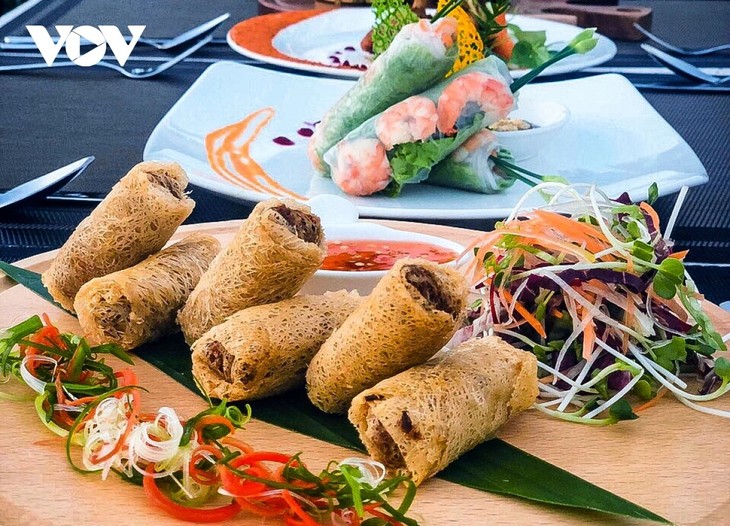 Spring rolls (Photo: VOV) Spring rolls (Photo: VOV) |
From humble everyday meals to sophisticated fine dining, Vietnamese cuisine vividly reflects the country’s culture, history, and people. Every dish is a story about the land, way of life, and harmony between humans and nature.
With fresh ingredients and balanced flavors grounded in a philosophy of harmony, Vietnamese food is increasingly appreciated by international experts, chefs, and travelers. The combination of sweet, sour, salty and spicy with natural herbs creates a distinctive taste and reflects the refined, creative spirit of the Vietnamese people.
“Vietnamese cuisine attracts both foreign and domestic foodies. A common characteristic of cuisine across all regions is that behind every dish lies a story and a culture related to the country’s values and distinctive traits. Visitors are not only eating and enjoying Vietnamese food, they are also contemplating Vietnamese culture, as seen in daily lifestyles,” culinary expert Duong Hai Anh said.
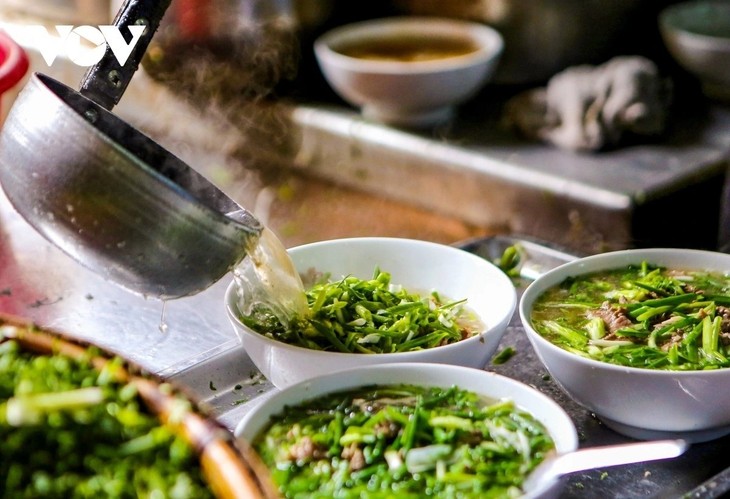 Hanoi’s pho (Photo: VOV) Hanoi’s pho (Photo: VOV) |
Vietnam is one of the world’s major rice exporters. Its ST25 rice has been named “The World’s Best Rice” three times – in 2019, 2023, and 2025. Rice plays a crucial role in Vietnamese cuisine. From rice, Vietnamese people have created countless dishes. Besides steamed rice, there are different kinds of noodle and rice cakes. Each dish has local variations that use unique ingredients and seasonings.
Tourist Kasia Klimczewska was delighted to try Vietnamese vermicelli. “There are so many textures and flavors in a bowl. It is very fresh from the lemongrass, yet when we add a lot of chilli, it is very hot and spicy. And then, there are those delicate noodles, rice noodles that balance it very nice.”
Vietnamese cuisine is extremely rich and diverse across regions with dish carrying the soul and essence of the country’s identity.
Hanoi was recently named “Asia’s Best Emerging Culinary City Destination.” Its food is diverse and appealing and each dish tells a story.
Egg coffee is a unique drink that has gained worldwide fame.
The former imperial capital Hue is known as the “culinary capital” of central Vietnam, with dishes such as bun bo Hue (Hue beef noodle soup), com hen (baby clam rice), and specialty cakes like banh beo, banh loc, and banh ram it.
In Ho Chi Minh City, visitors can enjoy delicious loaves of bread filled with meat, fragrant herbs, scallions, and a variety of sauces.
“Vietnamese cuisine has many different approaches that make our lives richer, with more choices. Sometimes it’s seasonal and regional, using local ingredients. That’s the diversity and development of rice-based cuisine,” said culinary expert Nguyen Thuong Quan.
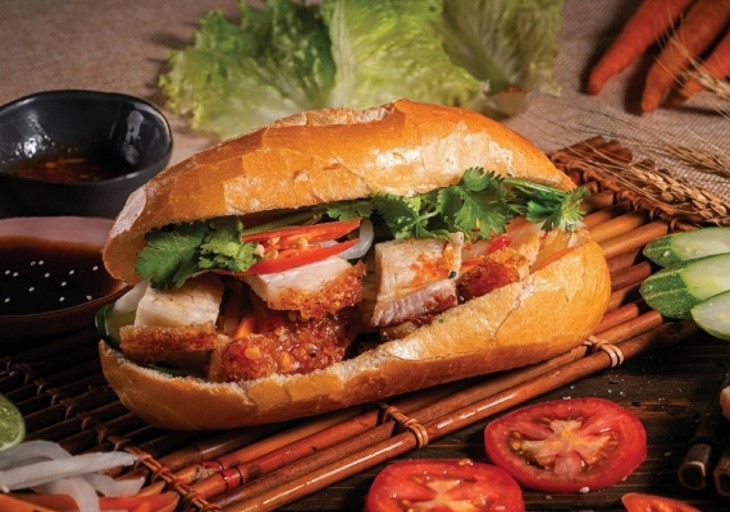 Banh mi (Photo: VOV) Banh mi (Photo: VOV) |
Vietnam’s street food makes a strong impression. Street vendors, markets, and food alleys attract visitors with rustic, down-to-earth dishes that embody the simplicity and sincerity of Vietnamese people.
“Most people selling street food have been cooking and selling that dish for years. We talk about ‘family heirloom recipes.’ They focus on that one dish. It’s a matter of mastery achieved over a lifetime, sometimes over several generations. They’ve been making it, refining it, and drawing on experience to perfect that dish. They know exactly what to do so that the food achieves its best flavor, its best color, and its best texture before it reaches the diner,”culinary expert Duong Hai Anh said.
Vietnamese cuisine has become a cultural bridge, helping to spread the image of a culturally rich and creative nation.