(VOVWORLD) - Vietnam is in the population aging stage, with the elderly population increasing from 9.5 million in 2014 to 16.5 million people in 2025; and will have an “aged population” by 2036, said the Ministry of Health in a meeting of the National Committee for the Elderly on Friday in Hanoi.
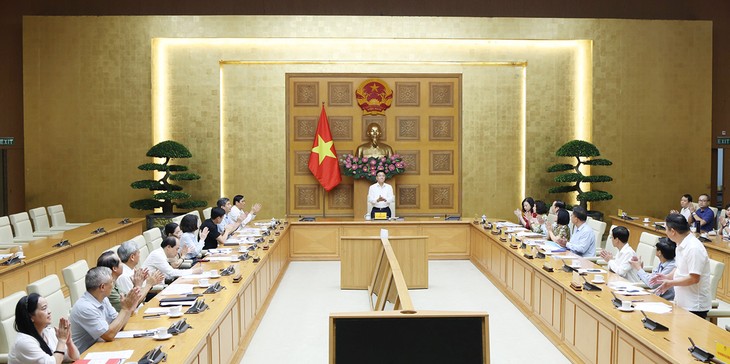 Deputy Prime Minister Le Thanh Long chairs a meeting to discuss key tasks for elderly care, Hanoi, October 17, 2025. (Photo: Duc Tuan/VGP) Deputy Prime Minister Le Thanh Long chairs a meeting to discuss key tasks for elderly care, Hanoi, October 17, 2025. (Photo: Duc Tuan/VGP) |
The meeting, chaired by Deputy Prime Minister Le Thanh Long, discussed key tasks and solutions for elderly care in the coming period. Mr. Long urged ministries, sectors, and localities to effectively implement the National Strategy on Older Persons, mobilize social resources, and develop a “silver economy.”
He stressed the need to expand community-based care services, build more long-term care centers and nursing homes, and promote digital transformation and climate adaptation in elderly care initiatives.
According to the Health Ministry, many important policies on welfare, healthcare, culture, sports, transportation, and mental health for the elderly have been implemented.
They include the Politburo’s Resolution 72 on protecting, caring for, and improving people's health; the National Strategy on Older Persons until 2035, with a vision to 2045; Inter-generational Self-Help Clubs (ISHCs); as well as a number of digital transformation and green transition initiatives.
As of July 2025, people aged 75 and above are eligible for retirement benefits, which is 5 years earlier than before.
"80% of our elderly population have their health records on file. 69% receive regular check-ups. More than 100 hospitals nationwide have geriatric departments. We have tens of thousands of hospital beds, medical staff, volunteers, and clubs ready to serve the elderly,” said Deputy Health Minister Nguyen Thi Lien Huong.
Older persons in Vietnam are eligible for discounted and even free tickets for sightseeing, movie theaters, as well as cultural and sports activities, she added.