(VOVWORLD) - The "electrification" of tech-based vehicles is the strategic path chosen by Ho Chi Minh City, Vietnam's most populous city. This shift is driven by the environmental imperative and the desire to project an image of a modern, civilized Vietnam ready to compete in the global green race.
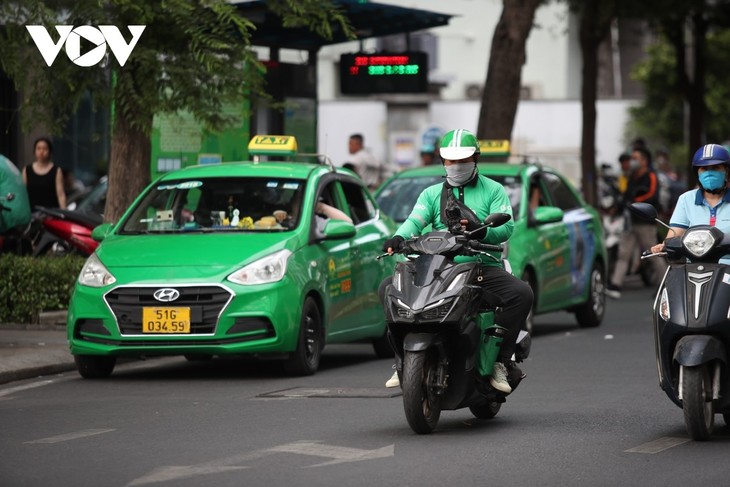 HCM City turns to electrifying tech-based vehicles to drive its urban green shift. HCM City turns to electrifying tech-based vehicles to drive its urban green shift. |
Motorbikes remain the most efficient mode of transport in Vietnam. Ho Chi Minh City currently has 11.3 million registered motorbikes, with an estimated 400,000 of them operating in tech-based transport services. Electrifying these services by using electric motorbikes is a critical step in maximizing environmental protection.
According to a roadmap recently issued by the municipal administration, HCMC is committed to a comprehensive transition of transportation to electric or other clean energy by 2030. By 2027, at least 50% of local motorbikes must be electric. By 2030, all new registered vehicles must be electric. By 2027, electric motorbikes must account for at least 50% of all motorbikes. By 2030, all newly registered motorbikes must be electric.
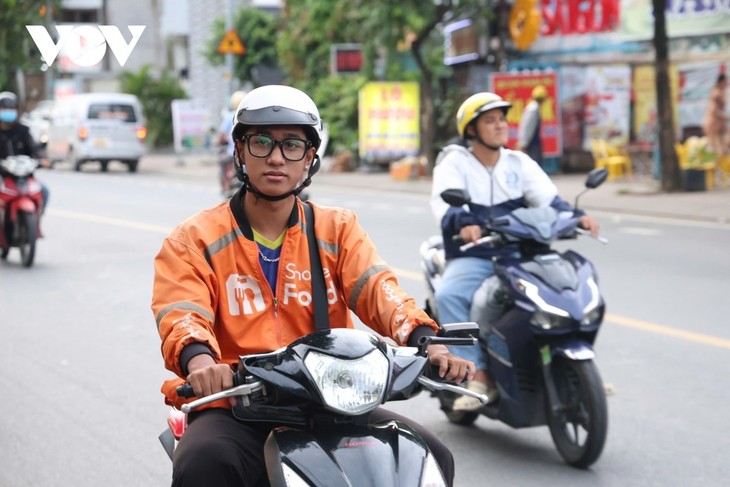 400,000 motorbikes are operating in tech-based transport services in Ho Chi Minh City. 400,000 motorbikes are operating in tech-based transport services in Ho Chi Minh City. |
In 2025, tens of thousands of tech-based motorbike deliverymen have already voluntarily switched to electric vehicles, with the number increasing monthly. This is the group that most tangibly benefits from this conversion.
Le Gia Bao, a driver for a tech-based transport firm in HCMC, said, "Electrification gives me less engine noise and the temperature seems lower. The policy that facilitates the purchase of electric vehicles has been a huge support for drivers like me. Xanh SM drivers say that driving 200 kilometers per day only uses about 30 US cents worth of electricity."
Nguyen Long, a ride-hailing driver for Xanh SM in HCMC, pointed out the convenience of electric vehicles. "We can easily manage the charging of electric vehicles. Charging stations are now everywhere, making electric travel very convenient. Depending on the brand, an electric vehicle needs to be recharged about every 100 kilometers.”
This transition promises a significant reduction in carbon dioxide and fine dust emissions, two pollutants that frequently push HCMC's air quality to alarming levels. Electric vehicles are quieter and cleaner.
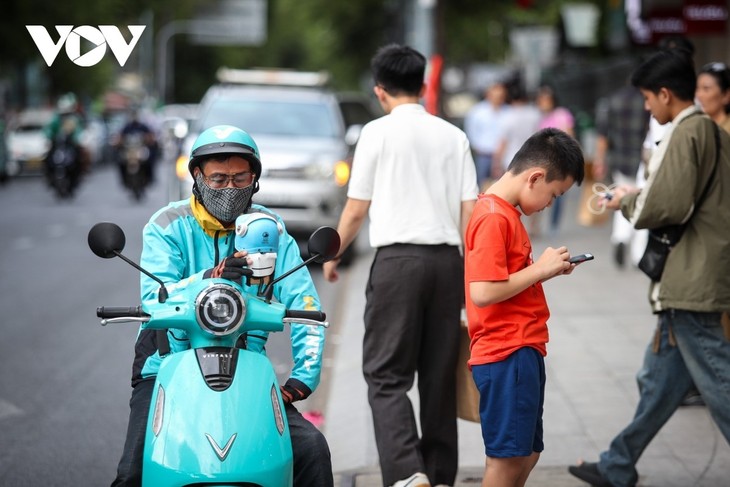 In 2025, tens of thousands of ride-hailing drivers voluntarily switch to electric motorbikes. In 2025, tens of thousands of ride-hailing drivers voluntarily switch to electric motorbikes. |
While it’s an inevitable global trend, transitioning hundreds of thousands of gasoline-powered vehicles requires sensible steps that balance the interests of all stakeholders.
Le Thanh Hai, Director of the Center for Economic Application Consultation at the HCMC Institute for Development Studies, proposed several solutions.
"We recommend that the government waive the registration fee for new tech-based vehicles for two years, and allow a two-year VAT exemption for drivers. We should also waive VAT on the added value of each order for app-based electric vehicle drivers, as an incentive for them to switch," said Hai.
HCMC is collaborating with credit institutions to secure loans for tech-based drivers to buy electric vehicles at low or near-zero interest rates. This is crucial to ensuring a sustainable transition without imposing undue financial pressure on drivers. The electrification of tech-based vehicles is a revolution in urban management, a shift in development philosophy, and a bold statement about how Vietnam intends to position itself globally.
HCMC is being transformed. The roar of petrol engines is gradually being replaced by the quiet hum of electric motors. The city is consciously choosing the path of green transportation. Every driver who switches reduces their own operating cost while contributing to reducing the city’s smog.
The electrification of tech-based vehicles will demonstrate to the world that Vietnam is entering the green era, and HCMC is leading the transition.