(VOVWORLD) - Vietnamese war films have recently gained momentum with fresh, multi-dimensional perspectives that engage audiences through both artistic depth and entertainment value, reigniting widespread interest.
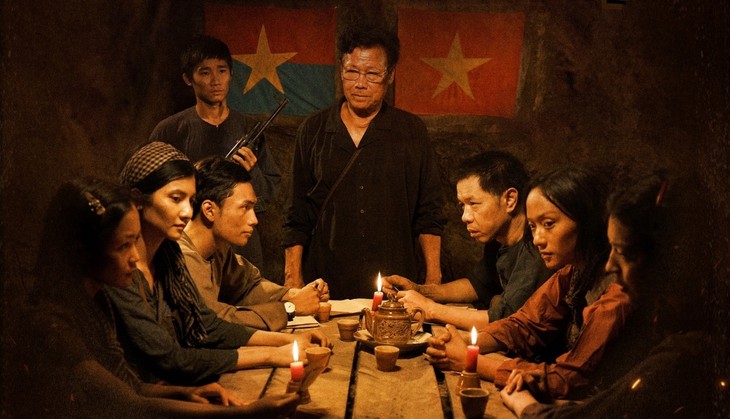 A scene from the film “Tunnel: The Sun in the Dark” A scene from the film “Tunnel: The Sun in the Dark” |
“Tunnel: The Sun in the Dark”, directed by Bui Thac Chuyen, quickly topped the box office upon its release in April. The film delivers a vivid, realistic depiction of the lives and intense battles of previous generations during the war years—which resonates particularly with younger audiences.
"This is a film well worth watching. Its 120 minutes left a lasting impression on me. I could feel the stifling atmosphere of the tunnels and the unwavering resilience of those who lived there, as if I were living it myself. That’s the film’s success. It delivers powerful realism through both visuals and emotion, while also awakening a strong sense of patriotism in all of us," said actress Thu Quynh.
“Tunnel: The Sun in the Dark”, set in 1967, follows a Cu Chi guerrilla team as they defend a strategic intelligence unit from relentless US military pursuit.
The film succeeds thanks to its meticulous storytelling and skillful blend of setting, sounds, and lighting, evoking a documentary-like realism.
Director Bui Thac Chuyen captures the gunpowder-laced intensity of the Cu Chi tunnels while movingly portraying the everyday lives of the soldiers surviving below the ground.
 Director Bui Thac Chuyen (Photo: VOV) Director Bui Thac Chuyen (Photo: VOV) |
“I talked to former guerrillas who once lived in the Cu Chi tunnels, and their stories captivated me. Through their accounts, I discovered a war unlike any other, fought by ordinary farmers against the world’s most powerful military over decades. It’s the story of a small nation that could not be defeated, no matter the strength of its enemy. In the film, these fighters may appear ordinary, but they embody something truly extraordinary. I spent two years writing the script, and even then, what appears on screen is only a small glimpse of the incredible stories I was told,” said Chuyen.
Last year, the film “Peach Blossom, Pho and Piano” by director Phi Tien Son unexpectedly excited the box office. Despite being funded by the State, with no commercial intent or promotional budget, the film became a breakout success, especially among younger viewers.
Offering a fresh perspective on the revolutionary war, it strikingly captures the heroic yet romantic spirit of Hanoi's people during the 60-day resistance against the French colonialists from December 19, 1946 to February 17, 1947. With its well-crafted script, authentic setting, and compelling acting, the film stood out for its artistic excellence.
 The movie “Peach Blossom, Pho and Piano” recreates Hanoi’s Old Quarter in 1946–1947. The movie “Peach Blossom, Pho and Piano” recreates Hanoi’s Old Quarter in 1946–1947. |
The success of “Tunnel: The Sun in the Dark,” and “Peach Blossom, Pho and Piano” signals a significant turning point for historical and revolutionary war movies. Their widespread appeal proves that history remains a topic of strong public interest.
"It’s important that war films are gaining wide reach and being warmly received by the public. I believe it is a pivotal moment to re-evaluate the genre. First, these films align with today’s audiences. Second, media buzz is driving people to theaters, which signals that war films clearly have commercial potential. I believe this theme will never go out of style and will pave the way for even more compelling movies in the future," director Dao Thanh Hung said.
Throughout the history of Vietnamese cinema, war films like “Chung mot dong song (On the same river)”, “Vi tuyen 17 ngay và đem (17th Parallel, Days and Nights)”, and “Em be Ha Noi (The Little Girl of Hanoi)” have become timeless classics. More recent works like “Dung dot (Don’t Burn)”, “Mui co chay (The Scent of Burning Grass)”, and “Nguoi tro ve (The Returner)” have earned praise for their artistic and entertainment value.