(VOVWORLD) - For the Tay and Nung ethnic communities in Thai Nguyen province, Then singing embodies collective memory and spiritual life, and links past and present. In 2019, it was inscribed by UNESCO as a Representative Intangible Cultural Heritage of Humanity, a recognition that has strengthened efforts to preserve, promote, and pass on this unique musical tradition.
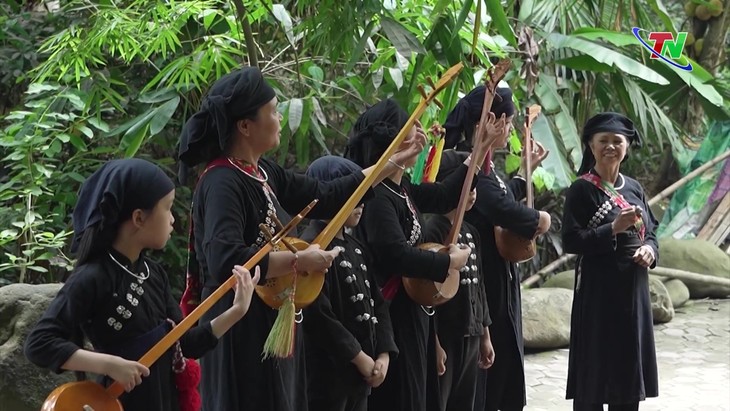 Then singing accompanied by the Tinh musical instrument is a distinctive cultural feature of the Tay and Nung ethnic communities in Thai Nguyen. (Photo: Thai Nguyen TV) Then singing accompanied by the Tinh musical instrument is a distinctive cultural feature of the Tay and Nung ethnic communities in Thai Nguyen. (Photo: Thai Nguyen TV) |
Cho Don commune has emerged as a bright spot in efforts to preserve Then melodies in Thai Nguyen province, thanks to the establishment of numerous clubs dedicated to safeguarding this art form.
“We’ve developed very distinctive folk performance programs, aiming to promote and pass on our ethnic group’s traditional folk melodies so more people will know them and join hands to preserve them,” said Vu Thi Luong, head of the ‘Homeland’s Tinh Musical Instrument Club’ with 30 members.
Then is also being spread in school classrooms. In a Then singing class taught by Tay ethnic man Van Tien Khoi in Cho Don commune, children carefully follow each musical note and lyric. Enthusiastic and eager to learn, they have, in a short time, memorized both ancient and new Then songs.
“I really like this class. The teacher shows me each musical note. I want to preserve my ethnic group’s cultural traditions,” said one student.
Another added, “At first I found it difficult, but gradually it became easier and I learned faster and faster. In the future, I’ll try to pass it on to later generations to maintain our ethnic culture.”
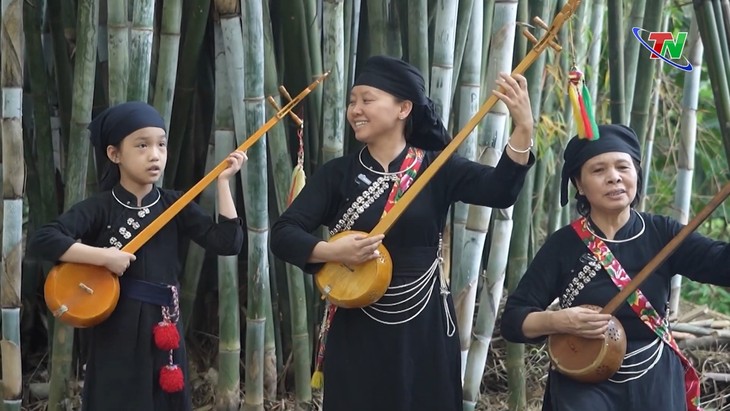 In Thai Hai village, many children start singing Then and playing the Tinh at the age of 5. (Photo: Thai Nguyen TV) In Thai Hai village, many children start singing Then and playing the Tinh at the age of 5. (Photo: Thai Nguyen TV) |
Then singing and the Tinh musical instrument are distinctive cultural features of Thai Hai cultural village in Tan Cuong commune.
In this village, many children start singing Then and playing the Tinh at the age of 5.
“The children are dedicated to preserving their ethnic culture. From a young age, they hear their parents singing Then while welcoming guests or at family gatherings. As they grow older, they’re taught by their grandmothers and mothers,” said local resident Le Thi Hang.
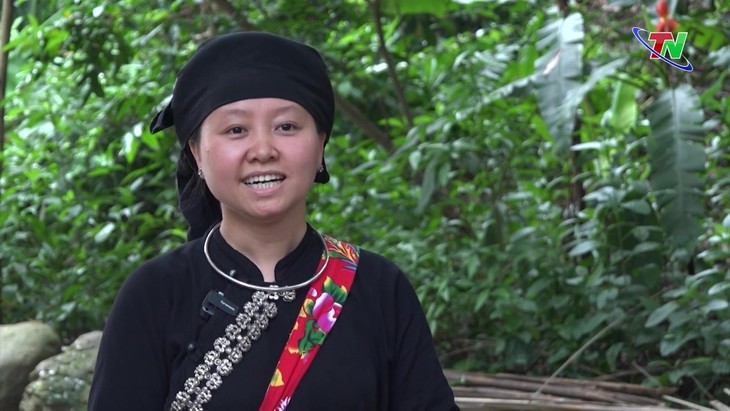 Le Thi Hang, a resident of Thai Hai Village (Photo: Thai Nguyen TV) Le Thi Hang, a resident of Thai Hai Village (Photo: Thai Nguyen TV) |
In front of ancient stilt houses shaded by trees, children gather around elderly artisans, listening intently as they play the Tinh. Then melodies with a Tinh accompaniment have become an integral part of villagers’ memories.
“The village has 30 to 40 children, all of whom can play the Tinh and sing Then. I learned from the previous generation, and now I’m passing it on to the children to preserve our Then singing tradition. Teaching takes place whenever we have free time. So far, the tradition has been handed down through three generations,” Ma Thi Dang of Thai Hai said.
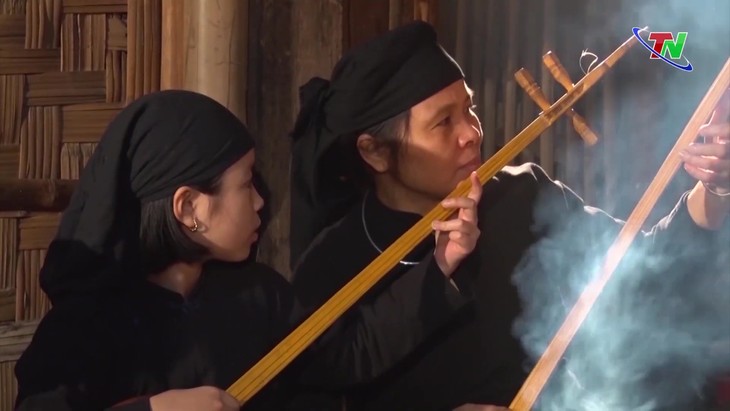 Ma Thi Dang teaches young children how to play the Tinh musical instrument. (Photo: Thai Nguyen TV) Ma Thi Dang teaches young children how to play the Tinh musical instrument. (Photo: Thai Nguyen TV) |
Visitors who come to photograph the picturesque village, also enjoy listening to the Then melodies echoing between the stilt houses.
“Before coming here, I had heard about Then singing and really looked forward to listening to it, as it is the most famous cultural feature of this area. Watching the locals perform, I found the melodies very gentle and beautifully in harmony with the surrounding scenery,” Dao Thi Lan, a tourist from Hanoi, said.
Then and Tinh are thriving today, thanks to a sense of pride, a deep love for cultural heritage, and strong community bonds passed down from one generation to the next.