(VOVWORLD) - As temperatures swing unpredictably between warm and cool, many people feel more tired and vulnerable to seasonal illnesses. In this episode of Doctor at Home, we welcome nutritionist Alice Nguyen from Evolve Clinic in Ho Chi Minh City. With over eight years of experience working with both active individuals and elite athletes, including international golfers and championship-winning footballers, Alice brings a strong blend of research and practical expertise. She explains how sudden weather changes affect immunity and shares simple, evidence-based nutrition habits to help you stay healthy and energized during the seasonal transition.
Reporter: Alice, welcome to “Doctor at Home”! Please introduce yourself to our listeners?
Alice: Thank you for having me. I’m Alice Nguyen, MSc. in Sports Nutrition. I graduated with a BS from medical university and completed my MSc at Liverpool John Moores University. I specialize in performance nutrition, meaning I help people improve their health, energy, and body composition through personalized nutrition.
Reporter: The weather has been quite unpredictable lately – hot one day, the next suddenly cool. How do such changes affect one’s body and overall health?
Alice: Rapid temperature shifts trigger stress responses in the body. When the environment changes quickly, the body needs to constantly adjust its thermoregulation, circulation, and hormonal balance. This can lead to lower innate immunity because more energy is spent on maintaining body temperature; changes in airway sensitivity, making the respiratory system more reactive; and mild dehydration, because cooler weather reduces thirst signals, while humidity changes increase fluid loss. All of those mechanisms increase susceptibility to fatigue and infection.
Reporter: Many people say they feel tired or easily catch a cold during this period. Why does that happen, and what role does nutrition play in keeping our body strong?
Alice: During this season, immunity often weakens due to reduced mucosal immunity. You can see that dry air affects the mucous membranes in the nose and throat, weakening their ability to trap viruses. A second reason could be a higher inflammatory load. The immune system becomes more taxed adapting to environmental stress. Nutrition supports immunity by providing the substrates needed for immune cell turnover. For example, protein supplies amino acids for antibody production; antioxidants (vitamins C and E and polyphenols) reduce oxidative stress caused by environmental change; and omega-3s regulate inflammatory pathways through eicosanoid balance.
Reporter: What types of food should we focus on to boost our immune system and stay healthy during the change of seasons?
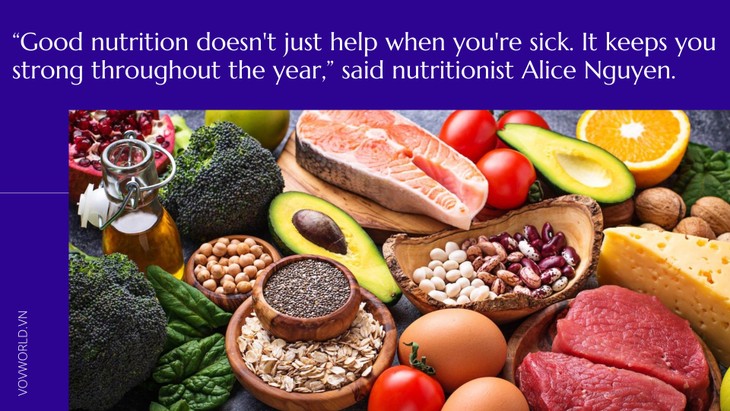
Alice: There are some nutrients and some types of food we can increase in order to improve our immunity. First of all, proteins. Proteins can help with antibody production and immune cell repair. Proteins can be found in most animal products – pork, beef, eggs, chicken, and milk. That's the most popular protein source. Next, vitamin C. Vitamin C can boost white blood cell activity and can support immunity, as well. You can find vitamin C in citrus fruits or berries. Vitamin A can keep your respiratory and gut lining healthy so you can fight off bacteria and viruses much better. In the winter, when we don't get much sunshine, we can lack the vitamin D we need to regulate immune signaling in our body. Not many foods contain vitamin D, so you may need to get vitamin D through supplements. Omega-3, which is a fatty acid, reduces inflammation. Probiotics and fiber support gut health, which controls your immune system. And, of course, hydration is key because lymph—the fluid that carries immune cells—needs water to circulate effectively.
 |
Reporter: What are some simple examples of a balanced breakfast or lunch that would be good for this time of year?
Alice: Usually I’d suggest something very simple and easy to get. For example, for breakfast, I’d do something like oatmeal with yogurt, fruit, and some nuts – maybe a mixture of walnuts and chia seeds. This combination includes probiotics, antioxidants, some slow carbohydrates that release energy slowly, and some omega-3s. That can help you with anti-inflammation and boosting your immunity. For lunch, I’d go with the same concept. A simple meal like rice with grilled fish and some vegetables will contain proteins, carbohydrates, vitamins, and fiber. If you like noodles, I suggest you try chicken Pho with herbs. That contains fiber, as well. If you’re vegetarian, have some tofu – maybe some tofu stir-fry with beans or tomatoes and some greens. Those meals, which are rich in proteins, micronutrients, and fiber, can help to stabilize your immunity.
Reporter: Some people rely on vitamins and other dietary supplements instead of eating fruits and vegetables. Can supplements replace real food?
Alice: Supplements can be very helpful, but they can’t fully replace real food. Real food contains fiber and polyphenols that supplements don’t offer. Those compounds work together to support immunity and reduce inflammation. Sometimes we don't consume enough nutrients, though, so supplements can help with that. Let's say, for example, we don’t get much vitamin D from our food. We usually get more from sunshine – but not in the winter, of course, so vitamin D can be a good supplement. Another example is omega-3. We can get omega-3 from salmon and walnuts, but since we might not eat those every day, it's okay to get some omega-3 from supplements.
Reporter: What daily habits can help people who have a busy lifestyle and little time to prepare meals maintain healthy nutrition?
Alice: I have a few tips for busy people who don't have much time to prepare food – tips that can make a big difference in terms of nutrient intake. First, include protein in every meal. You need some protein with every meal, so breakfast, lunch, dinner – every time you eat some food – include a portion of protein. Second, aim for more fruits and vegetables each day so you can boost your fiber and vitamin intake. Third, prepare grab-and-go snacks like yogurt, nuts, or boiled eggs that you can bring with you wherever you go. Four, stay hydrated. Drink a glass of water in the morning, one before each meal, and take a sip of water every 10-15 minutes. And my last tip is to pre-cook proteins and vegetables to save yourself some time when you need to prepare a meal.
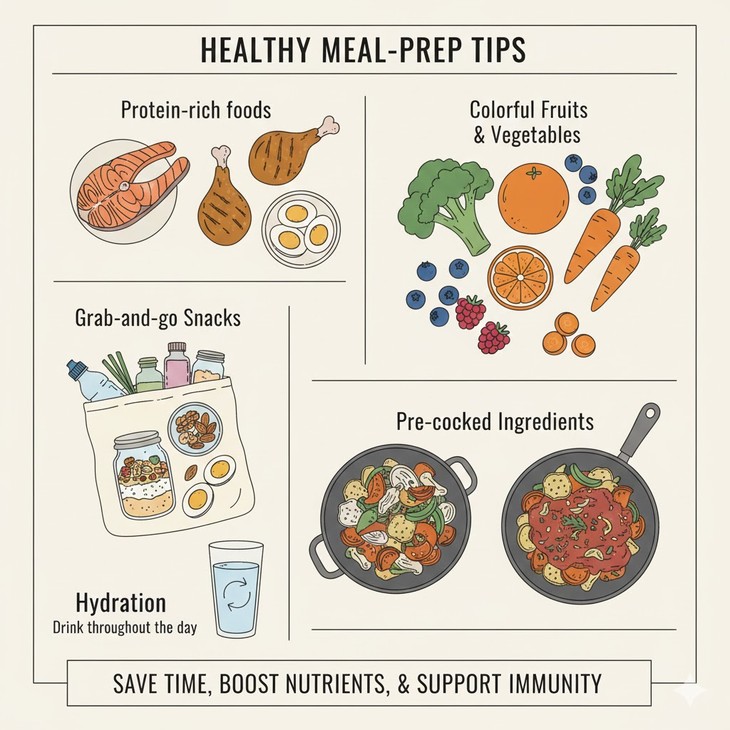 Some tips that can make a big difference in terms of nutrient intake Some tips that can make a big difference in terms of nutrient intake |
Reporter: You work closely with professional athletes. Are there any nutrition lessons from the sports world that ordinary people can use?
Alice: Athletes teach us a lot about nutrition. For instance, that good nutrition is a matter of consistency. Professional athletes don't wait until they’re tired or sick to start eating right. They eat every day to restore energy. Two lessons stand out: First, eat for recovery, not for hunger. After a high intensity training day, athletes combine protein, quality carbohydrates, and vitamins to recover their energy and strengthen their immunity. Second, stay hydrated. People don't think about drinking water because it’s such a basic thing, but frequent hydration improves concentration and immune function. These strategies work for everyone, not just athletes.
Reporter: What’s your key message for listeners who want to stay healthy all year round?
Alice: The key message I want to share is that you don't need to change anything quickly or drastically. The important thing is to focus on small, consistent habits. You don't have to buy expensive food. You just need to keep in mind that a balanced diet, rich in protein, vegetables, whole grains, healthy fat, and good hydration will build a strong immune foundation. Before you adopt a new diet or set fitness goals, get your immune foundation set first, and then you can adjust your diet to fit your goals. At the end of the day, good nutrition doesn't just help when you're sick. It keeps you strong throughout the year. Thank you for giving me an opportunity to share with your audience. I hope to share more nutrition information in the next episode.
Reporter: Thank you very much, Alice, for all your insights. That’s all for today’s episode of Doctor at Home. We hope these tips will help you all stay healthy and energized through the change of season. We hope you’ll join us for the next episode.