(VOVWORLD) - In today’s Food Delight, we explore mochi brownies made by The Fluffkieco, a home-based bakery in Hanoi founded by baker Viet Ha. Rather than reinventing flavors, she looks at well-loved recipes and asks how they can be refreshed, not by adding complexity, but by shifting the way they feel when you eat them.
A: Welcome to Food Delight. We’re A and B. Today, we’re introducing a dessert that feels familiar, yet slightly unexpected — mochi brownies.
B: At first glance, mochi brownies look much like classic chocolate brownies. But one bite is enough to reveal something different - a soft, chewy texture that sets them apart from the traditional version.
A: In today’s Food Delight, we explore mochi brownies made by The Fluffkieco, a home-based bakery in Hanoi founded by baker Viet Ha. Rather than reinventing flavors, she looks at well-loved recipes and asks how they can be refreshed, not by adding complexity, but by shifting the way they feel when you eat them.
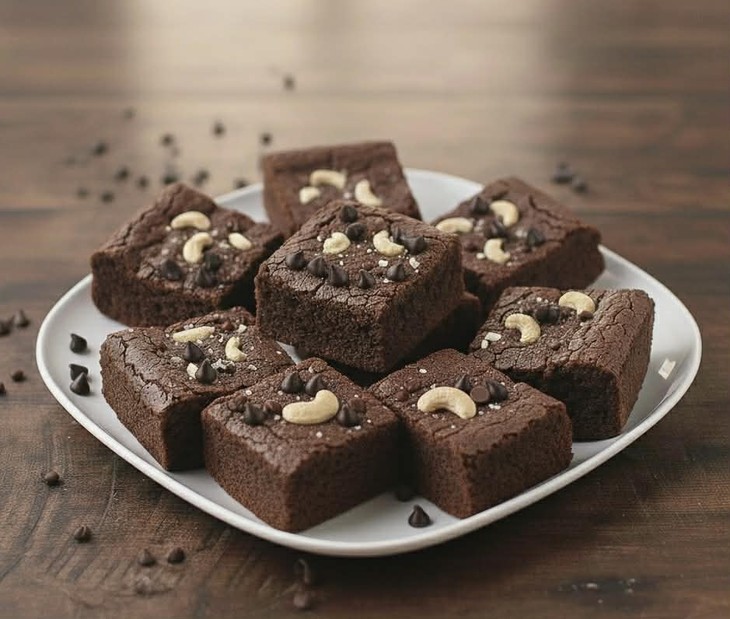 At first glance, mochi brownies look much like classic chocolate brownies. But one bite is enough to reveal something different - a soft, chewy texture that sets them apart from the traditional version. At first glance, mochi brownies look much like classic chocolate brownies. But one bite is enough to reveal something different - a soft, chewy texture that sets them apart from the traditional version. |
B: That idea of reworking something familiar becomes especially clear when we look at how these brownies are made.
“Mochi brownies are made from familiar brownie ingredients such as butter, chocolate, eggs, sugar, and cocoa powder. The key difference is that I use glutinous rice flour instead of wheat flour. The steps are similar to making classic brownies, but this change creates a chewy and soft texture,” said baker Viet Ha.
A: Ha said the process itself will be familiar to anyone who has baked brownies before. The batter is mixed, poured into a tray, and baked slowly, but the presence of glutinous rice flour changes how the mixture behaves in the oven.
B: With that one adjustment, the brownie begins to move away from its familiar territory. It’s no longer just about richness or chocolate intensity, but about how the texture changes the whole experience.
B: And in this case, it brings mochi brownies closer to something many Vietnamese diners already recognize.
Ha said: “Classic brownies are usually fudgy or slightly cakey. Mochi brownies, however, have a chewier and softer texture. The use of glutinous rice flour gives them a texture similar to some traditional Vietnamese desserts, which makes them especially appealing to local tastes.”
A: Once the texture is right, mochi brownies don’t need much else. The chewy center already delivers the experience, so everything added on top is meant to support it, not distract from it.
B: That’s why the flavors are kept simple, allowing the texture to remain the focus.
“Mochi brownies pair well with simple additions such as chocolate chips or nuts like almonds. Some people enjoy adding a thin layer of melted chocolate on top, but keeping the flavors simple allows the chewy texture to stand out. Mochi brownies are perfect as an afternoon treat or whenever you want something comforting. They pair well with milk, coffee, or warm tea, which helps balance the sweetness,” according to Ha.
A: Mochi brownies may start with a familiar recipe, but they end with a different kind of comfort. A quiet blend of baking traditions, where a Western classic meets a texture close to home. Soft, chewy, and gently comforting, mochi brownies remind us that sometimes, all it takes is a small change to create a fresh experience.
B: Easy to make and easy to share, brownies are the kind of dessert that naturally belongs on the family table, especially during small gatherings at home.
A: Warm, simple, and meant to be enjoyed together, sometimes, that’s more than enough.