



In Cha Day village, Phu Tho province, the craft of making Giang paper continues to be preserved. The elderly maintain traditions, while the youth infuse it with vitality and creativity in order to popularize the products.
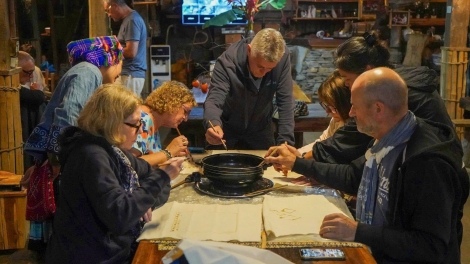
At the worship table, Sung Y Do carefully arranges several pieces of Giang paper cut into various shapes. This votive paper is indispensable in every spiritual rite of the Mong, from joyful weddings to somber funerals. For generations, it has served the important mission of carrying their prayers and hopes for peace to the spiritual realm. Do said: “Giang paper features prominently in customs and traditional ceremonies of the Mong, such as festivals and death anniversaries. It is offered to ancestors and used in rites for the deceased.”
There was a time when Giang paper was produced by every household in Cha Day village . Today, only four families in the village continue the craft.
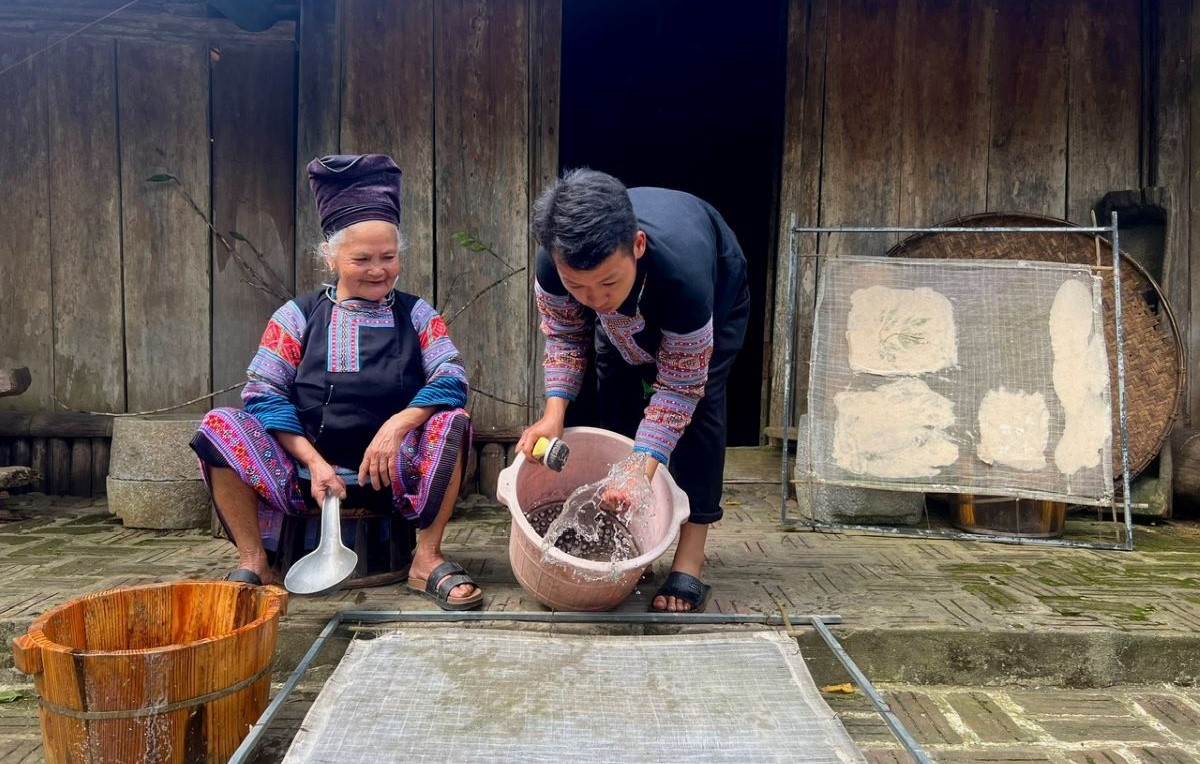
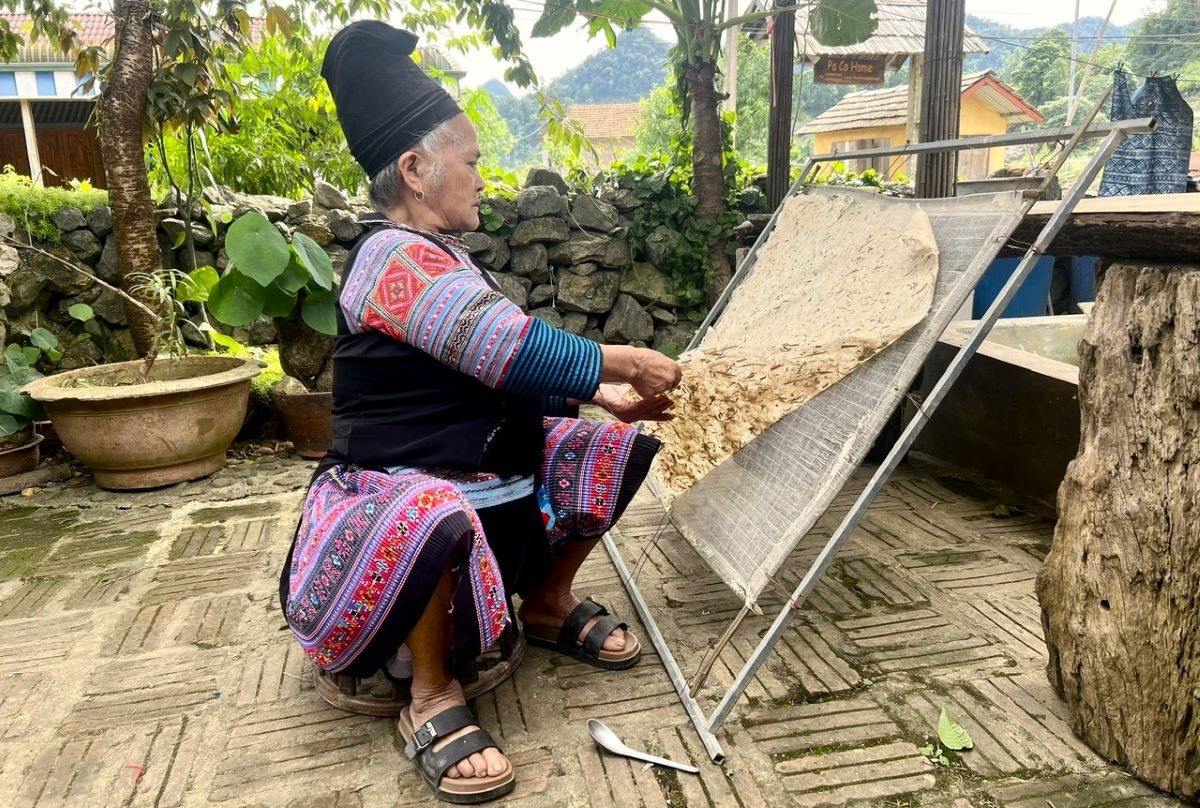
On a scorching summer day, in her yard, 71-year-old Phang Y Xi is stirring a thick mixture in a basin and pouring ladlefuls onto bamboo-frame filter screens. As the water drips away, a layer of yellow paper forms on the filter screen, drying in the afternoon sun.
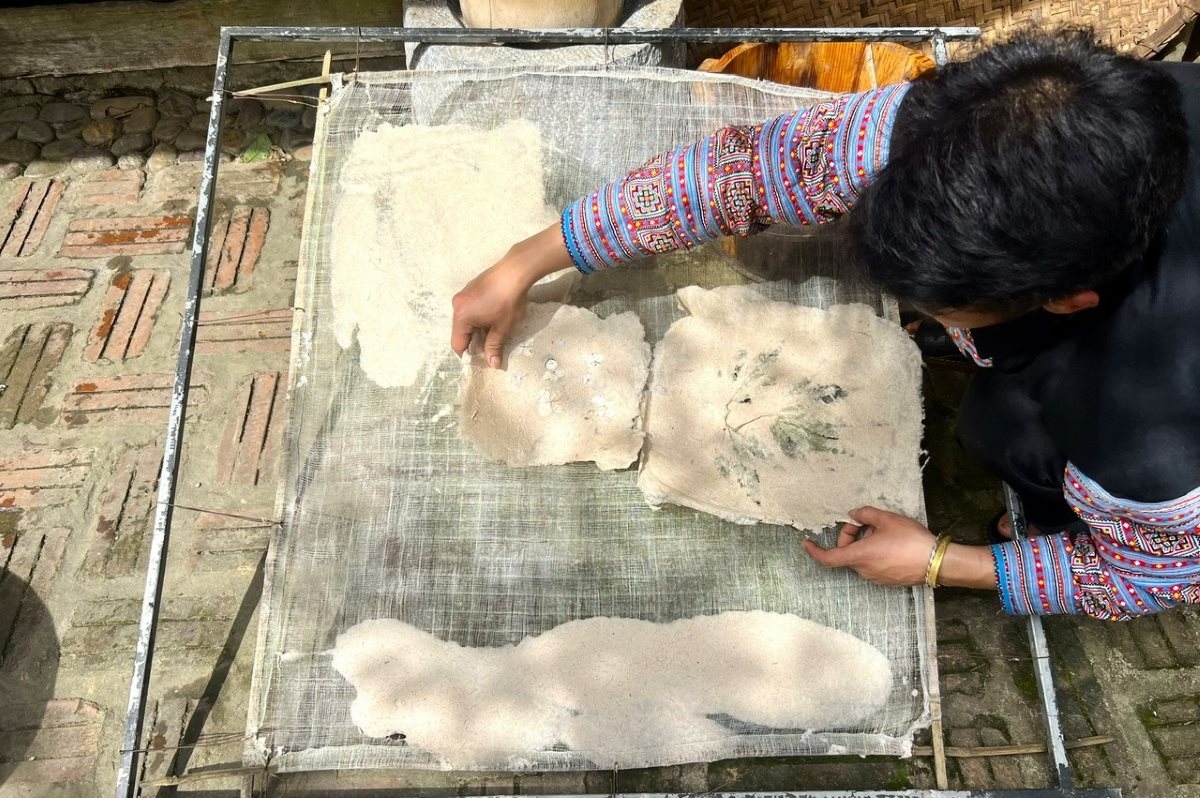
Xi is one of the few elderly persons still making Giang paper in Cha Day. She has been making the paper since she got married 50 years ago. “Before the Mong New Year, the Giang plants grow taller and more mature. We cut them down, strip off the green bark, and boil the stalks with ash for one to two days until they soften. Then we soak them in a stream for one to two weeks to make the fibers even softer. After that, we bring them home, crush them finely in water, and pour the mixture onto a filter screen. The sheets are left to dry in the sun for one to two days before the dried Giang paper is carefully peeled off the screen.”
A young man named Phang A Truong remembers days spent in the forest with his grandmother and mother gathering Giang for paper-making. He recalls the cherished moments before the New Year celebration when his father would replace the altar with the new Giang paper and tell the children about the village's traditions associated with Giang paper.
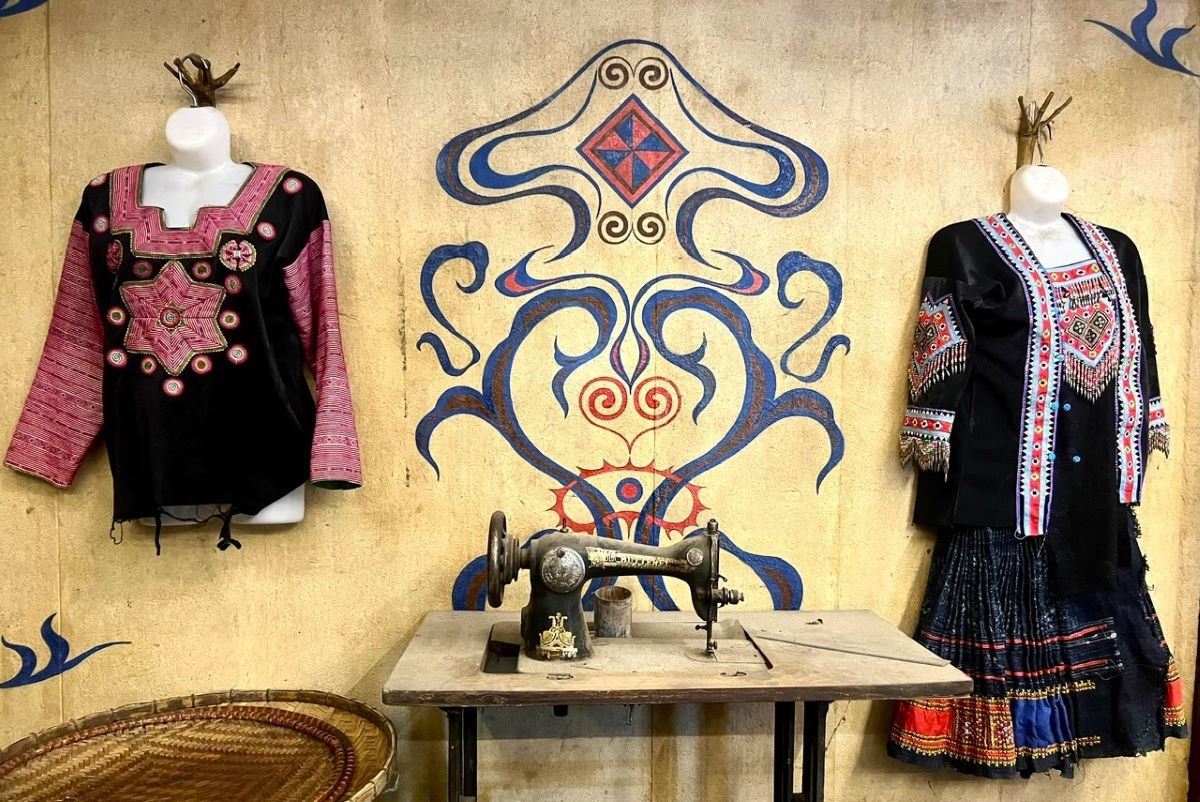
“At the New Year, my father would cut Giang paper to decorate the altar, and I stood beside him, full of curiosity. He took down the old altar and prepared a large rooster for the New Year ritual. On New Year’s Eve, we set up the new altar and attached some of the rooster’s feathers to it,” Truong said.
While it still has spiritual significance, Giang paper is now used for other purposes–as wallpaper, notebooks, and souvenirs. Young artisans creatively combine Giang paper with dried flowers and leaves to enhance its aesthetic appeal. Truong said: “I want to share our culture and the craft of making Giang paper with visitors. By showing them the techniques, I hope they can gain a deeper understanding of our traditions.”