



A symbol of solidarity
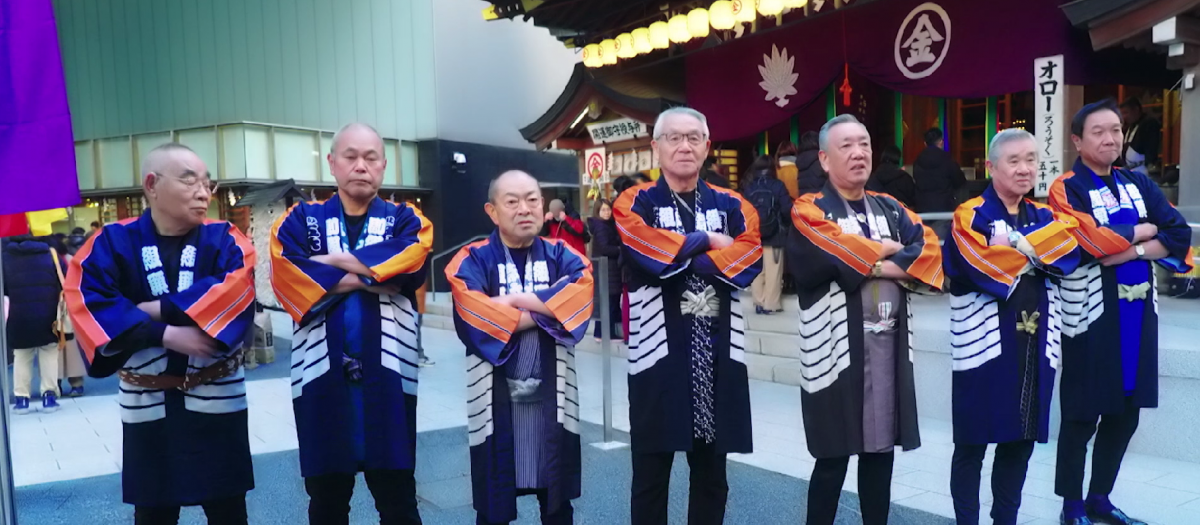
Among the earliest and most famous wearers of happi coats were the historic Edo fire brigades. In Edo-era Japan, firefighters relied on their matching coats to identify team members amid chaotic fires, often turning their jackets inside out after successfully extinguishing a blaze to show off hidden designs in celebration. That spirit of solidarity continues to this day.
Every January, Japanese fire departments hold a Fire Review to mark the start of the year, performing fire-fighting maneuvers in matching happi coats modeled after those of their Edo predecessors.
One local firefighter said, “Wearing the same happi coats signifies our unity and solidarity. It really lifts your spirits and changes your mindset.”
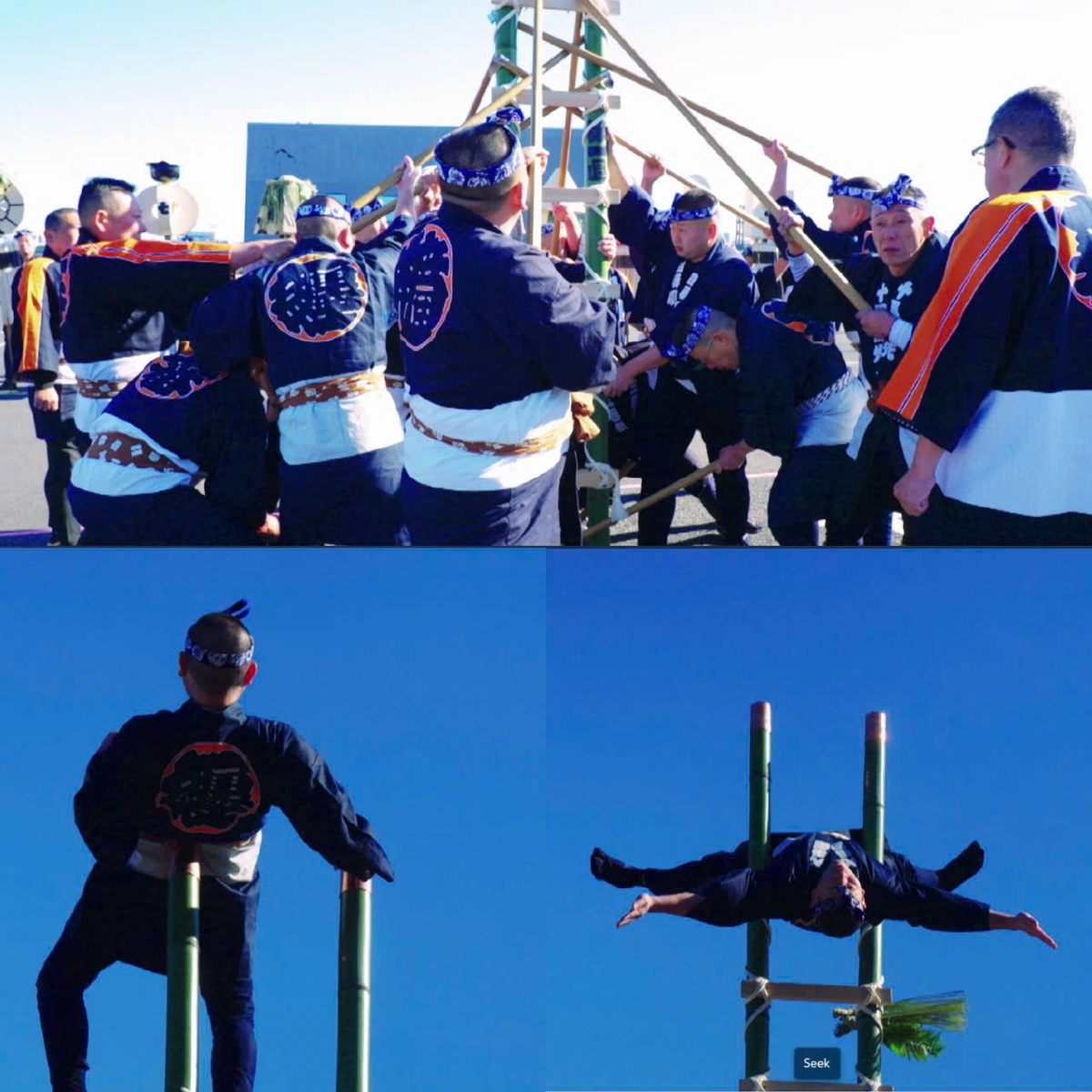
The happi coat is commonly worn during Japanese festivals and community celebrations. Traditionally crafted from breathable cotton dyed with indigo, it has a simple construction of rectangular fabric panels sewn together.
Its wide, three-quarter-length sleeves and open front—secured loosely at the waist with a sash—allow for maximum freedom of movement during energetic events. The collar lapels often bear the name of a festival, team, or organization, while the back displays motifs ranging from classical waves or cherry blossoms to bold Japanese kanji.
Uniforms of belonging and pride
The history of the happi coat dates back 300 years to the Edo period (1603–1868). Originally, these jackets served as uniforms for servants, laborers, merchants, and artisans. Each coat was emblazoned with a family crest or corporate emblem, clearly signaling the wearer's affiliation and business group.
Because the dynamic emblem rendered boldly across the back could easily be recognized from a distance, happi coats were effective promotional garments for artisans and shopkeepers. And wearing matching garments fostered camaraderie and a sense of belonging among trade groups.
Mizuno Hirotoshi, President of the Mizunosome Dye Factory, said, “Happi coats were designed to distinguish wearers by where they belonged. Their popularity had a lot to do with carrying one’s trade name with pride, and with considerable stylishness.”
Stenciled unity
The 100-year-old Mizunosome Dye Factory still uses traditional hand-dyeing techniques to make happi coats. A jacket's back design is created using the norioki process, which uses a stencil and special paste to mask off areas where dye shouldn’t penetrate.
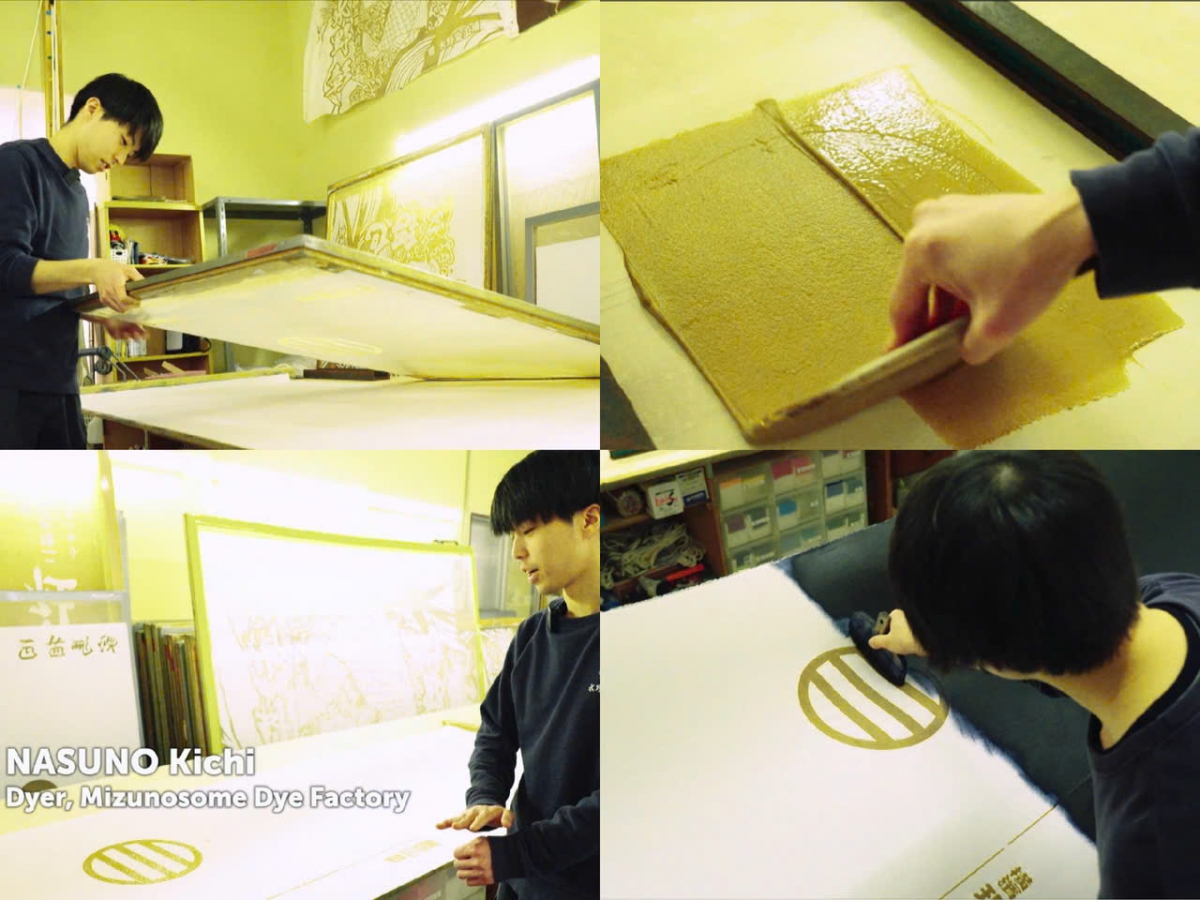
Nasuno Kichi, a master dyer at the Mizunosome Dye Factory, describes the exacting care needed to create the emblem, “Unless you lift it up slowly, the paste may come off together, so masking is the trickiest step, even more so than the actual dyeing. Characters or crests can get lost, so we have to be careful doing this step.”
This meticulous attention ensures that every character or crest on the back of the jacket stands out crisp and bold, honoring the group it represents.
Matsuri happi: Classic festival jackets featuring the kanji character for "festival" (matsuri).
Taiko happi: Often sleeveless to give taiko drummers unrestricted movement.
Yosakoi happi: Knee-length variants tailored for energetic dance troupe performances.
Corporate or pop-culture happi: Modern versions worn at trade fairs or featuring anime or manga motifs popular among today’s youth
The happi coat embodies iki - a uniquely Japanese aesthetic sensibility that values refined sophistication, understated confidence, and effortless poise over ostentation. This philosophy lives on in modern innovations, bringing traditional elegance to modern wardrobes.