



If you're familiar with the traditional Western dining style of three structured courses and formal etiquette, tapas offers something completely different. Dishes arrive in no particular order, and there are very few rules to follow. When having tapas, expect the unexpected.
As Marcel elaborates: "It can be some stew meat here, some fried seafood on another plate, some shrimp. Then it's usually accompanied by bread. And there's also alcohol involved. Beer and wine are the most common."
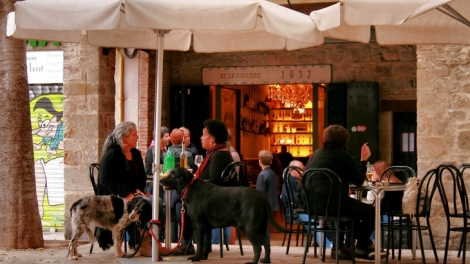
With tapas, you have the freedom to choose what, where, and how to eat - sitting or standing, starting early or lingering for hours. It’s entirely up to you.
"You can either sit or stand, or even turn it into a long meal," said Marcel. "My personal style is just sitting down. Even though you're having drinks, it's still good to be with your friends and have deep conversations. So I think those conversations are better when you're sitting on a chair."
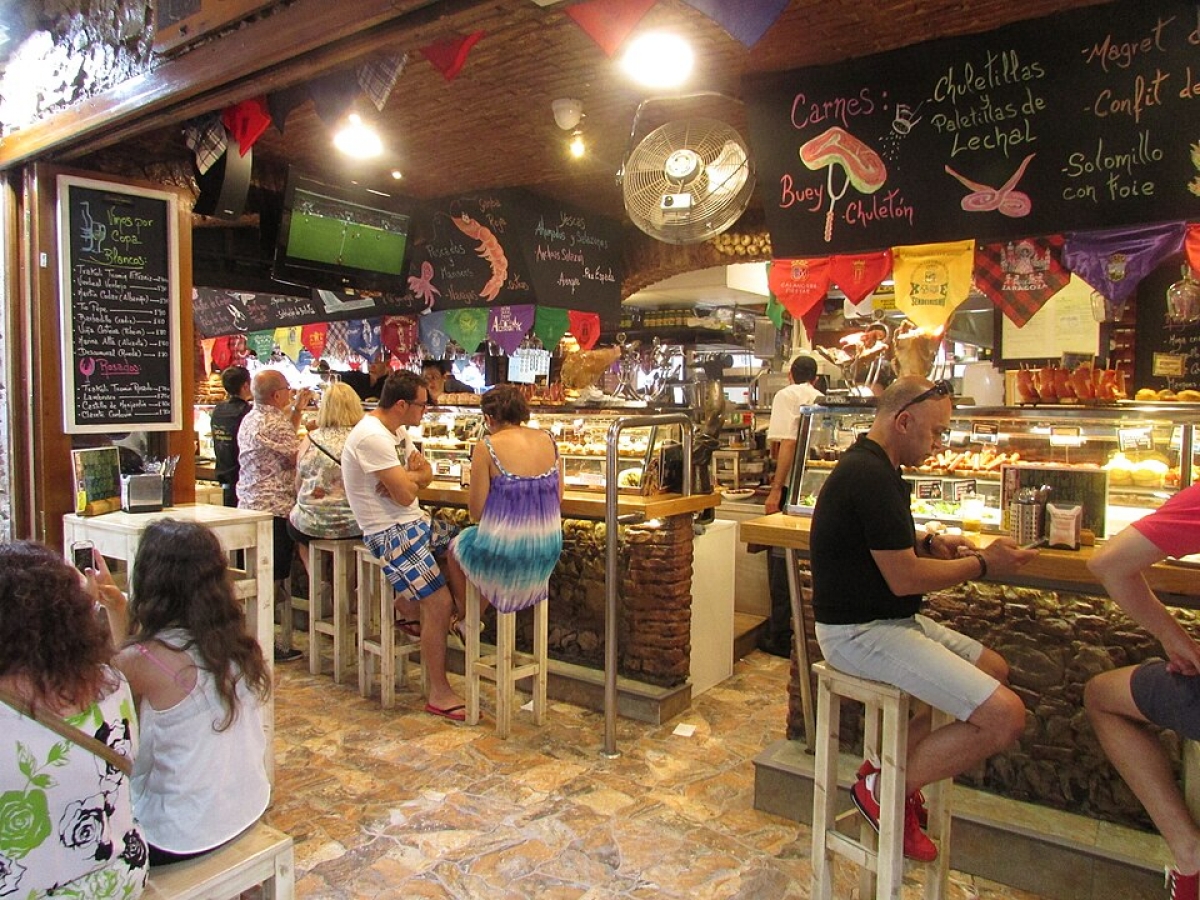
The one rule that truly matters? Share your food, instead of keeping it to yourself. Much like in Vietnamese meals, passing dishes around is part of the experience.
"You’re just grabbing a few bites from the different dishes because you're sharing it with several people. I think it's more about gathering your friends and having some fun and eating several types of food," Marcel continued.
Tapas has existed as a natural part of Spanish tradition for as long as anyone can remember. Its exact origin is still debated.
One popular story links it to King Alfonso X, Marcel told VOV: "Alfonso X of Castile in the 13th century was ill for a while. So instead of feeding him a big meal, they gave him wine with small amounts of food. After he recovered, he supposedly ordered taverns to never serve wine unless it comes with something to eat, to reduce people getting drunk."
Another theory is more literal. The word “tapas” comes from tapar, meaning “to cover”.
"In the old times, to cover wine glasses or other drinks, they would place a piece of bread on top, sometimes with cured meat," Marcel added.
Initially a simple cover for drinks, tapas has grown far beyond its original purpose. According to a 2024 Statista study, more than half of customers in Spain consume between three and five tapas per visit. But more importantly, tapas is a social experience. It often goes hand in hand with tapeo - hopping from one bar to another, trying different specialties along the way.
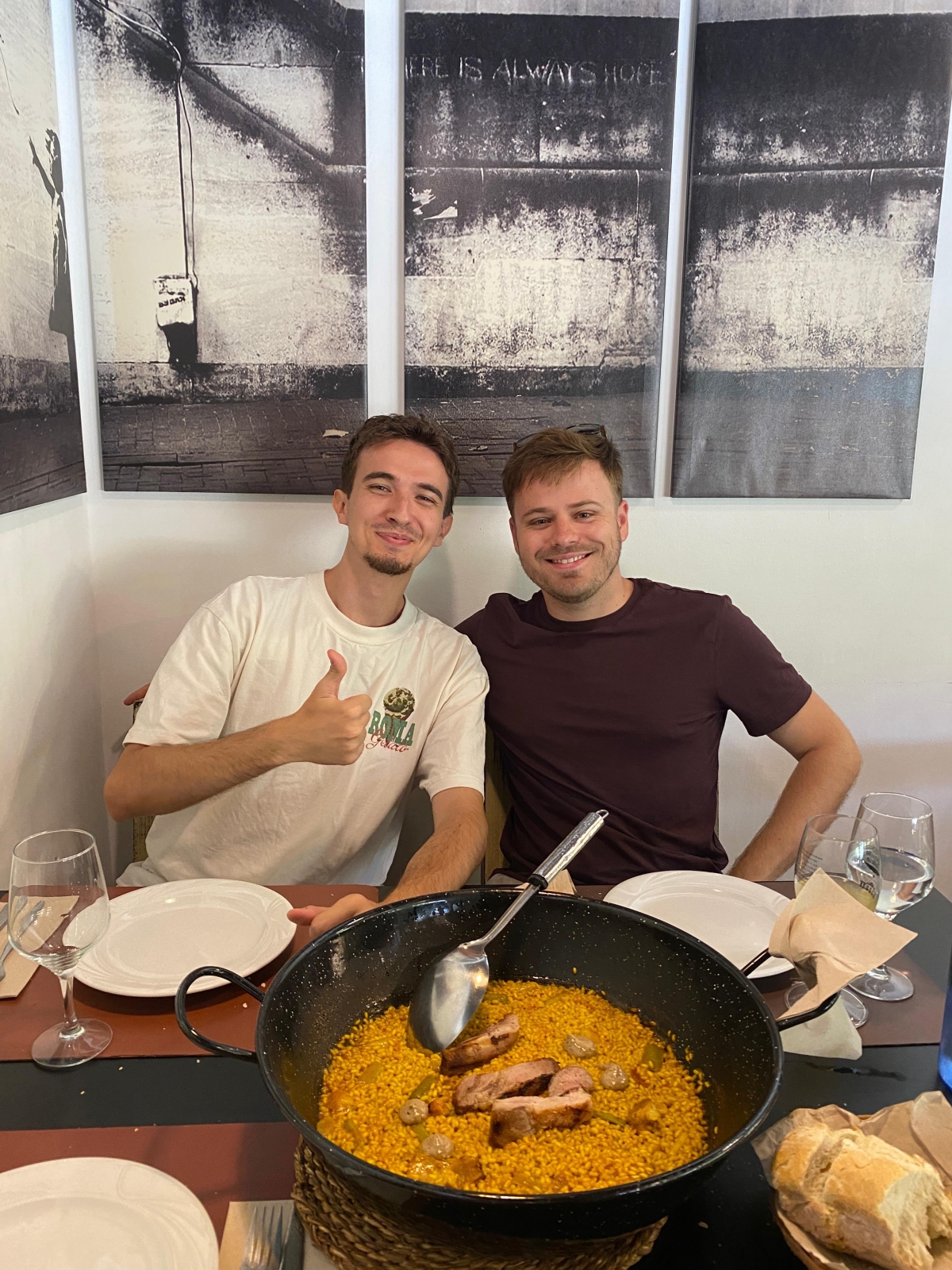
"In my case, when I go out with friends, I like to visit at least two or three different bars," Marcel said. "Each one usually specializes in something. I love starting at a place with really fresh seafood, having a beer and a few dishes, and then moving on to another bar where they do fried food."
Despite all the movement, he said, the experience remains enjoyable, especially when shared over beer and wine.
For one of the most geographically diverse countries in Europe like Spain - with its lush green landscapes in the north, dry inland plains, rugged mountain ranges, and sun-soaked Mediterranean coastlines - the beauty of tapas also lies in its local specialties, shaped by each region’s ingredients and traditions.
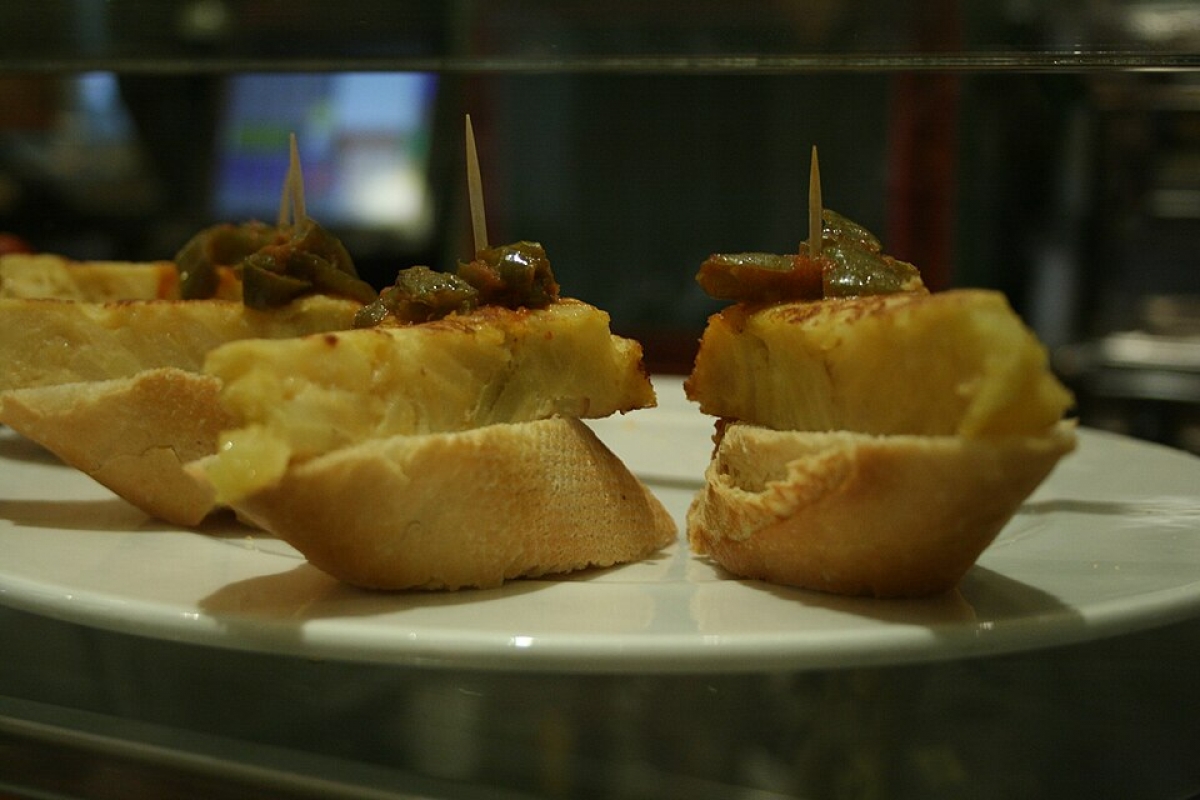
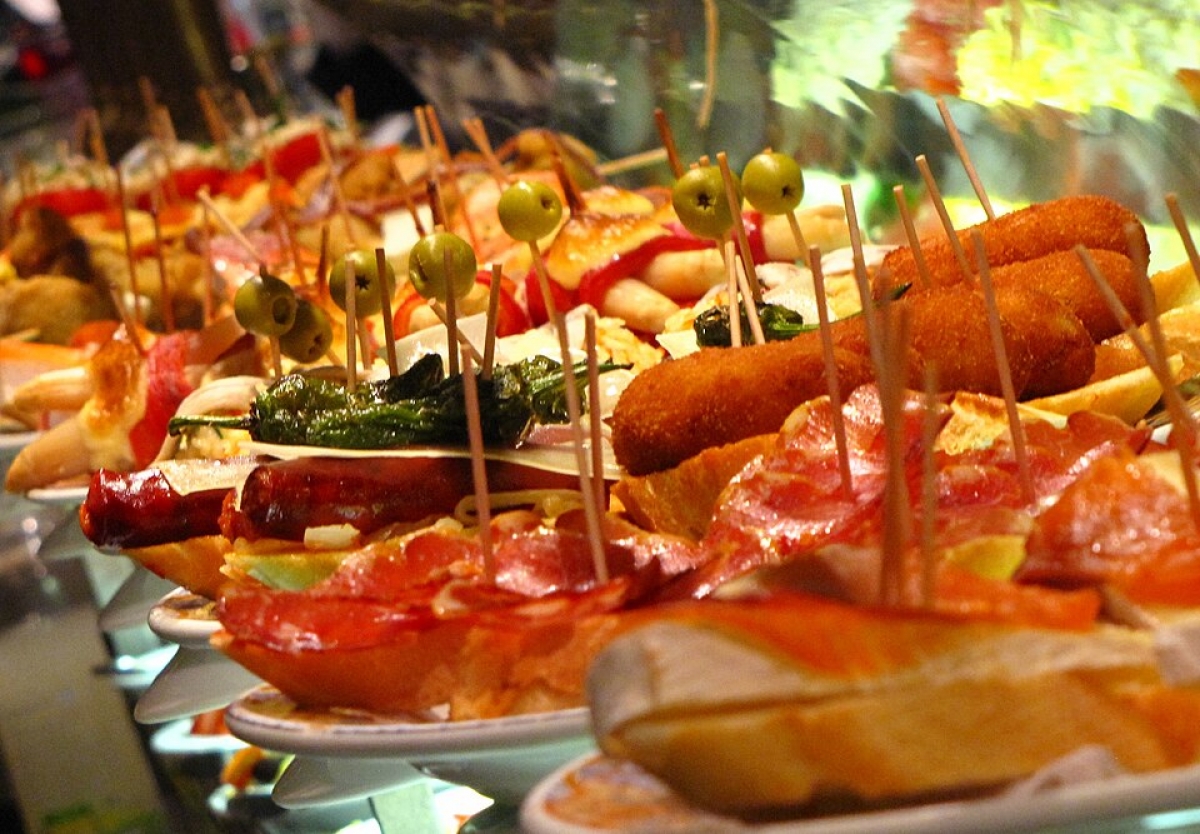
From tortilla española - a thick omelette made with potatoes and eggs - to croquettes, those small, crispy rolls with creamy fillings, and calamares, or lightly battered fried squid rings, tapas comes in many forms.
"There are many different regional variations of tapas because Spain is really a mix of cultures and cuisines."
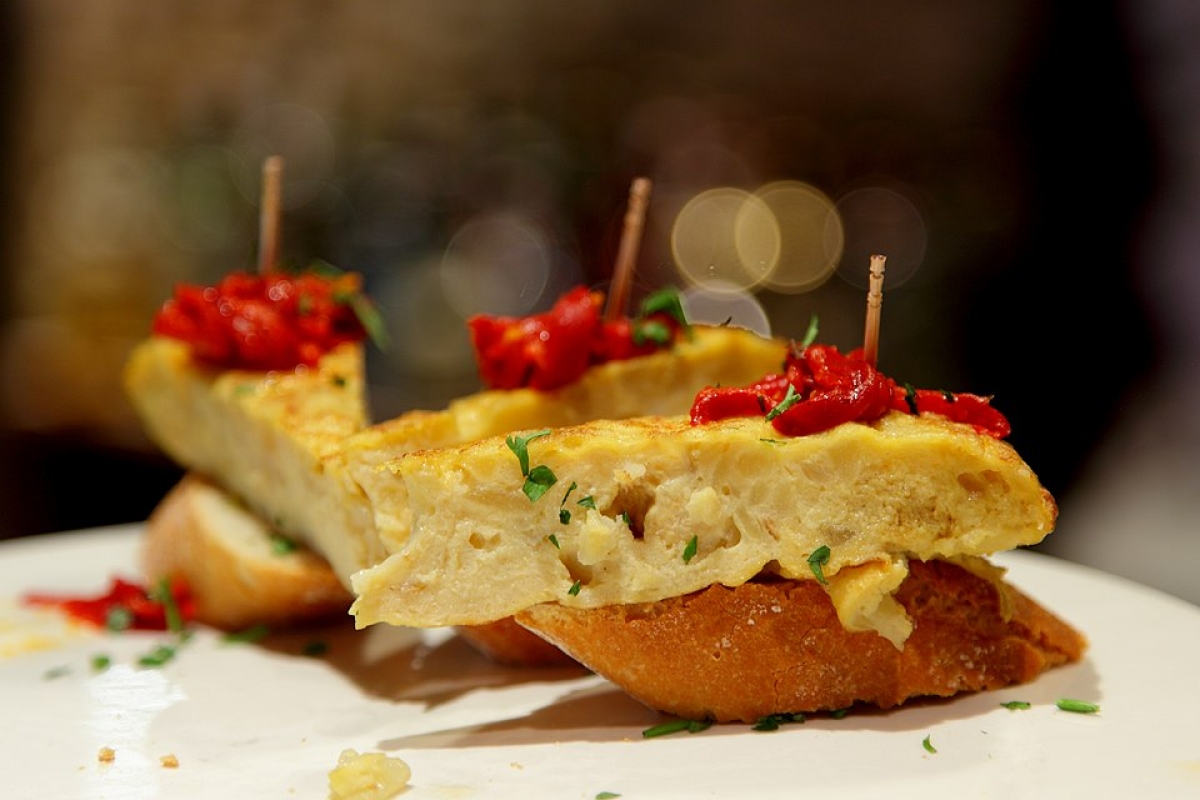
Marcel said he had been lucky enough to visit the Basque Country, including San Sebastián, which he described as the “Mecca of pintxos.” There, tapas are known as pintxos, typically served as a piece of bread topped with cured meat or seafood and sometimes held together with a stick.
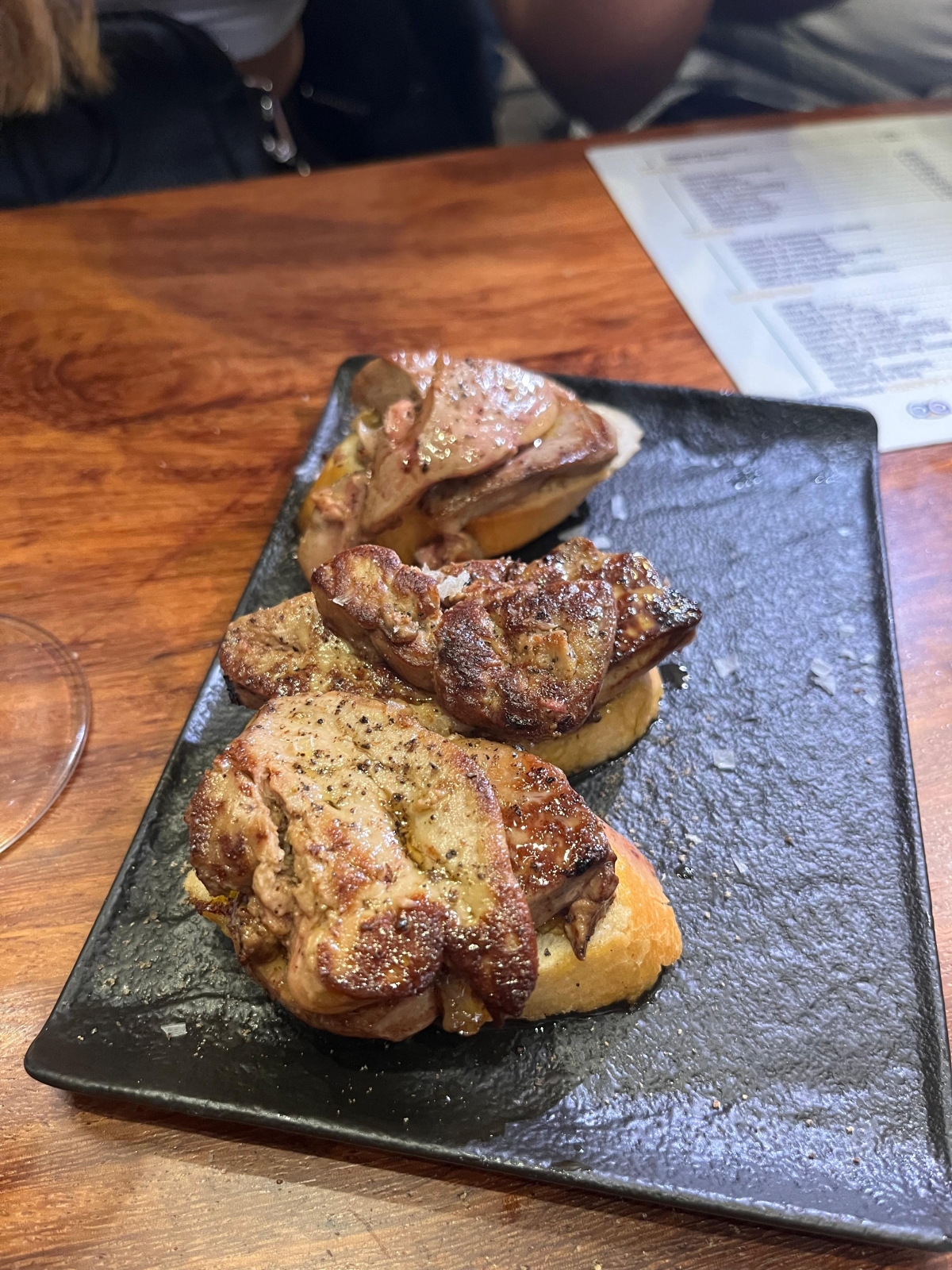
He also highlighted specialties like foie gras with ribeye steak, and noted that Andalucía, in southern Spain, is known for its fried dishes. According to him, the region excels at frying seafood and preparing stewed meats such as pork, with pescado frito, or fried fish, among his personal favorites.
And for anyone planning to try tapas for the first time, Marcel has a simple piece of advice: Ask the local people.
"Don't just go to the touristy place because this guide recommended you, but ask the local guides that show you around where they actually go to eat with their families. And it has to be full of local people and has to be a bit dirty and it has to have essence," Marcel noted.
As Spaniards often say, “Eat to live, not live to eat.” Tapas today goes beyond what’s on the plate. It’s in the way people move from one place to another, in the conversations that stretch late into the night, and in how food is shared rather than kept to yourself.