







PART I: Culture rooted in communities
Culture is the spiritual foundation of society and a bond that brings people from different walks of life together. Each of Vietnam's 54 ethnic groups has its own identity, language, customs, traditions, and way of life. Together, they contribute to shaping Vietnam’s national values. Let's explore some distinctive festivals of Vietnam's ethnic groups to see how culture continues to thrive in everyday life.
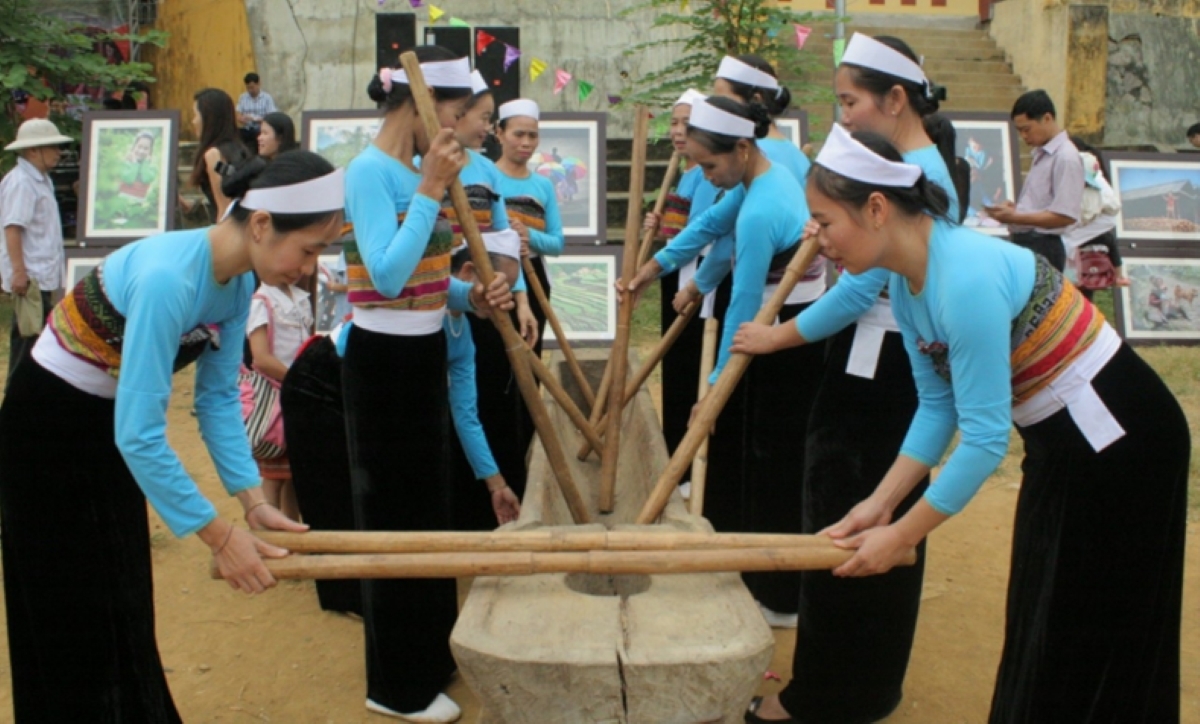
Our first stop is Mai Chau commune, Phu Thọ province, where Thai villages come alive with the sounds of Keng loóng performances. For the Thai, Keng loóng folk dance is the heartbeat of community life, a warm welcome to visitors and a celebration of bountiful harvests.
“Loóng is a mortar made from high-quality timber, such as Chukrasia wood, which produces a deep, resonant sound that carries over long distances. Keng refers to the wooden stick or pestle used to strike the sides of the loóng. Traditionally, we grew rice on hillsides and upland fields. After harvesting, we brought the rice home and pounded it in the loóng to remove the husks and obtain the grain,” Ha Van Xem, a Thai resident of Mai Chau commune, explains.
Over time, the rhythmic pounding of rice after the harvest has become an integral part of community ceremonies. Meritorious Artisan Ha Thi Bich, from Mai Chau commune, said, “In the past, the Thai used Keng loóng to thresh rice and straw. Today, they are instrument to be performed during New Rice celebrations, festivals and other special occasions such as solar or lunar eclipse events and funeral ceremonies. Drums and gongs may accompany the Keng loong performance at festive events. Performers stand on either side of the loóng and use the Keng bamboo sticks to strike it.”
In November 2023, Keng loóng was officially recognized as a National Intangible Cultural Heritage. Ha Thi Nhat, a resident of Mai Chau, said: “The Keng loóng dance has long been part of the Thai people's lives. Everyone feels excited and energized when performing it. The dance is usually organized on the National Great Unity Festival, New Rice festivities, New Year celebration, traditional festivals and other joyful gatherings. We also guide visitors to perform Keng loóng, bamboo pole dancing and fan dancing. They love watching and taking part. The cultural identity of the Thai people must be preserved.”
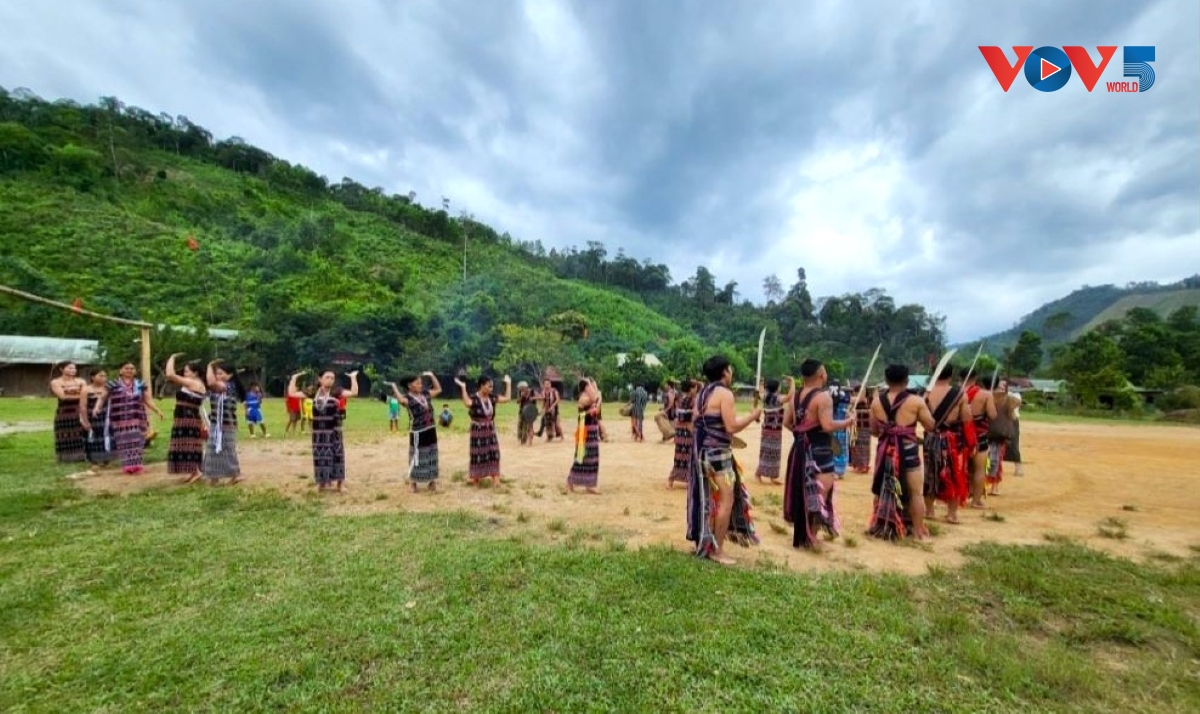
Leaving the northern mountains, we head south to the sun-drenched, windswept central region to visit the Co Tu community in the majestic Truong Son mountains. The Co Tu people are proud of their traditional Tung tung da da dance, which has been honored as a National Intangible Cultural Heritage.
Tung tung da da embodies the free spirit of the Co Tu and their close connection to the surrounding forests and mountains. Village elder Briu Po of Tay Giang commune, Da Nang city, tells us what the dance and its movements mean.
“The men play drums, gongs and cymbals. The more drums and gongs there are, and the louder they sound, the better. The women perform the da da dance. Some men carry horns, wine jars, spears and other traditional objects, dancing in rhythm with the drums and gongs. Some women carry baskets on their backs. Their movements express gratitude for what the community has achieved and offer prayers to the heaven and earth for blessing them with good fortune.”
During major village festivals, such as the buffalo-sacrifice ceremony, the New Rice celebration and the inauguration of a Guol communal house, the sounds of drums and gongs invite everyone into the Tung tung da da dance, which vividly manifests the Co Tu people's cultural heritage.
“The Co Tu men and women dance gracefully on their toes. At the same time, they raise their hands towards the sky, with their palms facing upwards. Traditionally, women carried sticky rice, buffalo-horn-shaped cakes and sometimes bamboo-tube rice and meat in their hands offering them to heaven. That is why many people believe the Co Tu dance is a ritual offering to heaven. Viewed from above, the dance forms a circle of women and a circle of men around a central bonfire. As they dance, a woman move around the person next to them and all circle the fire. The dance can be seen as a representation of the solar system, with the sun at the centre and the women symbolizing the Earth, which rotates on its own axis and revolves around the sun,” Folklorist Vo Van Hoe said.
Tung tung da da was recognized as a National Intangible Cultural Heritage in 2014. Tao Viet Hai, Deputy Director of the Da Nang City Department of Culture, Sports and Tourism elaborated on efforts to keep the tradition alive. “We preserve the Tung tung da da dance and try to enrich its performance. Every four years, we organize a festival of ethnic groups to preserve and promote our cultural values.”
PART II: Unity in diversity
The rhythmic pounding of Keng loóng pestles in the northern mountains and the Tung tung da da dance in the forests of central Vietnam are just two examples of the more than 10,000 community-based festivals held across Vietnam. In a world of growing connectivity and cultural exchange, this diversity does not divide people. Instead, different traditions come together to form a shared cultural identity and beautify Vietnamese culture.
This sense of community extends beyond festivals. It is expressed through a deep love for the country, strong ties to one's roots, solidarity among fellow Vietnamese, and a sense of compassion. These shared values have been passed down through generations, providing a common spiritual foundation that rallies people from all walks of life together in national construction.
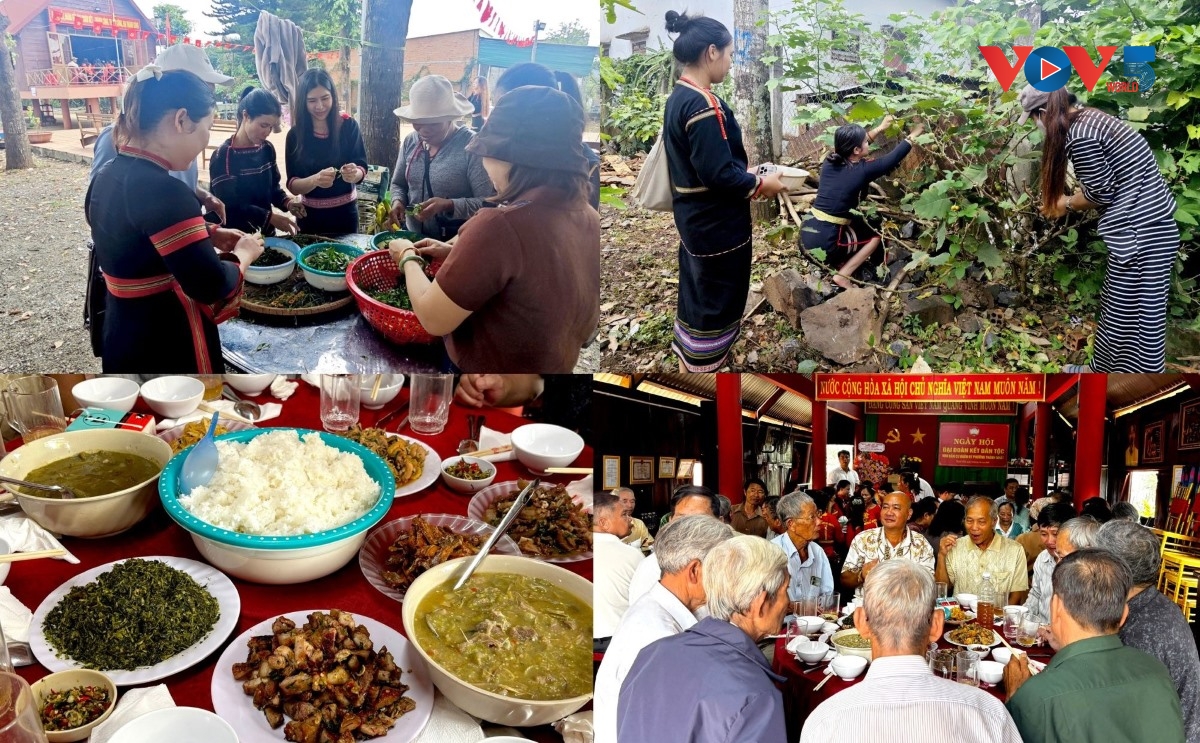
Since early morning, the community cultural house in Ky Village, Thanh Nhat Ward, Dak Lak Province, has echoed with laughter and lively conversation. Women in traditional E De attire line the entrance to welcome visitors, while artisans tune their gongs and practice familiar melodies. Beneath a canopy of shade, the villagers chopped and prepped ingredients for a communal feast.
H Bing Byă arrived at 7 a.m. to join other residents in preparing traditional E De dishes. Banana blossom cooked with bitter eggplant, beef offal stew, grilled meat, flour soup and pounded papaya salad are staples of E De cuisine. Today, they are being prepared for the whole village to enjoy. H Bing Byă said: "It's been a really enjoyable day. We don't often get the chance to take part in a community activity like this. Even though we're right in the middle of the busy coffee harvest season, we still made time to come here and help prepare for the event."
This year, besides a grant of 10 million VND (about 389 US dollars) from the provincial authorities, many villages have received additional support through contributions raised locally. Y KLê Xuân Niê, head of Ky Village, said the funding had helped residents prepare more thoroughly for the festival.
“Every villager is contributing what they can. Some bring rice, others fish sauce, salt or other supplies. Vegetables come from their own home gardens. Everyone chips in with whatever food they have. The ward People's Committee has also been very supportive, providing 5 million VND from funds raised through social contributions. Compared with previous years, we have better resources and better-organized preparations, so more people can be part of the celebration and have fun.”
Alongside traditional dishes, ei rei melodies, rhythmic gong performances, and xoang dances bring the festival to life. The gathering gives villagers a chance to celebrate their cultural traditions and strengthen their bonds, even during the busy farming season. Dang Van Bien, 78, has lived in Ky Village for more than a decade. "I really hope Buon Ky can keep this spirit of solidarity and togetherness. I hope people will continue to work together to build a better village," he said.
Ky Village is home to more than 1,000 households and over 4,300 residents, more than half of whom belong to the E De ethnic group. People from different ethnic backgrounds and religious communities live together here. Community activities like this provide an opportunity for residents to preserve their traditional way of life while sharing and celebrating their respective cultural identities.
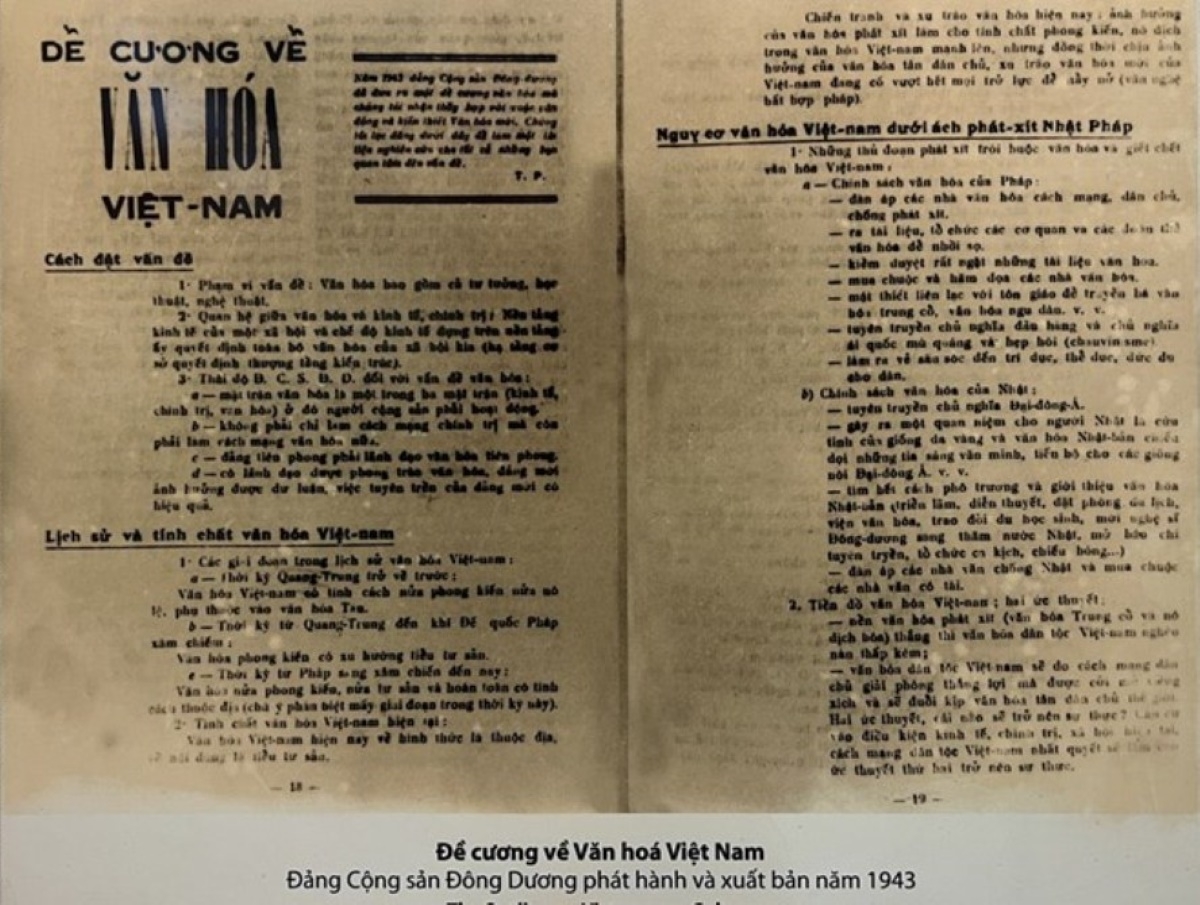
Massification, or broad public participation, has long been a defining feature of Vietnamese culture. It was also emphasized in the 1943 Outline of Vietnamese Culture, a landmark document that helped shape the country's cultural development. More than eight decades later, this principle remains an important guiding principle in modern Vietnamese society.
The Communist Party of Vietnam’s Outline of Vietnamese Culture set out three guiding principles for the new cultural movement: "nationalization, massification, and scientificisation." These principles helped mobilize, educate, and unite the wider population in the revolutionary cause.
Prof. Dr. Pham Hong Tung, former director of the Institute of Vietnamese Studies and Development Sciences at Vietnam National University, Hanoi, explained: “The Outline of Vietnamese Culture is of immense importance. It laid the groundwork for introducing revolutionary ideology, with the national interest placed above all else. It rallies young people and intellectuals, while paving the way for the formation of revolutionary forces.”
Vietnam's approach to cultural development emphasizes patriotism, the tradition of great national unity, and a sense of independence, self-reliance and self-strengthening in national construction and defense. It also seeks to ensure that culture reaches every aspect of social life, reaching individuals, families, collectives and communities.
The Platform for National Construction during the Transition to Socialism, supplemented and developed in 2011, describes Vietnamese culture as "unity in diversity." This is both a defining feature of Vietnamese culture and a key principle in strengthening great national unity.
Prof. Dr. Tu Thi Loan, Chairwoman of the Vietnam Association for Community Cultural Development, said: "Throughout thousands of years of building and defending the country, culture has been a constant source of nourishment for the soul, character and vitality of the Vietnamese people. It has given us the strength to overcome wars, natural disasters and historical upheavals, while continually affirming our national identity."
"Values such as patriotism, solidarity, compassion, strong community bonds, self-reliance and resilience have come together to shape a distinct Vietnamese identity and become a lasting source of strength. This identity lies at the heart of our nation, giving us the ability to adapt, innovate and integrate with the world without losing our own essence."
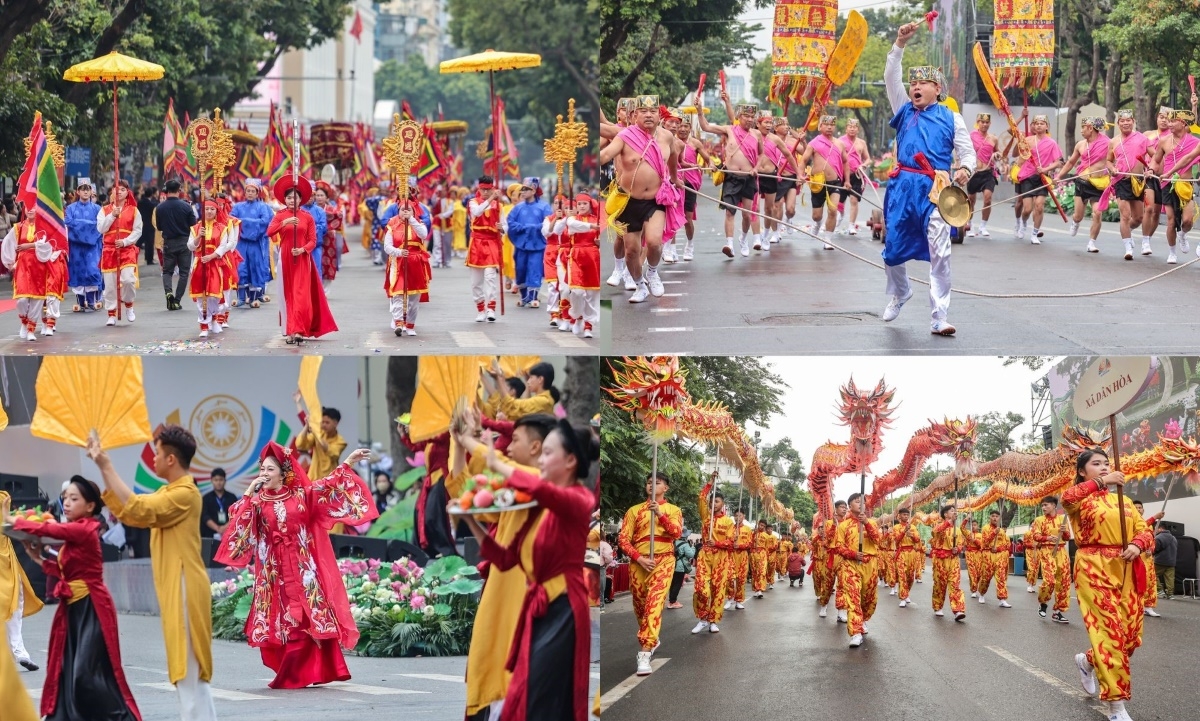
Part III: Culture, soft power for development
Since the Outline of Vietnamese Culture was launched by the Communist Party of Vietnam in 1943, its core values of national identity and a people-centered orientation has remained relevant. Today, these values are now being elevated to meet the demands of a new era. A nation’s strength is measured by the size of its economy, the appeal of its culture, the values of its people, and the influence it exerts beyond its borders. Politburo Resolution 80, issued on January 7, 2026, marks a historic turning point by placing culture at the heart of national development thinking. When culture becomes the true foundation of society, it strengthens the nation’s internal resources and reinforces great national unity.
According to Prof. Dr. Dinh Xuan Dung, former Vice Chairman of the Central Council for Literature and Arts Theory and Criticism, Resolution 80 places culture as a pillar and recognizes it as a supreme regulator of social development.
“Culture is one of the four pillars: politics, the economy, society, and culture. And if it is a pillar, it must be strong. Second, culture is a regulator of social development. This regulatory role has a profound impact. People have qualities and values, and use those values to regulate their relationships with nature, the economy, the community, and society. Another point is that Resolution 80 does not use the term ‘equal’ but ‘on a par with’ the economy, politics, and society. There is a difference. ‘Equal’ refers to charts and quantitative terms, while ‘on a par with’ refers to status and quality – meaning culture must stand on a par with national development in this new historical period. This places very high demands on culture in the development process,” Dung said.
Economic development can make a country wealthier, but culture can make that development more sustainable and humane. Prof. Dr. Tu Thi Loan, Chairwoman of the Vietnam Association for Community Cultural Development, said: “The new era requires us to preserve culture and transform cultural resources into resources for development. It’s not enough to preserve heritage; we must make heritage a living part of contemporary life. It’s not enough to introduce Vietnamese culture to the world; we must strengthen our creative capacity so that Vietnamese culture can become more attractive, competitive, and influential internationally."
"Ultimately, all cultural strategies must be people- and community-oriented. Culture does not exist in monuments, museums, libraries, or works of art, but first and foremost, it exists in everyday life – in families, neighborhoods, schools, businesses, public spaces, and even digital spaces."
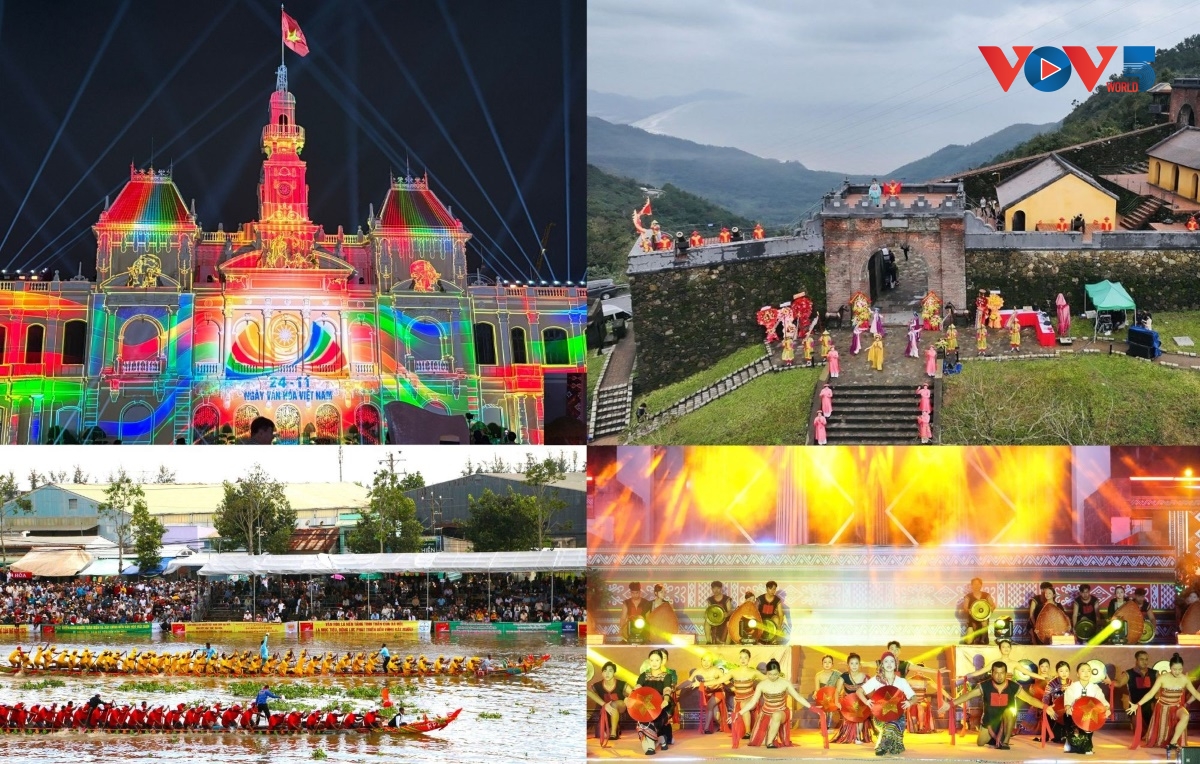
Implementing Politburo Resolution 80, the first-ever Vietnam Culture Day is being celebrated nationwide on November 24 this year, exactly 80 years after the very first National Cultural Conference was held at the Hanoi Opera House.
The celebration demonstrates the Party and State’s strategic vision of bringing culture into public spaces and allowing it to permeate every aspect of social life. Next in today’s program, we will speak to Assoc. Prof., Dr. Bùi Hoài Sơn, Deputy Chairman of the Party Central Committee’s Commission for Publicity, about how much the Vietnam Culture Day matters.
2026 marks the first nationwide celebration of Vietnam Culture Day. What’s the significance of this event?
“Culture is receiving increasing attention from the people. The designation of Vietnam Cultural Day on November 24 demonstrates the Party and State’s care for people’s cultural life. Through successive National Party Congresses, the role of culture has been clearly affirmed as a foundation, a driving force, a goal, and a regulator of national development. Our care for culture is reflected in resolutions, strategies, policies, and events, such as days when we honor cultural values, giving people more time to engage with culture and, in turn, allowing culture to contribute to more sustainable development.”
Hundreds of art programs and other activities are being held nationwide for this year’s Vietnam Culture Day. What needs to be done to get people to create and participate in culture, rather than simply watching performances?
“What’s particularly important about this year’s Vietnam Culture Day is that, for the first time, we’re organizing a nationwide event as an occasion to honor culture and devote time to culture. To that end, people should be placed at the center of cultural activities. People should not merely come to admire cultural products and art programs. They must play a role in cultural events, which take place right within families, in neighborhoods and residential communities. I believe that when people take part in and become the creative agents of their own cultural activities, Vietnam Culture Day will take on greater meaning. And from one day on November 24, we can make all 365 days of the year Vietnam Culture Days.”
Major events often spark powerful emotions, yet their true worth lies in the lasting value they leave behind. What real-world changes do you hope Vietnam Culture Day will inspire?
“We can be extremely proud that we now have a Vietnam Culture Day to honor our cultural values and demonstrate the Party and State’s commitment to cultural development as a soft power for national development. We have high expectations for Vietnam Culture Day’s positive and far-reaching impact on cultural events and on the development of the national culture. Every individual who takes part in cultural events, through their own small contribution, helps build pride in Vietnamese culture. From there, we can create more products bearing the Vietnamese brand, Vietnamese intellect, and a positive image of Vietnam in the eyes of the world.”
Thank you, Assoc. Prof., Dr. Bui Hoai Son, Deputy Chairman of the Party Central Committee’s Commission for Publicity, for your insights.
---------------------------
To turn these aspirations into reality and harness culture as a driver of digital-age development, it’s vital to build and promote a national value system and standards for the Vietnamese people in the new era, a message consistently underscored by General Secretary and President To Lam.
“First and foremost, we must build and promote a national value system, a cultural value system, and standards for Vietnamese people in the new era. A country that wants to go far must have a compass of values. Those values must combine traditional heritage with modern aspirations, be strong enough to guide social behavior, clear enough to distinguish right from wrong, good from bad, and truth from falsehood, and resilient enough to withstand deviations and manipulation in the digital environment. We must emphasize core qualities like patriotism, traditional ethics, discipline, integrity, responsibility, compassion, creativity, and the aspiration to rise. Values can’t exist in documents only. They must be translated into criteria for assessing the civility of communities and the quality of development,” Mr. Lam said.
A society grows close only when its members share core values. From policymakers, intellectuals, and artists to ordinary citizens, from mountain regions to the plains, and from cities to remote villages, the broad participation in Vietnam Cultural Day events sends a clear message: culture unites communities, reinforces national great solidarity, and fosters compassion in everyone.
As Vietnam celebrates its first nationwide Culture Day on November 24, 2026, our greatest hope is to spark lasting shifts in both mindset and action by expanding cultural spaces, championing creativity, safeguarding our heritage, and spreading acts of compassion and patriotism. Culture is not meant for a single day of celebration; it must live and breathe every day of the year. While economic, scientific, and technological strength can propel a nation forward, true endurance comes only from a culture deep enough to protect its identity, inclusive enough to bridge divides, and humane enough to ensure no one is left behind.
This special program marking Vietnam Culture Day now comes to an end. Thank you for listening.


