







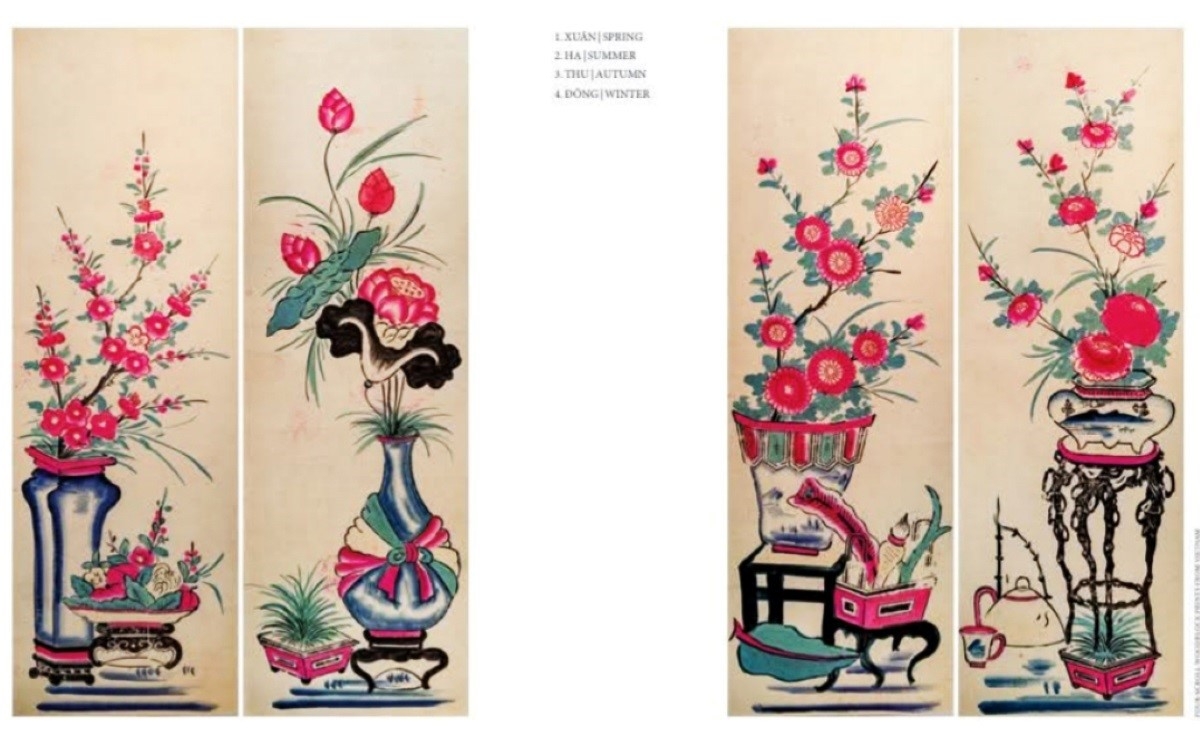
There are many different types of four-panel paintings, but they all share a common theme – the four seasons of the year: Spring, Summer, Autumn, and Winter. Spring is represented by flowers such as apricot blossoms, peach blossoms, and orchids, accompanied by auspicious birds, most commonly the peafowl. The classic motif is apricot blossom and bird. Summer features bamboo, lotus, rose, or pomegranate blossoms paired with a peacock, with rose and peacock being the best-known combination. Autumn is symbolized by chrysanthemums or hibiscus together with a rooster. Winter is represented by the pine tree paired with a crane, the classic motif.
"The painting set consists of four individual panels, which is why it is called Tu Binh, which means ‘Four Panels.’ The paintings celebrate the four seasons and are deeply rooted in Vietnam's folk art tradition. They convey blessings for a long life, lifelong marital happiness, the continuation of future generations, good fortune, health, prosperity, family harmony, and successful descendants," Meritorious Artisan Le Dinh Nghien said.
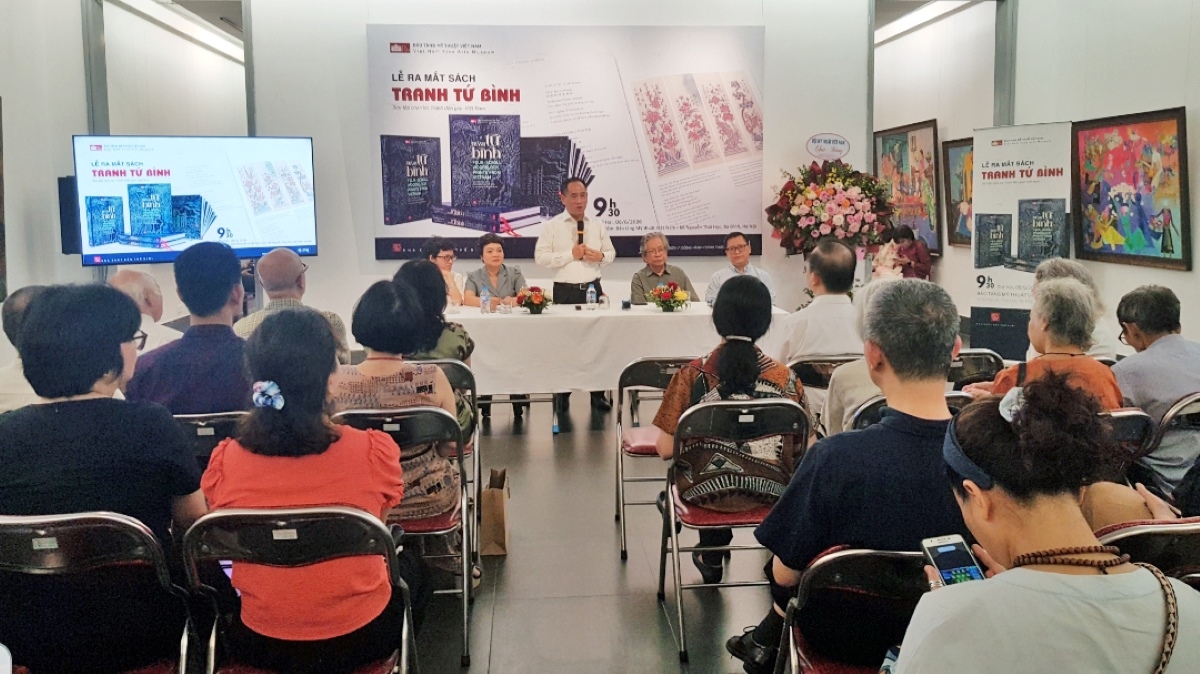
Four-panel paintings have traditionally been displayed to decorate homes during the Lunar New Year, welcoming the arrival of spring. Hung on walls or pillars, the paintings brighten the living space and create a festive atmosphere. Because they often adornpillars, four-panel paintings are typically produced in a vertical format. Their compositions are remarkably flexible and well balanced.
According to traditional feng shui principles, the paintings should be hung in the order of Spring, Summer, Autumn, then Winter to attract the greatest positive energy and good fortune. Since people in the past read Chinese characters from right to left, the Spring apricot blossom panel is placed on the far right, followed by Summer bamboo, then Autumn chrysanthemum, with Winter pine on the far left.
The most auspicious direction for displaying a four-panel set is facing south, and the ideal location is the living room or study. Each panel may be accompanied by a short poem or inscription expressing a sense of serenity and inner peace, reflecting the rhythm of nature, celebrating beauty, criticizing social vices and moral shortcomings, or conveying people's hopes and aspirations.
"Four-panel paintings embody human knowledge, emotions, and cultural values. That’s why they’re so precious and make such meaningful gifts," said painter and translator Trinh Lu.
In the past, people appreciated four-panel paintings through the East Asian literary tradition of homophonic wordplay. The word ‘binh’ means both ‘vase’ and ‘peace’. The two meanings are expressed by two different characters, but the two characters share the same pronunciation. Because of this dual meaning, seasonal flowers arranged in four elegant vases symbolize peace throughout the four seasons and convey a wish that the year will be harmonious and prosperous.
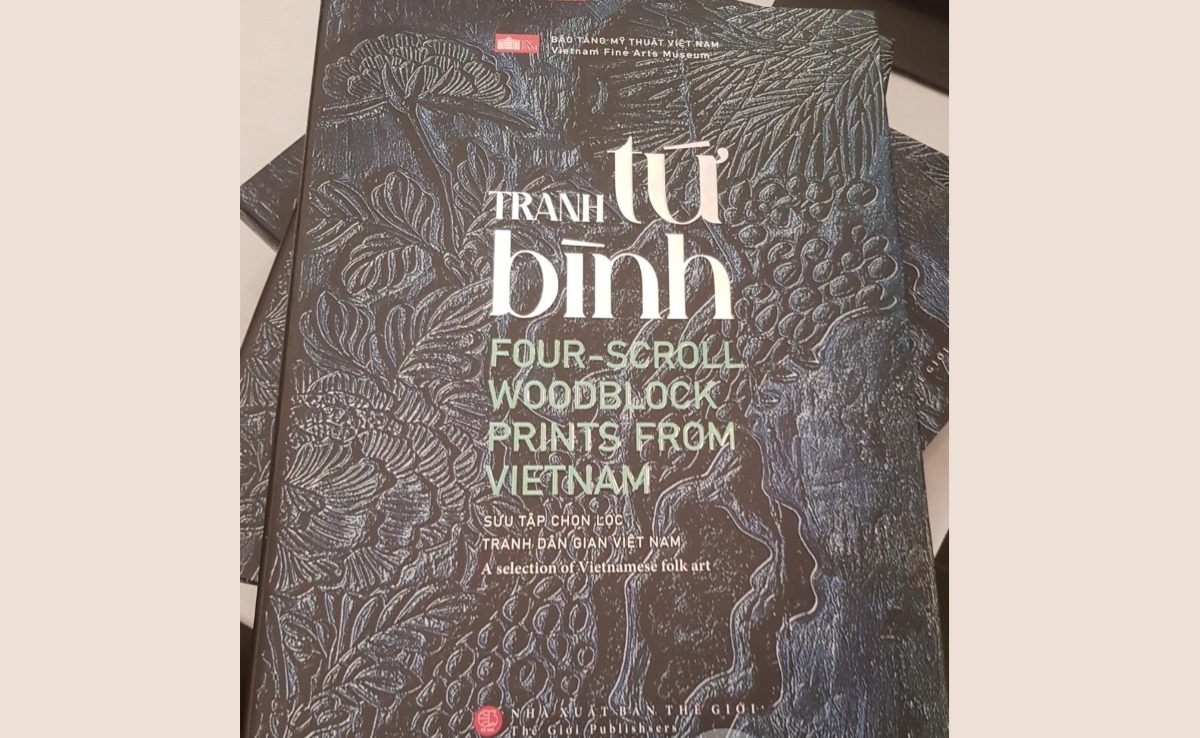
"The Museum currently has around 100 sets of four-panel paintings. They are an exceptionally rare and valuable form of Vietnamese folk art. Beyond their aesthetic appeal, they embody profound philosophies of life and convey important educational and humanistic values, celebrating compassion and love," said Dr. Nguyen Anh Minh, Director of the Vietnam National Museum of Fine Arts.
Today, the tradition of collecting and displaying four-panel paintings continues. The paintings are now produced not only on paper but on a variety of other materials, including ceramics, wood, and bronze. Regardless of the medium, they retain their symbolic meaning and enduring humanistic value.


