







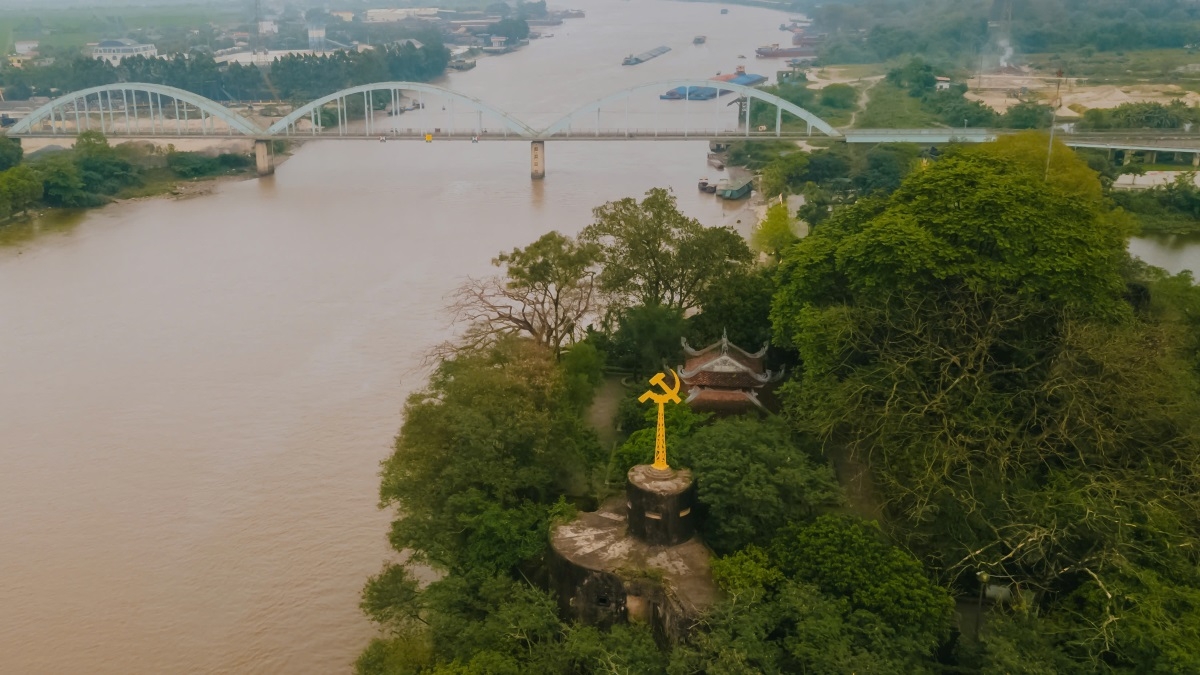
Non Nuoc mountain has 43 cliffside stone steles known as ma nhai (inscriptions carved directly into a natural rock surface) that date from the 14th to the 20th century. The inscriptions, which are written in Chinese characters, nom (Vietnamese demotic script), and modern Vietnamese script, include poems, literary works, and historical accounts written by monarchs, scholars, prominent figures, and poets from different periods.
One of the most notable works is the record of Linh Te pagoda on Duc Thuy mountain inscription, written by renowned scholar Truong Han Sieu and carved in 1343.
“Apart from their unique nature as inscriptions carved directly into stone, their historical significance, and the materials used, what stands out most is the information they contain and the messages they pass down to future generations. This is what UNESCO has recognized,” Dr. Vu Thi Minh Huong, Vice-Chair of UNESCO’s Memory of the World Committee for Asia and the Pacific, said.
With the recognition of the Non Nuoc Mountain Cliff Inscriptions, Ninh Binh has become the second locality in Vietnam to have all three categories of UNESCO-recognized heritage.
“We need to continue raising awareness and promoting these heritages to help Ninh Binh maintain its status as a heritage city and strengthen its appeal as a destination for domestic and foreign tourists,” said Dr. Huong.
According to Associate Professor Dr. Dang Hong Son, Vice-Rector of the University of Social Sciences and Humanities of Vietnam National University, Hanoi, Ninh Binh should promote this heritage by developing tourism routes connecting the Non Nuoc Mountain Cliff Inscriptions with attractions like Trang An, Hoa Lu, and Phu Day, and incorporating these sites into the province’s comprehensive development plan.
“We should not simply regard these inscriptions as a documentary heritage that needs to be preserved. We need to integrate them into modern society. Now that the inscriptions have been recognized as a heritage, we should move toward a broader process of heritage conservation and development, covering not only the inscriptions but also Non Nuoc mountain and surrounding areas. We’re considering creating a heritage park that could improve the modern urban area environment,” Son said.
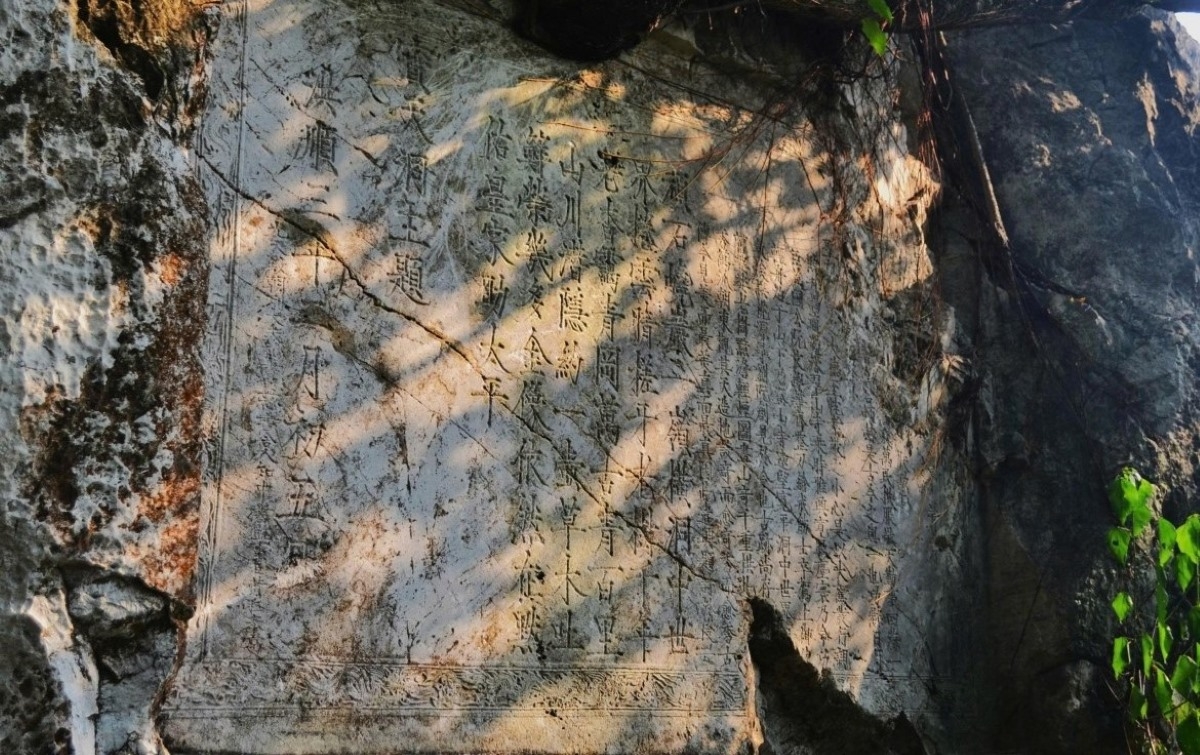
Because the Non Nuoc Mountain Cliff Inscriptions are located in a natural setting, Ninh Binh province plans to conduct research, consult experts, and develop a plan to manage natural disaster risks, respond to climate change, improve management, and raise community awareness. The province wants to protect the inscriptions, not only as Vietnam’s heritage, but also as part of humanity’s shared memory.
“We’ve made significant progress in managing, preserving, and promoting cultural heritage, as well as making the most of UNESCO recognition. We’ll continue to raise community awareness of heritage protection, and mobilize all available resources to promote our cultural heritage. Our goal is to treat heritage as a resource for sustainable development in line with UNESCO conventions and Vietnam’s development orientation,” Vu Thanh Lich, Deputy Director of the Ninh Binh Department of Culture and Sports, said.
To preserve the heritage and promote it for international economic cooperation and national development, Ninh Binh province plans to digitize the translations, stone rubbings, and 3D images of all the inscriptions to create a comprehensive archive. The province will translate these materials into English, French, and Chinese and strengthen cooperation with experts here and abroad.
“We need to closely link cultural preservation with sustainable tourism development, and make the Non Nuoc Mountain Cliff Inscriptions a must-visit destination on cultural diplomacy tours, particularly for visiting ambassadors, diplomatic delegations, and international business representatives. That will leverage our cultural strengths for attracting investment and developing high-end tourism,” Dang Thanh Son, Vice Chairman of the Ninh Binh Provincial People's Committee, said.


