








Publishing is a field of ideological and cultural activity involving the Party, the State, and the people. It is a powerful channel for spreading knowledge, culture, and positive values throughout society. By fostering creativity and learning, it raises public awareness, enriches cultural life, shapes social values, and supports the development of an educated and culturally grounded society.
“As a distinctive ideological and cultural institution, the publishing industry must not only embrace comprehensive innovation in technology and operating models, but also reinforce its mission of promoting knowledge, cultivating people, and strengthening society’s spiritual foundations. Building a modern, professional, and people-centered publishing sector is both an inevitable requirement and a strategic task for national development in the new era,” said Associate Professor Dr. Pham Minh Tuan, Chairman of the Vietnam Publishing Association and Deputy Editor-in-Chief of the Communist Review.
Vietnam's publishing industry is optimizing data, expanding creative spaces, and developing high-value products that contribute to the knowledge-based economy. Associate Professor Dr. Luu Van Quang, Vice Director of the Academy of Journalism and Communication, suggested measures to ensure that publishing remains a core component of the national knowledge-based ecosystem and is closely linked to the development of cultural industries and the digital economy.
“We need to accelerate digital transformation and develop publications that are more diverse and modern. Artificial intelligence, big data, and other emerging technologies should be gradually integrated into all stages of the publishing process. It is also important to build a diverse, multimedia publishing system and create digital content value chains that enhance economic efficiency,” said Quang.
“We must also promote Vietnamese cultural and intellectual values in the digital space. The goal is to build a professional, modern, and human-centered publishing industry that better serves readers while strengthening the soft power of Vietnamese culture.”
Vietnam aims for all publishers to operate digitally by 2030. This means that every publishing house will fully embrace digital transformation, shifting to multimedia publishing platforms and integrating artificial intelligence (AI) and big data into their operations.
At the same time, 80% of printing facilities are expected to reach modern technological standards. This includes upgrading printing technologies, transforming the sector into an advanced supporting industry that adopts digital standards and environmentally friendly practices.
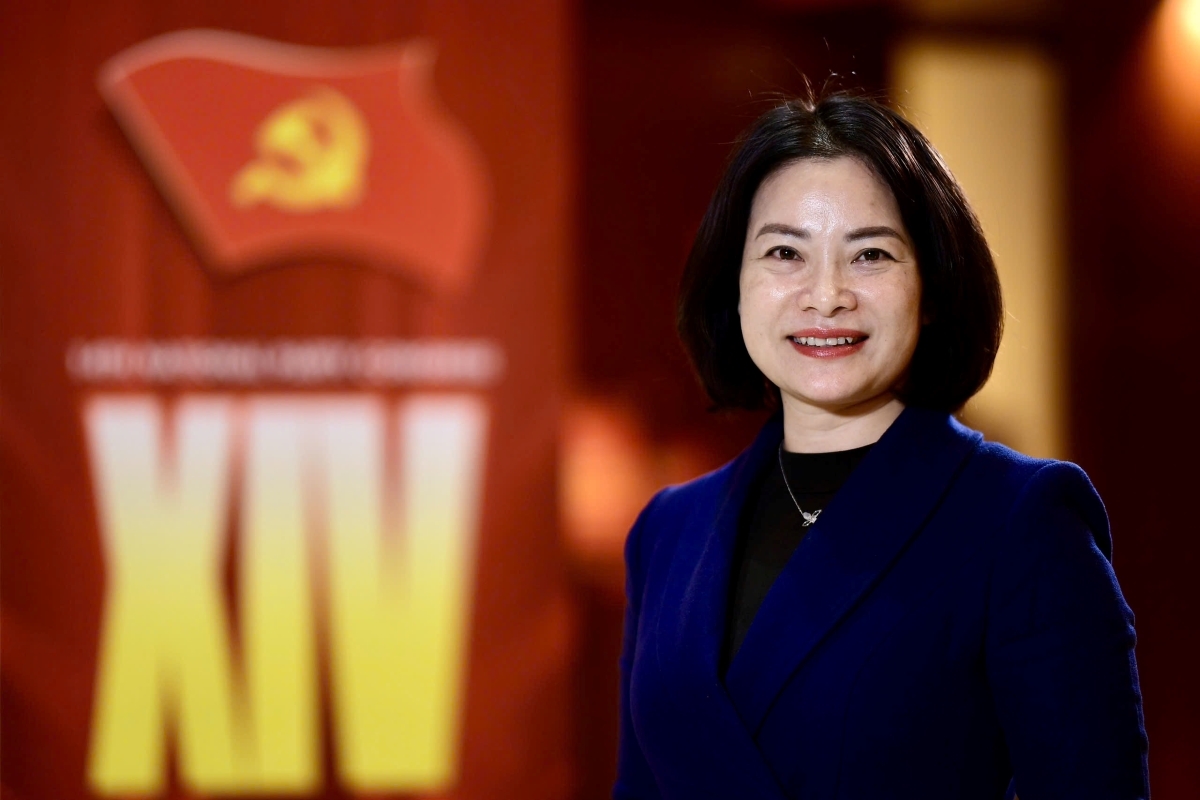
“First, we are considering establishing several key publishing and media groups, which are expected to integrate member units involved in producing a wide range of content and products. This would enable content to be distributed across multiple platforms, creating interconnected content ecosystems with broad reach and influence. By 2030, the publishing sector will also strengthen international cooperation with countries and leading cultural institutions around the world,” said Nguyen Thi My Linh, Deputy Director of the Press and Publishing Department of the Party Central Committee’s Commission for Communication, Education and Mass Mobilization.
Alongside promoting Vietnam’s image, people, and cultural values to global audiences, the industry will expand copyright exchanges and encourage bilingual publishing to bring more Vietnamese books to international readers. At the same time, it will continue to selectively adopt valuable knowledge and cultural achievements from around the world. Publishing is no longer viewed solely as a cultural activity, but also as an integral part of the cultural industries and the digital economy, Linh said.
“Publishing should be regarded as a content industry capable of creating high added value. Every publication carries cultural values and is considered an economic asset and a form of intellectual property. It forms part of a value chain that spans content creation, cultural development, and direct contributions to national economic growth. Publishing also serves as a key source of content for a wide range of cultural products, including newspapers, magazines, radio and TV programs, films, games, and other forms of digital content. In this way, publishing creates a flexible and highly interactive space for the consumption of knowledge and culture,” Linh said.


