







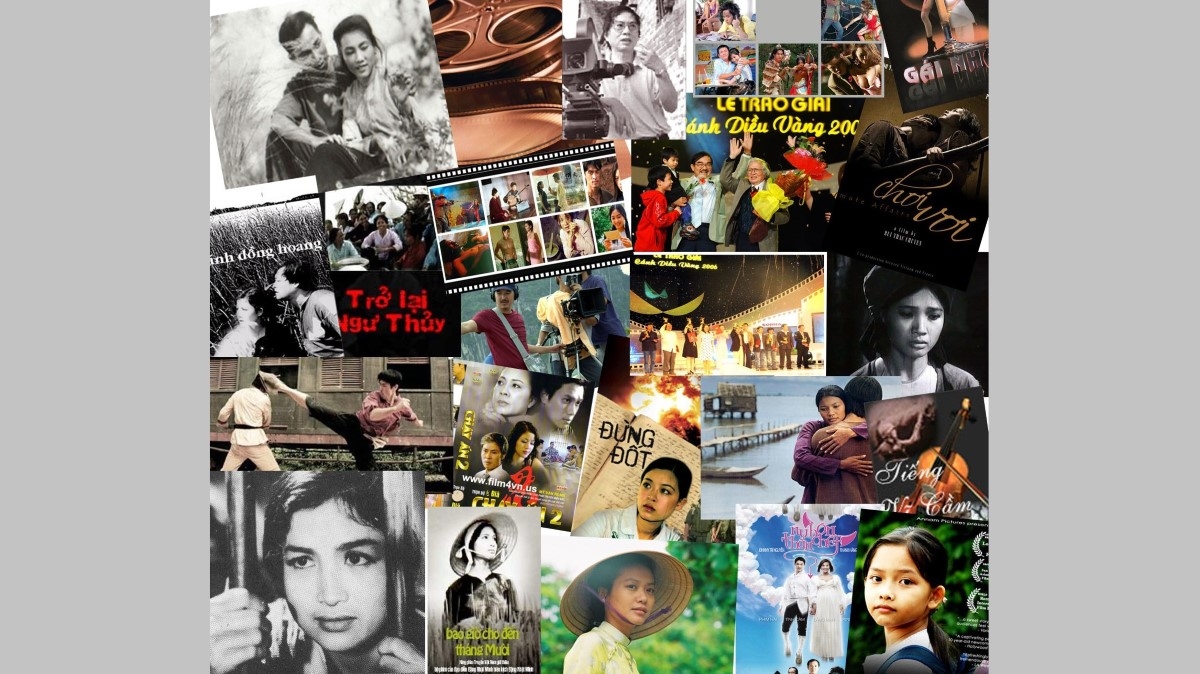
Proactive international promotion not only provides opportunities to showcase Vietnam’s landscapes, people, and increasingly professional filmmaking capabilities, but also marks an important step toward building networks of international partners and fostering global cooperation.
Vietnamese cultural identity is expressed not only through landscapes, traditional costumes, and customs, but also through the ways people love, sacrifice, and deal with loss. The film When the Tenth Month Comes illustrates how personal stories can capture emotions that resonate with people everywhere.
However, cultural identity continues to evolve. Each generation has its own perspective on the lives of its people and the country. Young filmmakers should have the freedom to tell stories in their own voices, offering fresh insights into a changing Vietnam. Therefore, preserving cultural identity also means encouraging creativity and artistic expression. International cooperation can play an important role in supporting this process.
According to Dr. Ngo Phuong Lan of the Vietnam Association for Film Promotion and Development, Vietnam and other Asian countries share many experiences that can serve as a foundation for cultural exchange and collaborative storytelling. Vietnam has a strong domestic film market, but its international presence remains limited, she said.
“I believe greater cooperation among countries in the region would be highly beneficial. Through joint film productions, we can narrow the gaps in technology, technical expertise, creative perspectives, and filmmaking skills. International partners would have the opportunity to explore and better understand Vietnam, while we could also gain valuable knowledge and experience from them. This exchange would encourage mutual learning and open up new opportunities for growth,” said Lan.
Recently, Sai Pro acquired the distribution rights to director Bui Thac Chuyen’s film Tunnels: Sun in the Dark for release in Japan. They also proposed exchange programs for Vietnamese and Japanese film producers to foster mutual understanding and create more opportunities for collaboration.
This underscores the importance of Vietnam’s film industry gaining a deeper understanding of international markets, including Japan, across both the commercial and arthouse sectors, to better identify and engage target audiences.
“I have met many talented filmmakers in Vietnam who have shown me their impressive works. I hope that in the future we can exchange ideas, develop new projects, and explore opportunities to produce films together,” said Noriko Yuasa, a Japanese film director and producer.
When international film crews choose Vietnam as a filming location, the benefits to local communities extend beyond revenue from accommodation, transportation, logistics, and local employment. Such productions can also create long-term benefits through film-induced tourism.
Vietnam has many destinations with the potential to attract international film productions, and Quang Ninh is one. The province offers a variety of natural and urban settings – beaches, islands, limestone mountains, urban areas, and border regions.
Ha Long Bay, in particular, has appeared in several international films, notably Indochine, which won the Academy Award for Best Foreign Language Film in 1993, and the Hollywood blockbuster Kong: Skull Island.
More recently, in January 2026, the Bollywood film Silaa, with a production crew of nearly 100 people, also chose Ha Long Bay and Tuan Chau as filming locations.
Quang Ninh is among the Vietnamese localities included in the Production Attraction Index (PAI), which provides information on filming locations and production conditions.
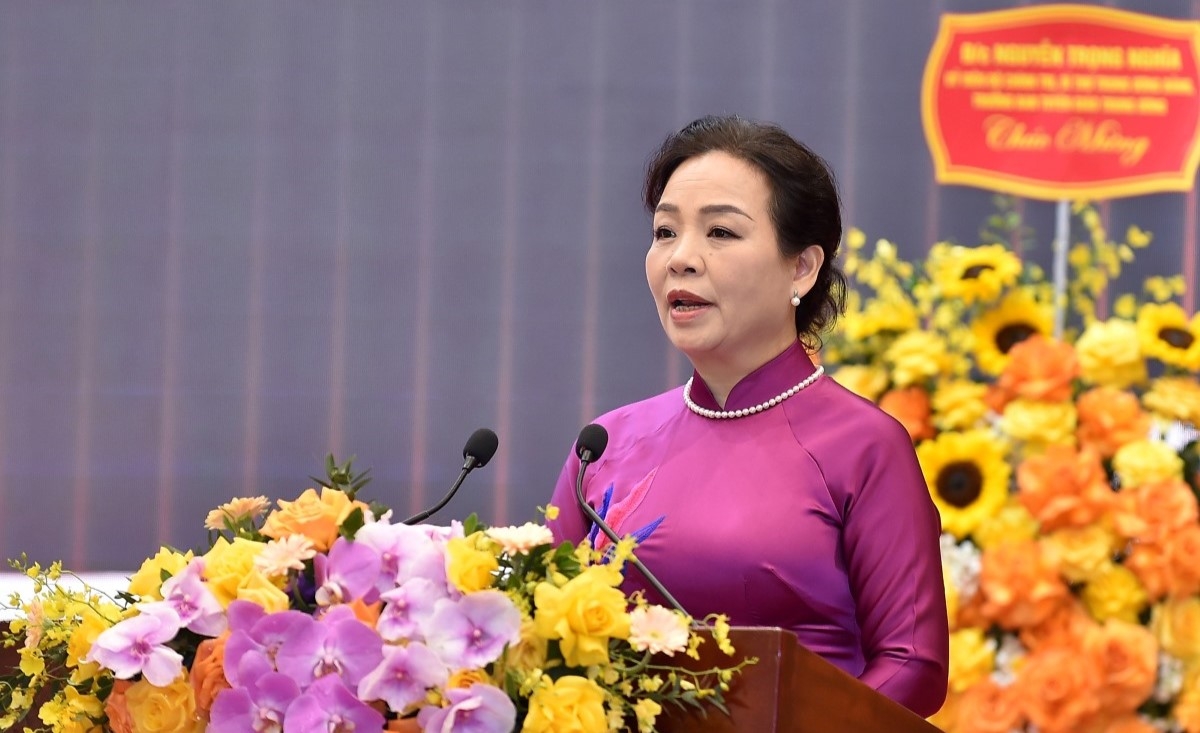
“Quang Ninh is blessed with outstanding natural beauty, particularly its two World Heritage sites, Yen Tu and Ha Long Bay. Alongside these natural attractions are its rich culture and people, reflecting unity in diversity within the Red River civilization,” said Nguyen Thi Hanh, a member of the Standing Committee of the Quang Ninh Party Committee and Head of its Commission for Publicity and Education.
“We hope to attract renowned filmmakers, directors, and actors to choose Quang Ninh as the setting for their productions and create compelling films. Through these films, we aim to further promote the city's potential and strengths to audiences around the world,” she added.
Bringing Vietnamese cinema to international audiences involves showcasing the beauty and unique characteristics of Vietnamese culture while telling stories that evoke universal emotions and resonate with viewers around the world.


