



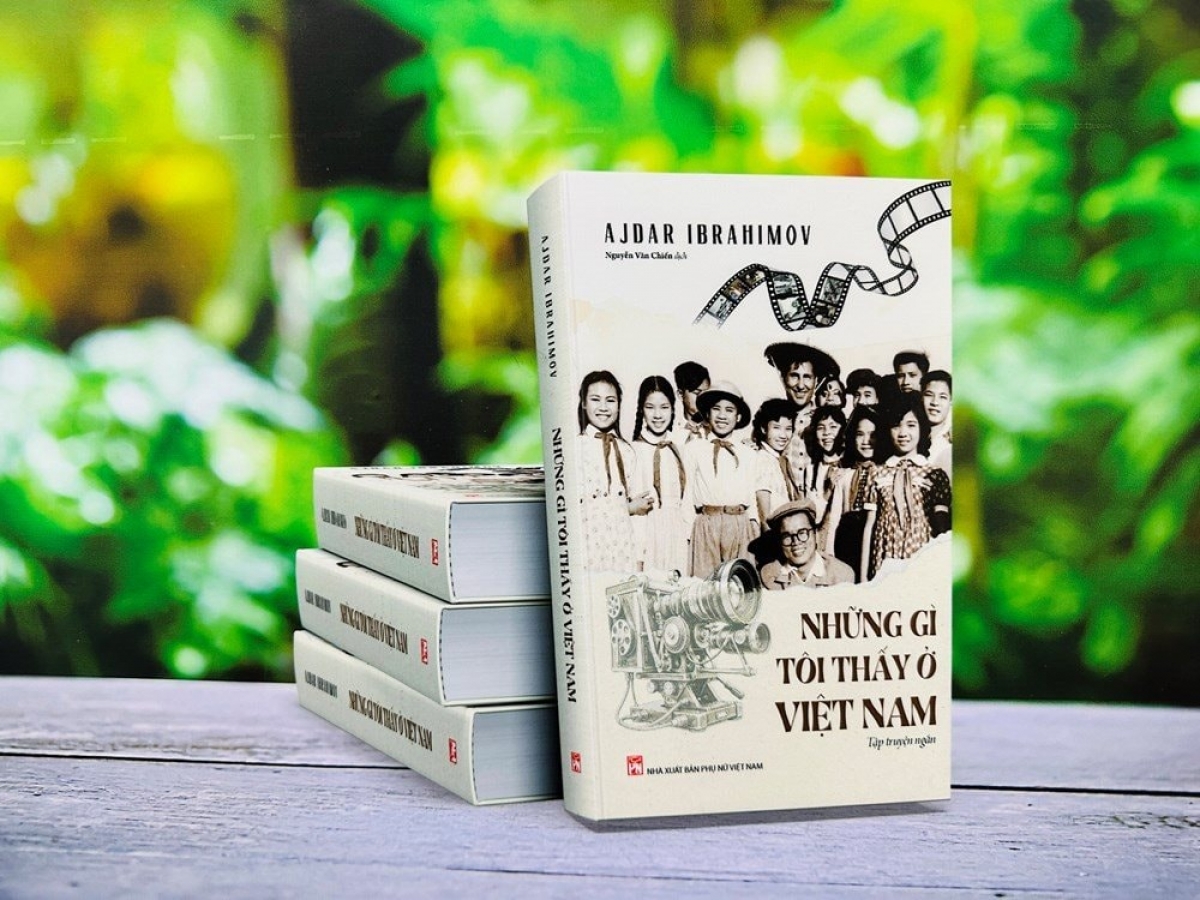
The book has recently been translated into Vietnamese for the first time, introducing local readers to Ibrahimov’s reflections on Vietnam during one of the nation’s most defining historical periods.
Between 1959 and 1962, Ibrahimov lived and worked in Vietnam, documenting the resilience of ordinary Vietnamese people, their longing for peace, and the spirit that carried them through wartime hardship. Though widely known as a pioneer of revolutionary cinema, Ibrahimov also possessed a deeply personal literary voice, shaped by his cultural background and life experiences.
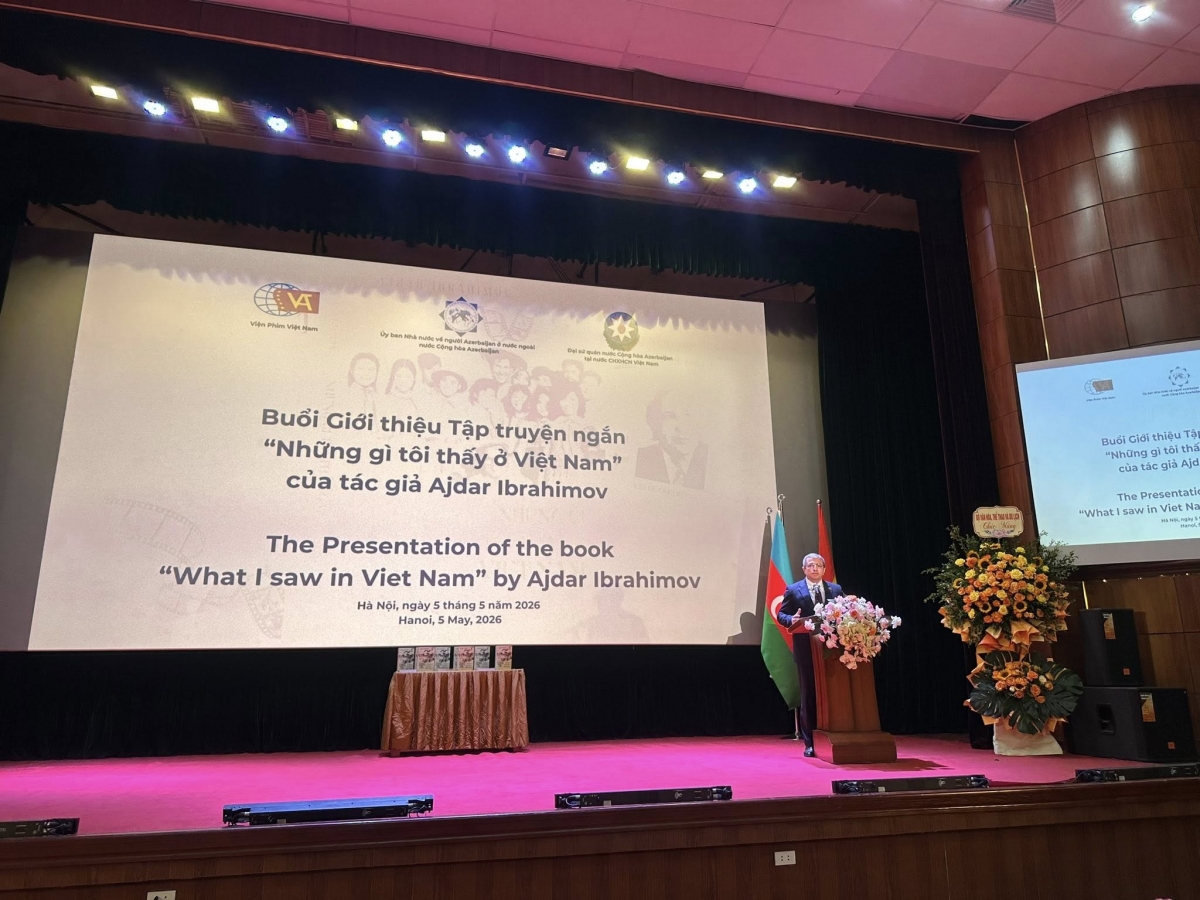
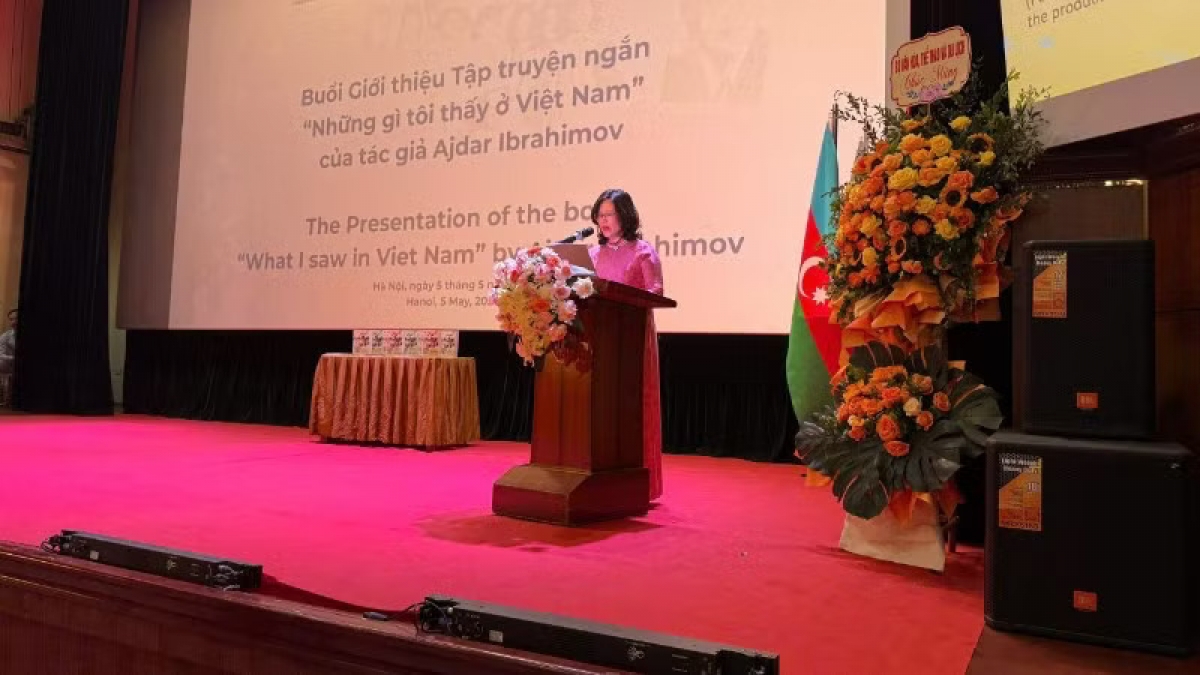
The Vietnamese edition was launched in Hanoi earlier this month at an event oganized by the State Committee for Work with the Diaspora of the Republic of Azerbaijan, the Azerbaijani Embassy in Vietnam, and the Vietnam Film Institute.
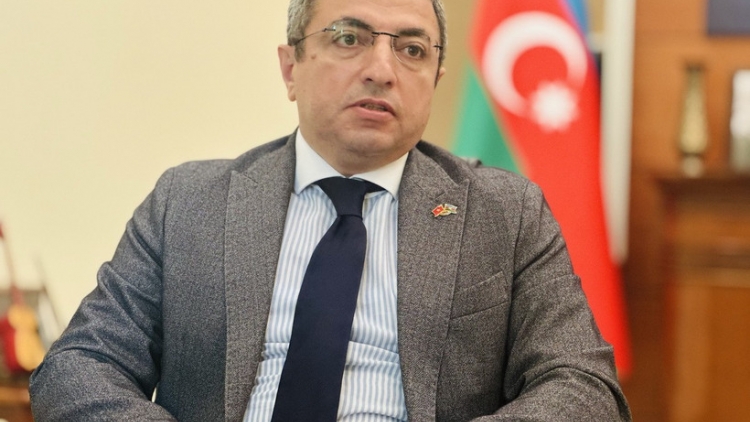
Speaking at the event, Azerbaijani Ambassador Shovgi Kamal Oglu Mehdizade highlighted Ibrahimov’s close emotional connection with Vietnam.
“During his time in Vietnam, he had the opportunity to travel with President Ho Chi Minh to many regions to film documentaries and learn about local life. He was very interested in recording the customs, practices, and traditions of the Vietnamese people. These experiences made him feel a close connection to Vietnam, as he recognized many similarities between the Azerbaijani and Vietnamese people, especially their love for their homeland and family,” Ambassador Shovgi said.
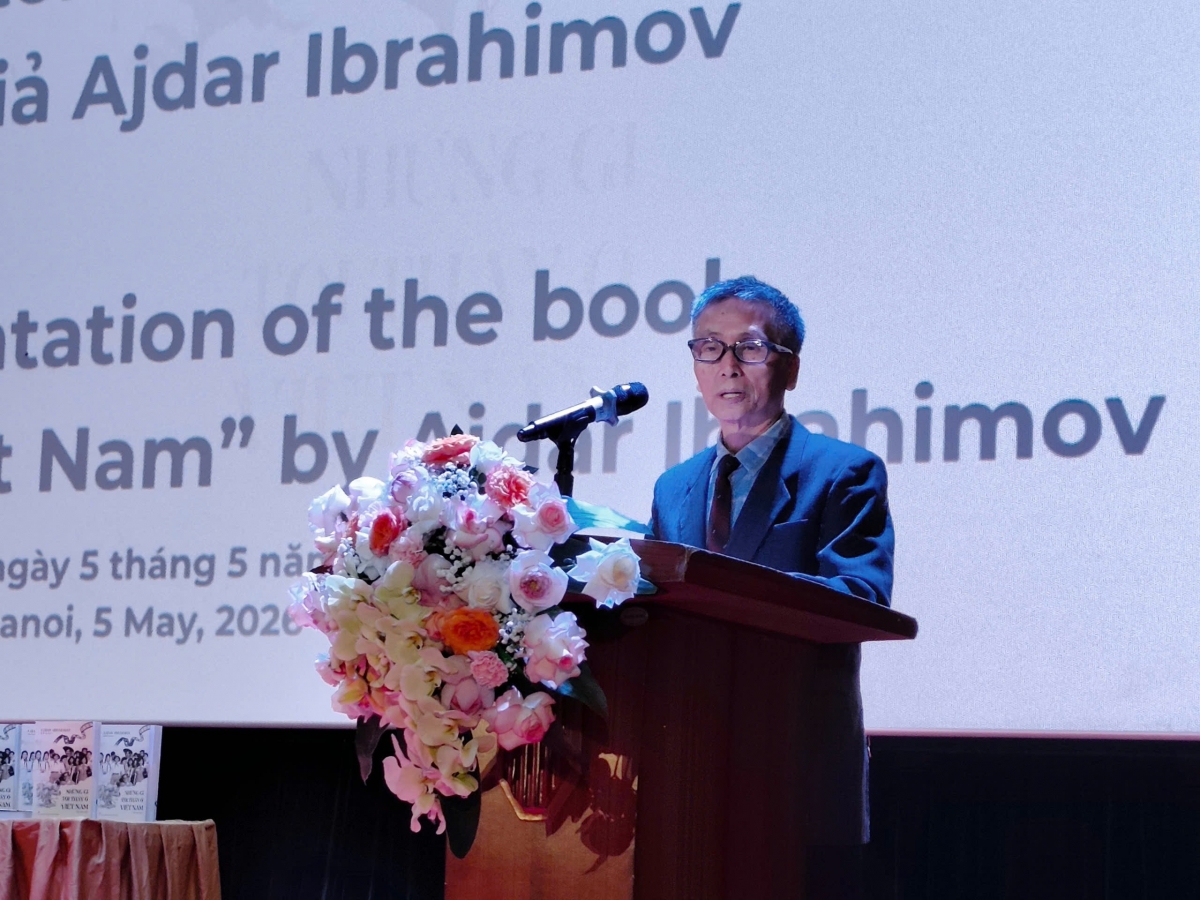
Translator Nguyen Van Chien said the greatest difficulty in translating the book was not linguistic, but rather preserving Ibrahimov’s distinctive artistic perspective and emotional depth.
“In literature, creative individuality is extremely important. Ibrahimov had a very distinct voice shaped by his Azerbaijani background, his Muslim identity, and his life experiences. His reflections on Vietnam were therefore very different from those of Russian writers,” Chien told VOV, adding “Ibrahimov often drew connections between Vietnam and the deserts, seas, and landscapes of Azerbaijan. Through that perspective, we can feel the depth of a philosopher, a working man, and someone who deeply understood the struggle of a nation fighting against imperialism.”
Ibrahimov also played an important role in the development of Vietnamese cinema beyond literature. When he arrived in Vietnam in 1959, Vietnam’s film industry was still in its early stages. Trained at the prestigious All-Union State Institute of Cinematography, Ibrahimov helped lay the foundations for modern Vietnamese filmmaking.
Vietnam Film Institute Director Le Thi Ha said Ibrahimov made lasting contributions as an educator and mentor.
“Ibrahimov personally guided three graduation films of the first class of the Vietnam Film School: The Flowerpecker, Two Soldiers, and An Early Autumn Day. Under his guidance, The Flowerpecker and Two Soldiers won awards at the 1962 Karlovy Vary International Film Festival in Czechoslovakia, bringing Vietnamese cinema to the attention of international audiences,” Ha noted.
Ibrahimov’s artistic philosophy left a lasting influence on generations of Vietnamese actors and directors, including legendary actress Tra Giang. For his contributions to Vietnamese cinema and culture, he was awarded Vietnam’s Labor Order, in addition to major artistic honors from the former Soviet Union and Azerbaijan.
More than half a century after its original publication, "What I Saw in Vietnam" continues to resonate as a historical document and a testament to the enduring friendship between Azerbaijan and Vietnam. Readers may also look forward to future Vietnamese translations of Ibrahimov’s other works, including The Blazing Sun and The Cinematic Art of the Resilient Vietnam.