







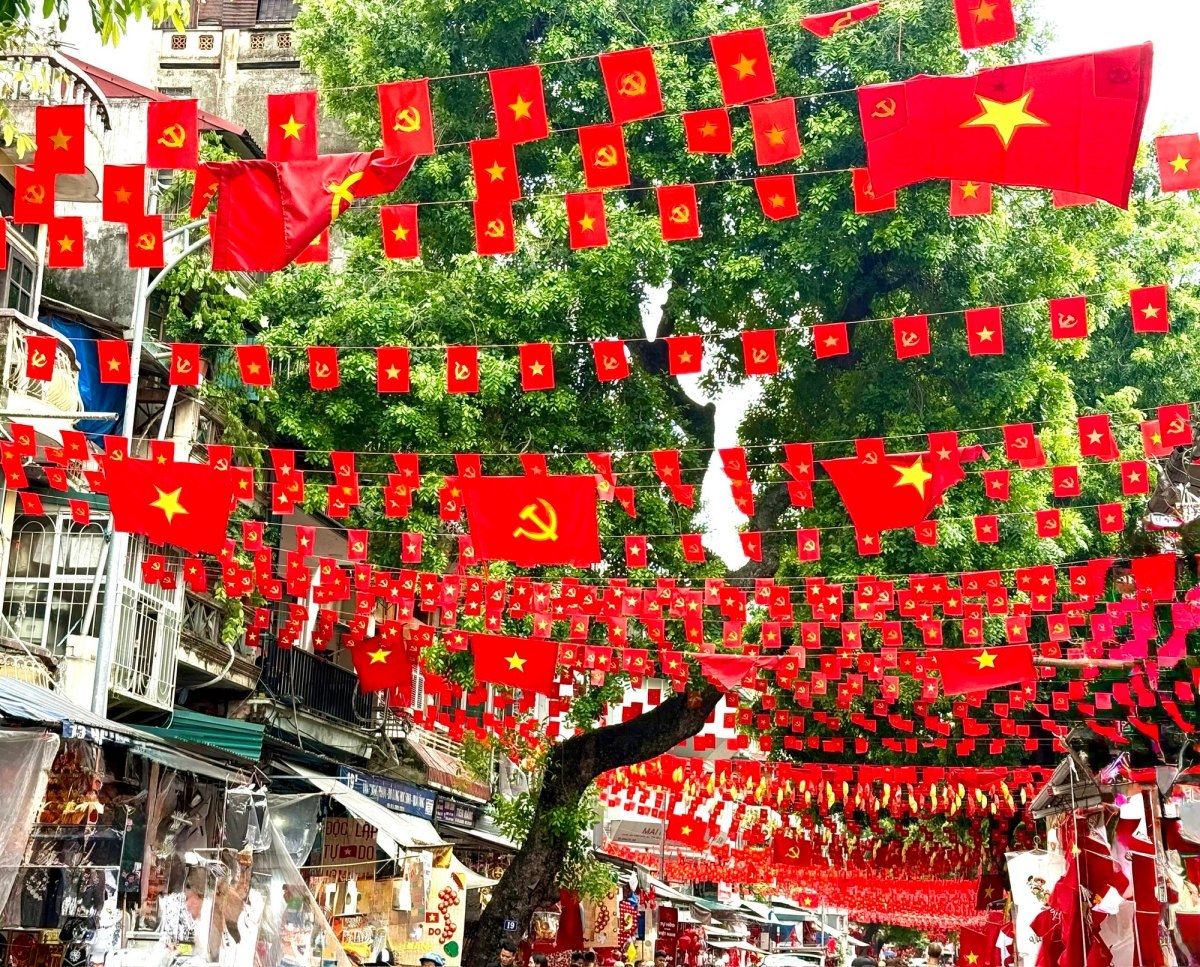
The Great Spring Victory of 1975 was the result of the Vietnamese people’s just, comprehensive struggle for national liberation and defense. It is a triumph of Vietnamese willpower, resilience, and intellect. The Vietnamese people stood united in resistance to unify the country and protect independence, sovereignty, and territorial integrity.
With peace comes everything
Vietnam has gone through decades of hardship to achieve the peace it enjoys today, a peace for which generations of Vietnamese sacrificed their lives.
More than 50 years after national reunification and living in peace, Vietnamese people have achieved remarkable development. From a war-torn country with a closed economy, Vietnam has emerged as an economy with the highest trade openness in the world. Its economic size ranked 32nd globally in 2025. The gap in per capita income between Vietnam and other countries in the region has narrowed significantly. Vietnam has established strategic, comprehensive strategic and comprehensive partnerships with dozens of countries, including all five permanent members of the United Nations Security Council.
Thanks to its peaceful environment, Vietnam has been an attractive destination for foreign investors, a base for major global technology corporations, and a yearly destination for millions of international tourists.
Economic growth and social security have been strengthened. The Party and the State have introduced policies such as tuition-free public education from preschool to upper secondary school, and free periodic health check-ups for citizens at least once a year.
According to the 2025 Global Peace Index released by the Australia-based Institute for Economics and Peace (IEP), Vietnam ranked 38th out of 163 countries and territories. It is also among the world’s 62 most peaceful countries, top 10 in Asia, and top 3 in Southeast Asia.
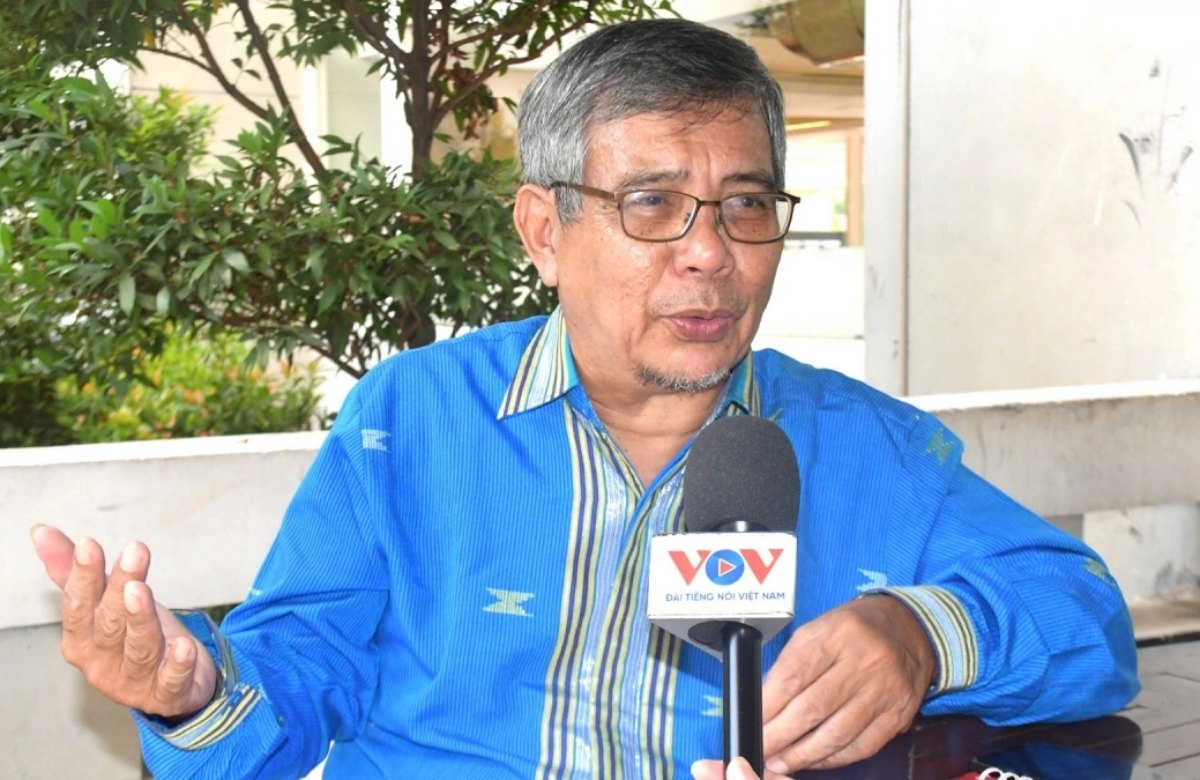
Journalist Anthony, former editor of Indonesia’s Antara News Agency, commented: "The international community has witnessed and recorded 30 years of Vietnam's economic reform journey called Doi Moi since its inception in 1986. From a backward country to 90% of the population working in the agricultural sector to one of the most dynamic economic powers in Asia. Vietnam has also escaped political and economic isolation to develop foreign relations, expand international integration, deepen bilateral relations, regional and multilateral."
Steering the nation forward
Vietnam is looking ahead to 2045, the 70th anniversary of national reunification and the 100th anniversary of the nation’s founding, with the goal of becoming a developed, high-income country. This is not just an economic target but an aspiration for national stature, competitiveness, and a stronger position in the global economic order.
World economic history shows that successful countries share the view that institutional reforms must be strong enough to build trust and long-term investment momentum; industrial strategies must be well-targeted; and domestic enterprises must be capable to accumulate technology and lead value chains. Their shared foundation lies in the disciplined accumulation of internal capacity.
For the Vietnamese people, patriotism is not only about celebrating independence, but also about continuous efforts in learning, working, innovating, raising per capita GDP, narrowing development gaps, creating jobs, enhancing social welfare, and elevating national standing.
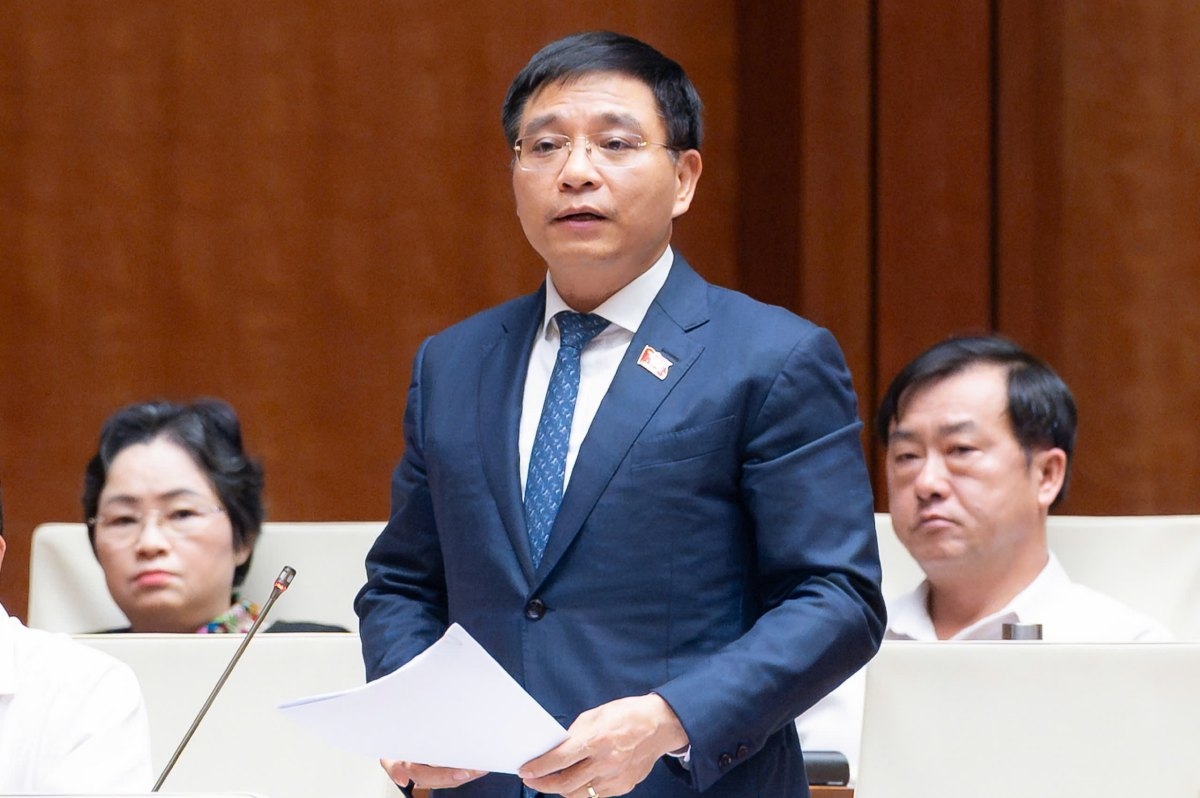
During a socio-economic discussion as part of the first session of the 16th National Assembly earlier this month,
Deputy Prime Minister Nguyen Van Thang said: “Sustained high growth can only be achieved based on macroeconomic stability. So, the Government continues to identify macroeconomic stability as a fundamental prerequisite. Renewing the growth model must be pursued vigorously. Secondly, we must fully tap into the country’s potential, especially through investment in science, technology, innovation, and digital transformation. Thirdly, we must promote the role of all economic sectors on the basis of fair competition and value chain linkages. The Government is decisively advancing targeted and effective expansionary fiscal policies, leveraging domestic resources alongside external financing to drive growth.”
51 years after peace was restored, Vietnam is entering a new era in which strong reforms in institutions, governance, and state organization are opening the door to a prosperous future.
Decisive and concrete actions by the entire political system in renewing thinking, reforming institutions, and building a transparent and enabling environment for innovation and development are underway.
The persistent efforts of every citizen in work, study, and creativity will make the goal of becoming a developed, high-income country by 2045 a reality. That goal is also a promise to the past generations that their sacrifices will be honored with a bright future for the nation.


