







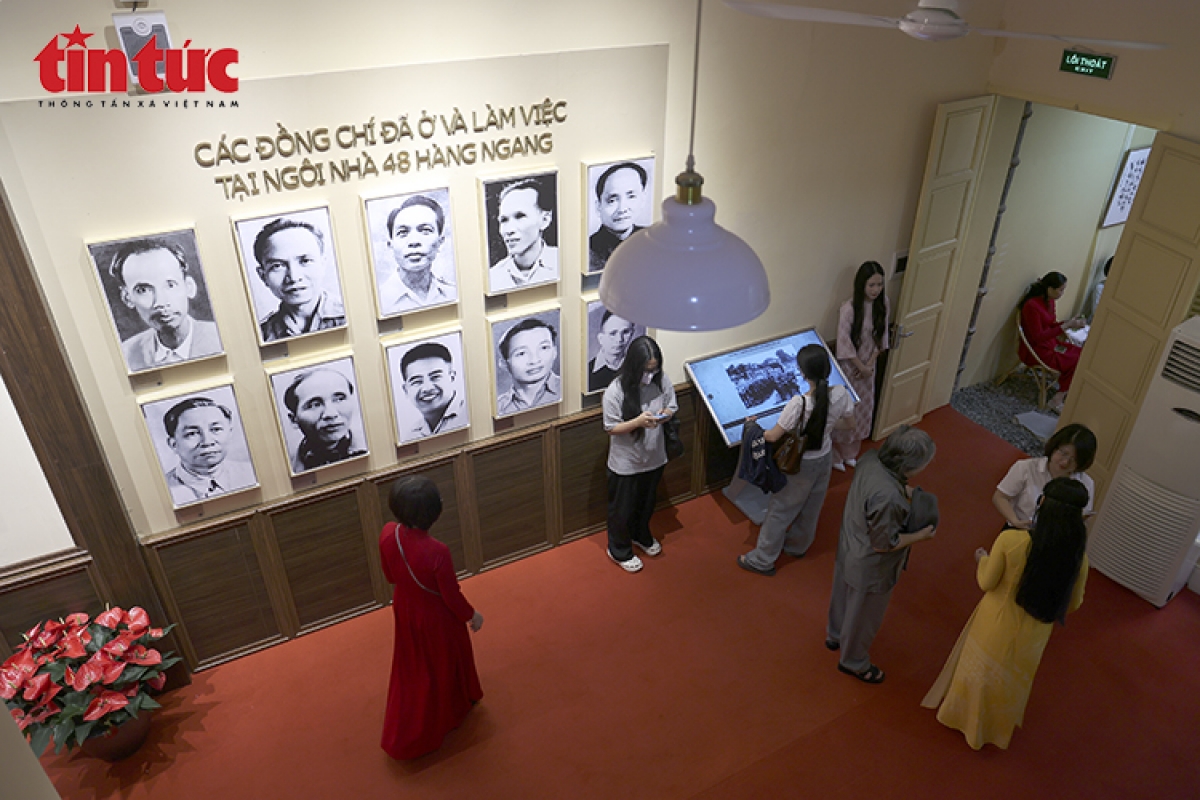
At the historical relic site at 48 Hang Ngang Street in Hanoi, where President Ho Chi Minh drafted the Declaration of Independence in 1945, technology is being integrated alongside traditional exhibition.
In addition to the display of original artifacts, mapping projection technology is used to recreate the atmosphere of the historical site, while virtual reality (VR) reconstructs the setting of Hanoi during the August Revolution of 1945. Hologram technology is also being used to present archival materials and manuscripts in a more vivid and accessible way.
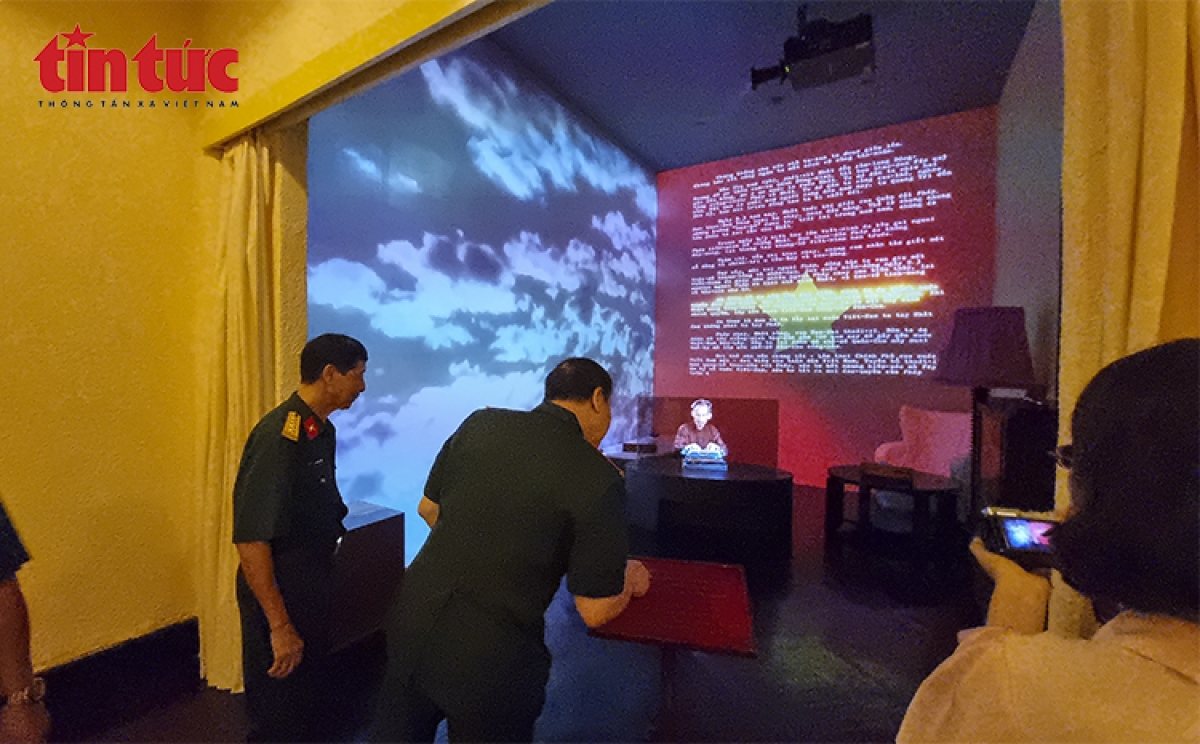
The combination of digital data, lighting, and sound has helped bring historical stories to life, allowing visitors to engage with history in a more emotional and immersive manner. Ngo Thi Minh Tam, a staff member at the 48 Hang Ngang historical site, said: “Hologram and mapping projection technologies recreate the atmosphere of the historic August Revolution and President Ho Chi Minh’s reading of the Declaration of Independence at Ba Dinh Square. Combined with sound, lighting, and vivid imagery, these technologies help visitors feel as though they are reliving those historic days.”
In addition to application at historical relic sites, technology is also reshaping the way heritage is experienced in many cultural spaces in Hanoi.
A 3D mapping show at the Doan Mon Gate has recreated the glorious history of the ancient Thang Long Imperial Citadel.
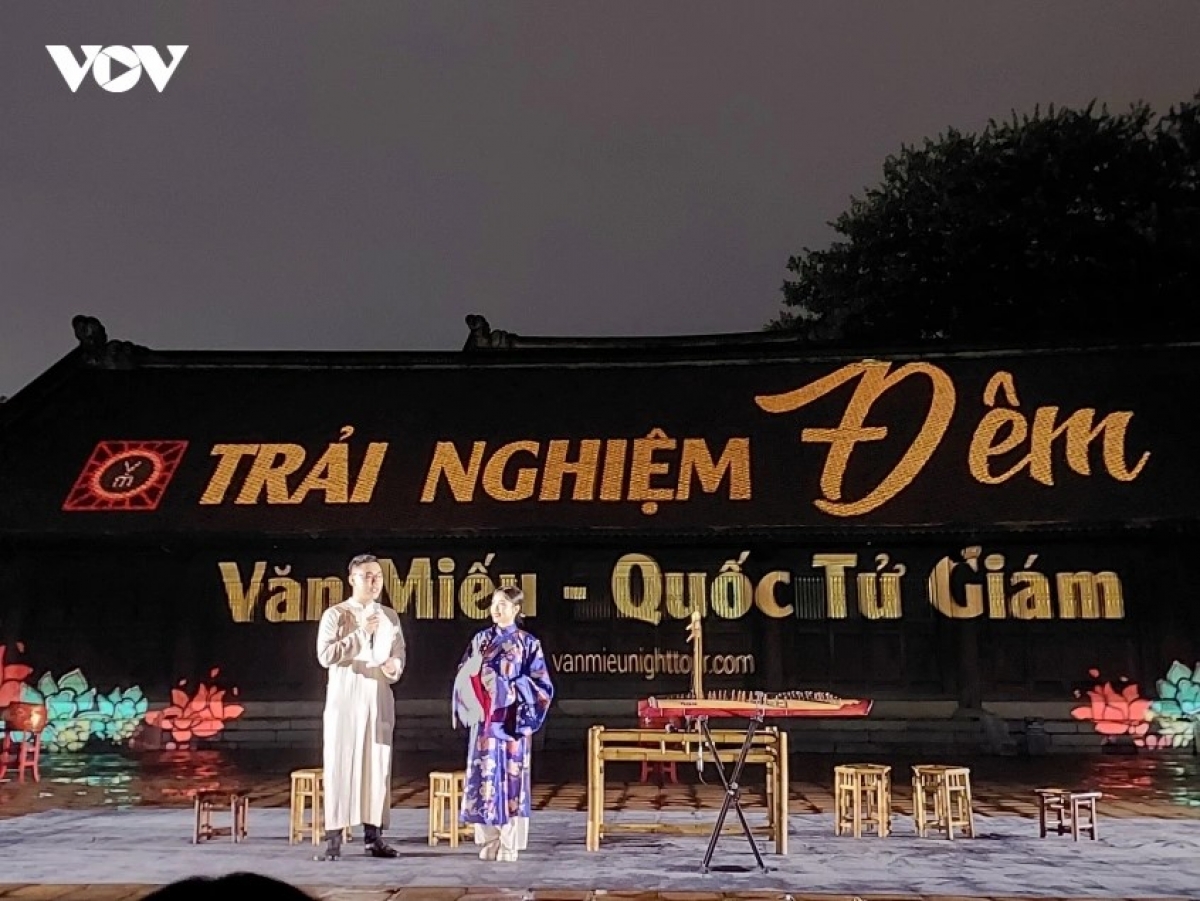
Meanwhile, the “Night Tour of the Temple of Literature” offers visitors a fresh perspective on the historic complex. Architectural structures and heritage spaces become more striking and radiant while still preserving their solemnity and elegance, especially through the 3D mapping performance themed “The Quintessence of Education.”
Nguyen Thanh Tung, communications officer for the “Night Tour of the Temple of Literature” program, said: “The tour creates a fusion between tradition and modernity through traditional musical performances and two 3D mapping films projected directly onto the courtyard and roof of the Thai Hoc house. Through sound, imagery, and symbolic visuals, the program retells the stories that shaped the essence of Vietnamese scholarship in a language that today’s audiences, especially young people and international visitors, can connect with more easily.”
From traditional exhibition spaces, Hanoi’s heritage sites are gradually being transformed into attractive destinations within contemporary cultural life. Beyond simply preserving artifacts, digital transformation is opening up new approaches that make heritage more vivid, accessible, and engaging for the public.


