


The new UN Secretary-General will begin their term on January 1, 2027, succeeding Antonio Guterres of Portugal, who has held the position since 2017.
The four candidates
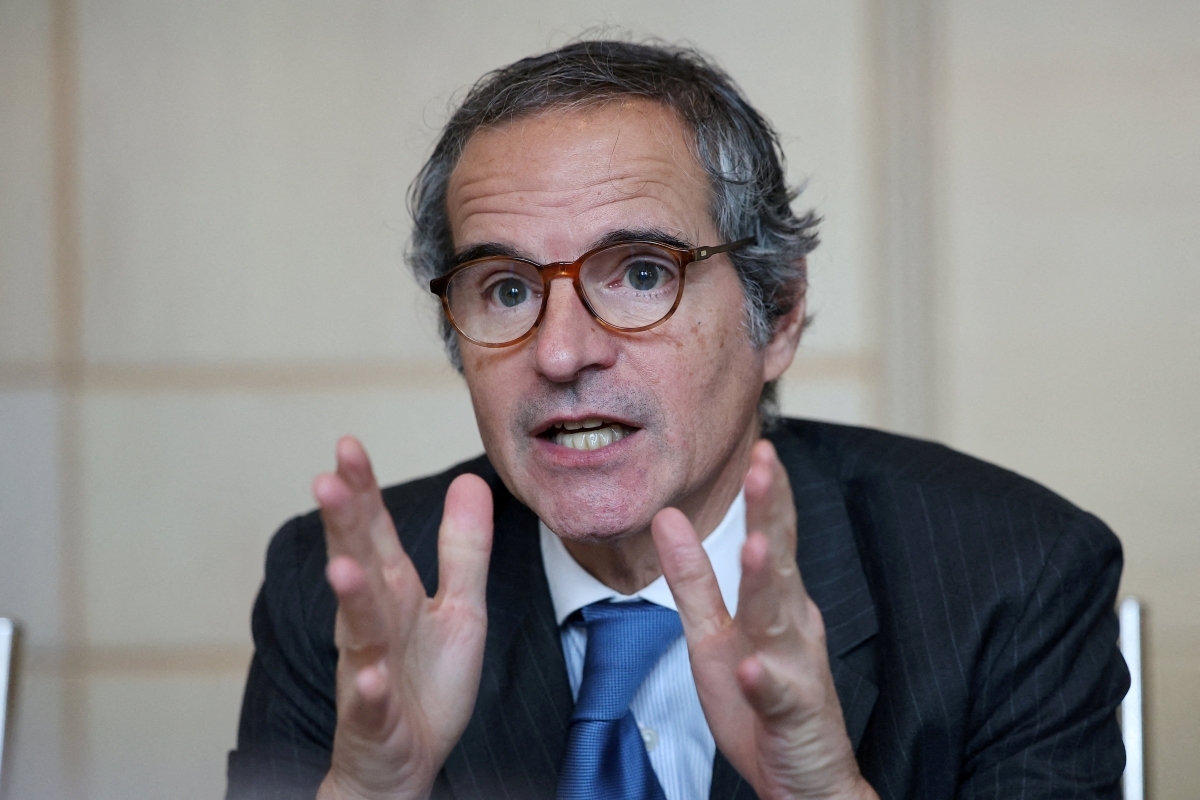
On November 25, 2025, Sierra Leone, then President of the UN Security Council, and Ms. Annalena Baerbock, President of the 80th session of the UN General Assembly, sent a letter asking the UN’s 193 member states to nominate candidates by April 1, 2026. Four candidates have been nominated: Ms. Michelle Bachelet, former President of Chile; Mr. Rafael Grossi, the Argentinian Director General of the International Atomic Energy Agency; Ms. Rebeca Grynspan, the Costa Rican Secretary-General of the UN Conference on Trade and Development (UNCTAD); and Mr. Macky Sall, former President of Senegal.
Traditionally, the UN Secretary-General position is rotated among regions. In theory, the post should go this time to a candidate from Latin America. Therefore, Michelle Bachelet, Rafael Grossi, and Rebeca Grynspan are considered to have an advantage over Macky Sall, who is from Africa.
However, observers say recent global developments may render that informal rule less relevant. Antonio Guterres, a Southern European, was selected in 2016 despite expectations that a candidate from Eastern Europe would get the role.
The UN is facing its most serious challenges in decades – internal divisions, a shrinking role in global peace and security, and demands for institutional reform and financial constraints. The selection of the next Secretary-General is more likely to be influenced by those factors than by traditional considerations.
For that reason the UN is seeking to renew its leadership selection process. The hearings this week will be livestreamed on digital platforms so member states can hear and question the candidates.
Annalena Baerbock, the current General Assembly President, said: “This next Secretary-General should provide strong and dedicated effective leadership skills with experience in governance structures, but also with regard to United Nations, with regard to management skills of this institution in the light of the reforms.”
One factor influencing this race is growing pressure for the UN, after more than 80 years and nine male Secretaries-General, to select a female leader to reflect growing gender equality in global institutions.
A test for multilateralism
In their campaign statements ahead of the hearings, all four candidates have focused on the UN’s most pressing challenges, particularly the need to reform the organization to enhance its role in a rapidly changing world. Rafael Grossi said: “Observing what is happening around the world, we can clearly see the signs of our era – conflicts, geopolitics, and geostrategic tensions – which are common to all nations. There has been a brutal return of war in all forms and manifestations everywhere on Earth.”
All four candidates agree on the need to restore international confidence in the UN’s role. Each proposes different priorities, including UN reform, better balance between financial and humanitarian obligations and resources, giving developing countries a stronger voice, and using technology to make the UN more credible and engaging to younger generations.
Observers say this election will be a referendum on multilateralism. The view is reflected in the level of attention member states and the public are giving it, as well as in the actions of the five permanent Security Council members—the US, the UK, France, Russia, and China.
In previous elections, those five permanent members have played a decisive role in selecting the Secretary-General. That’s unlikely to change this year despite efforts to expand the role of the General Assembly and increase transparency, so compromise will once again be a key factor. But the Russia-Ukraine conflict, trade disputes, and geopolitical competition will make finding an acceptable compromise a tough challenge. If a deadlock occurs, the UN and global multilateralism will likely be weakened.