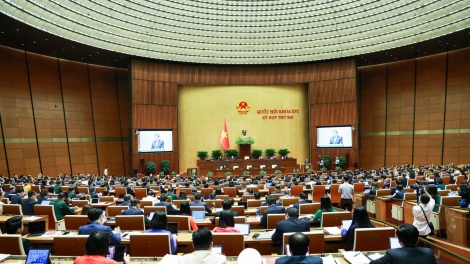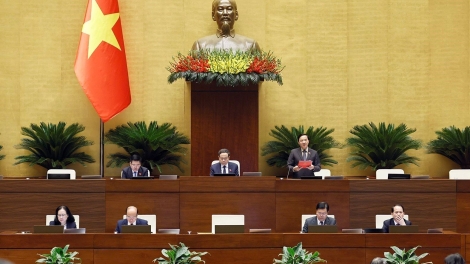



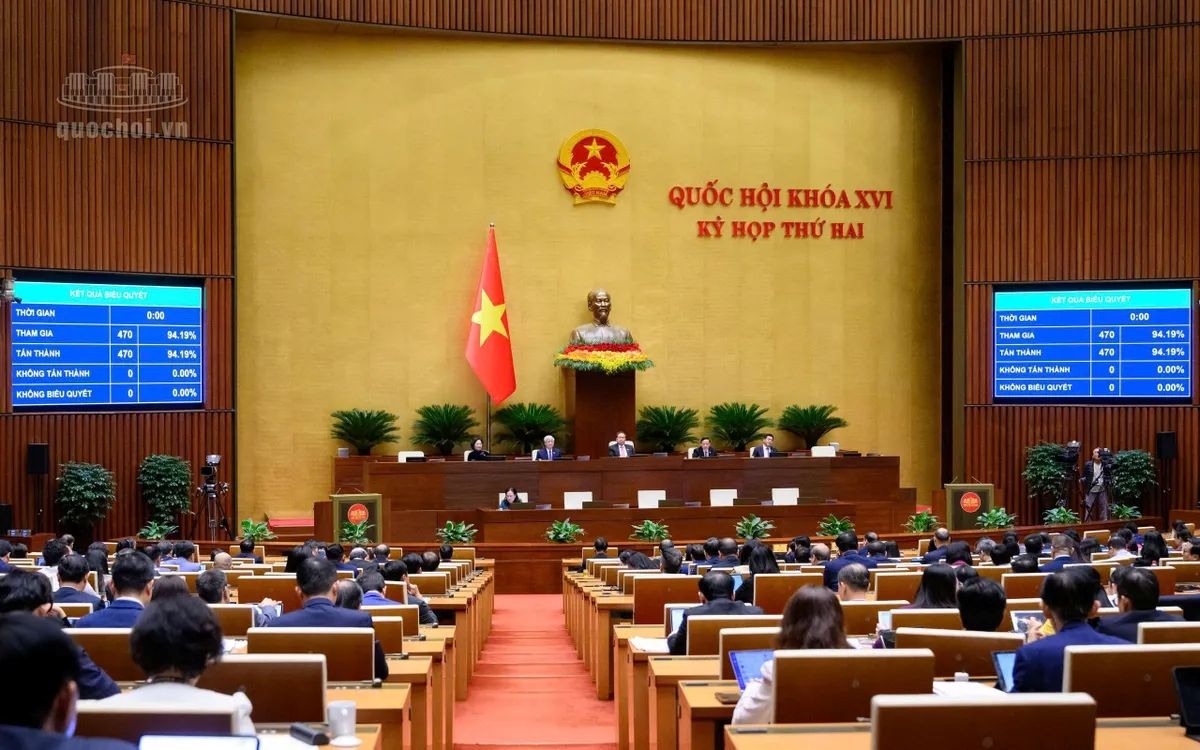
As the country embarks on the new phase characterized by higher growth targets, the second session focused on economic development strategies and the refinement of institutional frameworks. The aim is to stimulate growth and to ensure that policies are effectively translated into tangible outcomes.
Decisions driving development
High on the agenda was the socio-economic development plan for 2027. According to the Resolution adopted on November 7, the growth target is set at 10% or higher, plus maintaining macroeconomic stability, controlling inflation, and ensuring major economic balances. 2027 is envisioned as a year for acceleration and breakthroughs to successfully implement the Resolution of the 14th National Party Congress.
Achieving these goals requires the effective mobilization and utilization of resources, the leveraging of traditional growth drivers, and the pursuit of breakthroughs in science and technology, innovation, and digital transformation.
In addition, the refinement of institutional frameworks, the development of various economic sectors, and stronger regional integration remain vital conditions for expanding national development space.
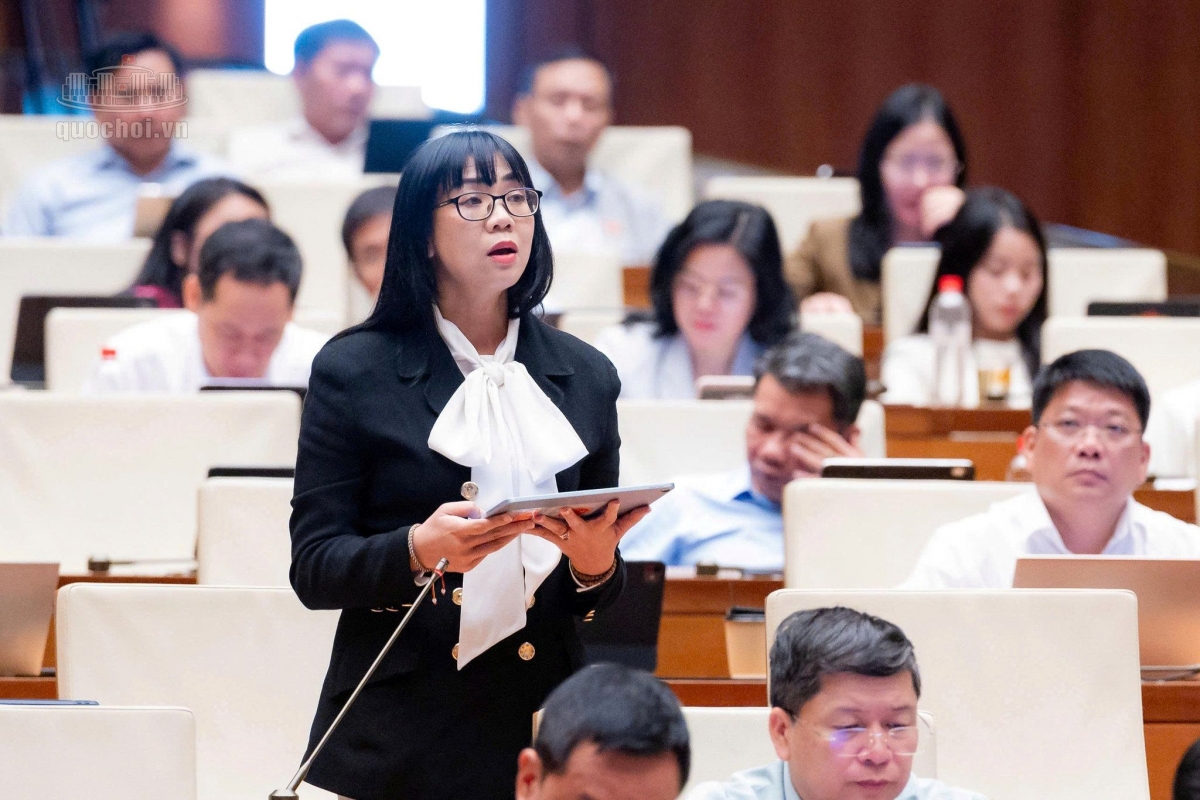
Deputy Trinh Thi Tu Anh, representing Lam Dong Province, believes in the tasks to be undertaken. “Addressing socio-economic tasks, macroeconomic stability, and major balances of the economy in the coming time are of the utmost urgency. I trust that the Government, the Prime Minister, and the members of the Government will develop highly specific plans with clear milestones and roadmaps to achieve the growth targets approved by the National Assembly,” Anh said.
Refining policies and fostering a favorable environment for production and business activities are also critical requirements. The National Assembly’s passage of the Law on Supporting Small and Medium-sized Enterprises will strengthen the legal framework, providing additional support for the development of the business sector and individual business households.
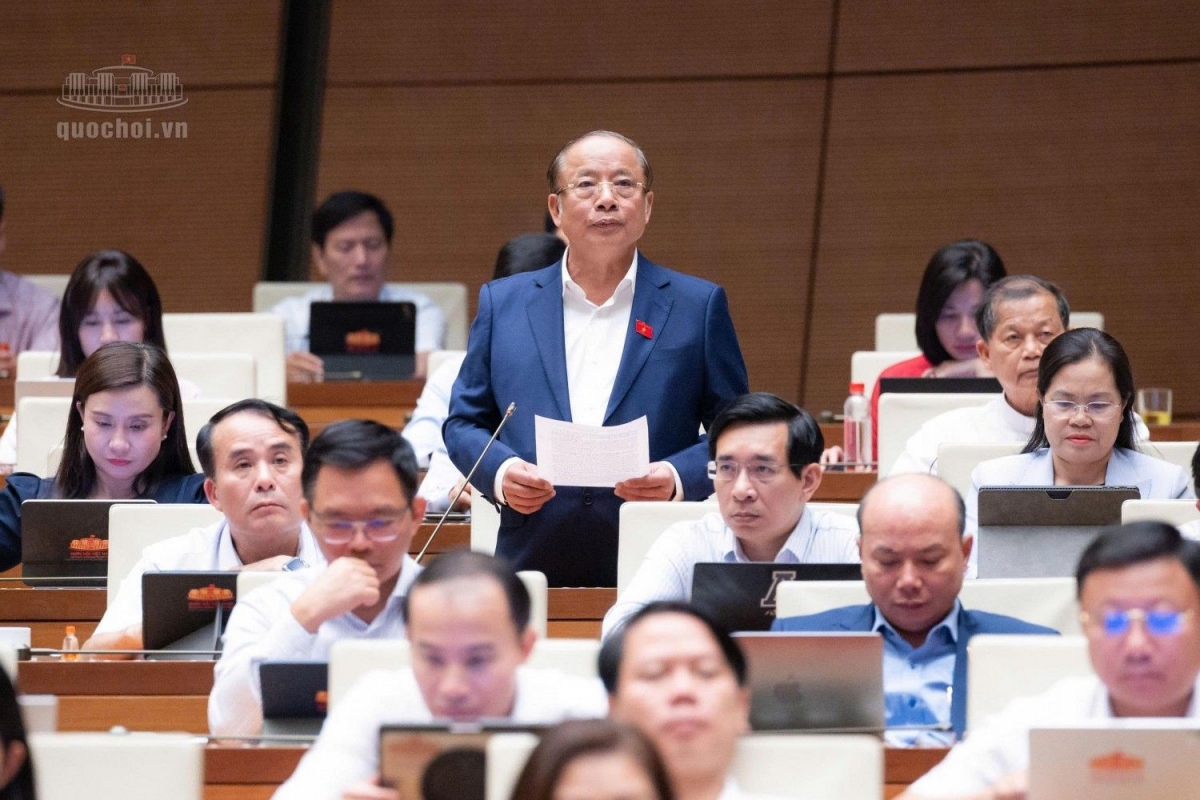
Deputy Nguyen Van Than, representing Ho Chi Minh City, offered his view, saying, “As a representative who cast a vote to pass the law, I believe it will have a significant impact on small and medium-sized enterprises (SMEs) and on business households in general. We must craft legislation that aligns with the nation’s development and remains well-suited to the current operational capacities of SMEs and business households.”
Refining institutional framework, enhancing implementation
During the second session of the 16th National Assembly, key draft laws were enacted, including the Law on the Development of Small and Medium-sized Enterprises; the Law on Securities; a suite of laws covering commerce, competition, foreign trade management, and consumer rights protection; as well as the amended Law on Asset Auctions and the amended Law on Lawyers. These laws aim to fine-tune the legal framework to meet the practical needs of governance and development.
The National Assembly’s oversight activities, especial the Q&A session, clarified state management agencies’ responsibilities for voters’ concerns and demonstrated the role that National Assembly deputies exercise over the state bodies’ operations.
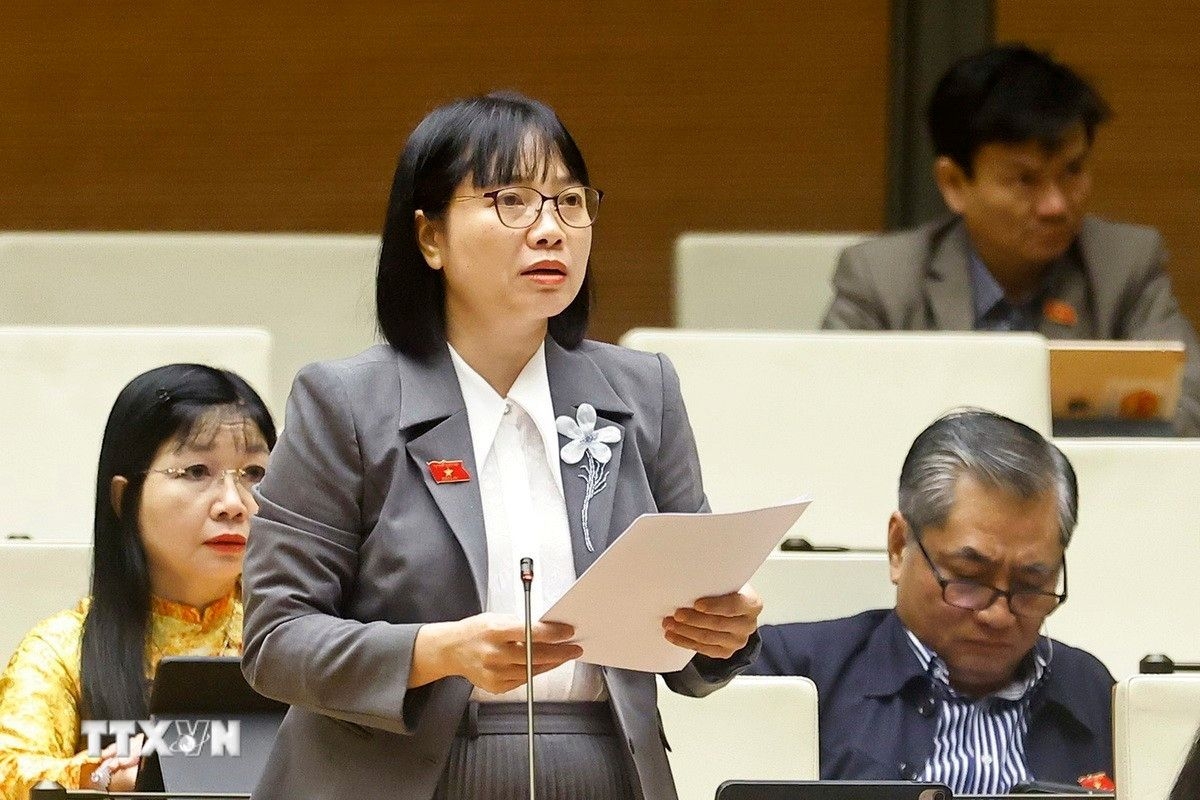
“What voters and the public truly look for is what happens after the Q&A session, what changes take place, which obstacles are removed, and which commitments are followed through to completion. There is still much work to be done," said Nguyen Thi Viet Nga, a member of the National Assembly’s Committee for Culture and Social Affairs and Deputy Head of the Hai Phong National Assembly Delegation.
"Ministries and government agencies that provide responses must immediately devise plans to address outstanding issues according to the roadmaps they have pledged to follow. National Assembly deputies and agencies must stand with the people in monitoring the fulfillment of these post-questioning commitments. Ultimately, the true yardstick remains the assessment of the public and the business community, based on whether substantive, positive changes emerge in daily life."
The second session of the 16th National Assembly is ushering in a phase dedicated to implementing key policy decisions for 2027 and the years to come.
The value of what was reached in the legislative chamber will be proven by the effectiveness of their implementation, by the bottlenecks that are cleared and the tangible, substantive improvements brought to socio-economic life in the period ahead.