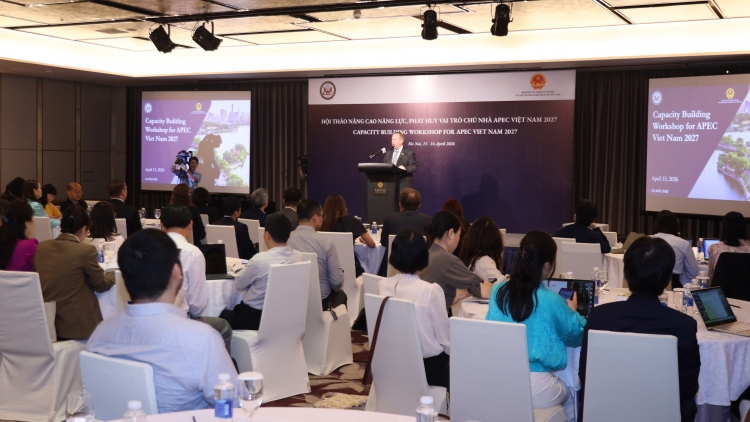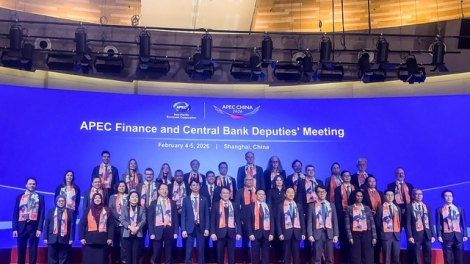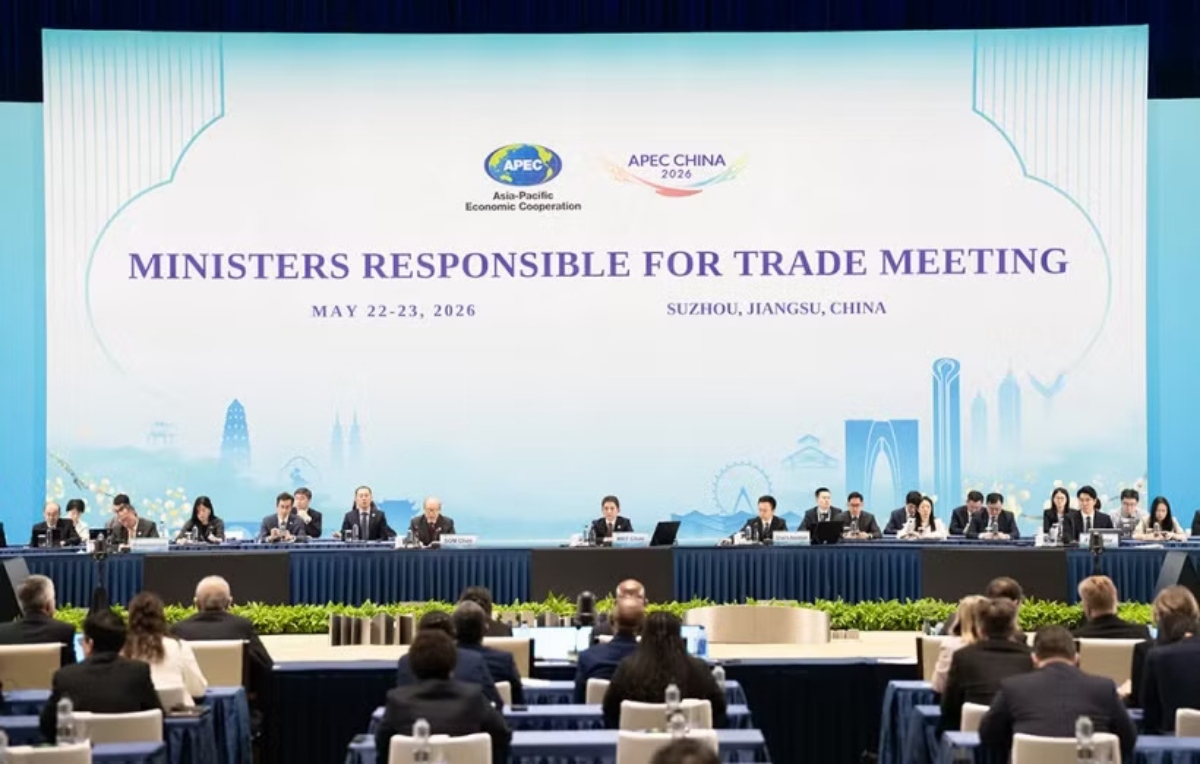
The agreements, reached by member economies at the 2026 APEC Ministers Responsible for Trade Meeting in Suzhou, China last week, demonstrate that priorities are no longer limited to traditional trade.
Economic integration, multilateral reform
Economic integration remains a key driver of growth in the Asia-Pacific region. As global trade is increasingly affected by protectionism and geopolitical competition, maintaining an open trading environment is regarded as essential to ensuring regional economic stability.
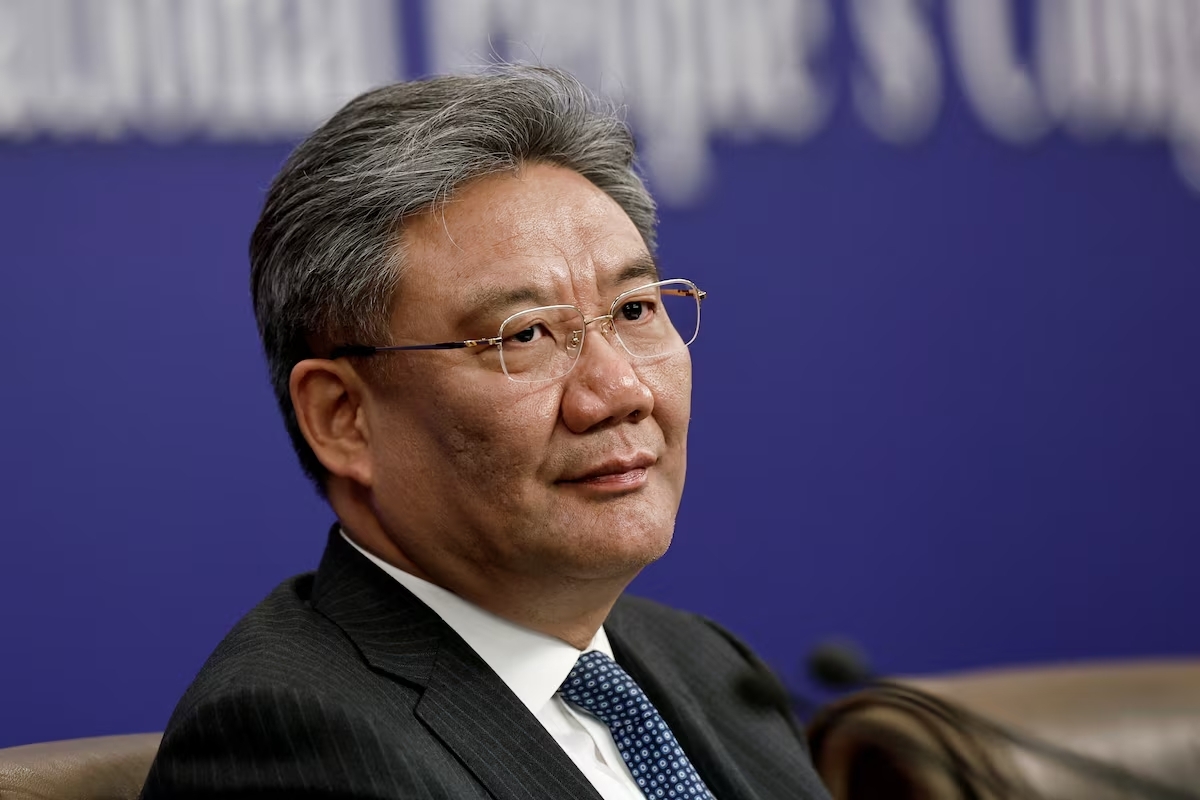
Chinese Minister of Commerce Wang Wentao said: “Key areas include promoting regional economic integration and the Free Trade Area of the Asia-Pacific (FTAAP) and supporting the World Trade Organization in strengthening digital cooperation and developing the green economy. At present, the international landscape is experiencing changes and growing geopolitical instability. The rise of unilateralism and protectionism is posing serious challenges to global economic and trade order, disrupting development progress globally and in the Asia-Pacific region.”
Alongside macro-level commitments made by governments, participants agreed that integration must deliver tangible benefits to goods circulation. New Zealand Minister for Trade and Investment Todd McClay said: “I think for the Asia Pacific economies, the idea is that integration bringing down barriers, fewer tariffs, and fewer non-tariff barriers, and making it easier for goods and services to cross border, to be treated well, and recognized for the quality.”
Rob Iuppa, Chief Financial Officer at Technimark Group, said: “As business persons, we hope business leads the agenda. It's never been a conflict for us working in the region. Sometimes, with the trade leaders getting together, it helps put business agenda first.”
Digitalizing trade, accelerating green growth models
Besides traditional mechanisms, the digital economy and green economy are emerging as two core drivers in the Asia-Pacific region. Many economies believe that the transition to a low-emissions development model will simultaneously open up new investment and technology opportunities.
Minnie Ang, President of the Singapore Business Association in Jiangsu province, said: “I think that this is an ever-growing topic in green transformation. This is a matter of commitment to the topic of being green and trying to understand what is a more feasible way of getting there.”
Businesses also believe that green development policies are creating significant opportunities for investment in technology and new energy. John Markmann, President of Grundfos China, said: “I'm, in particular, interested in policies that actually enable high-quality as well as future-proof growth via both decarbonization and digitalization.”
Experts say the combination of green transformation and the digital economy is creating a new pathway for many Asia-Pacific economies to generate additional growth momentum, when traditional growth drivers lose effectiveness.
Yuan Qian, Deputy Director of the Trade and Investment Research Division at the Chinese Academy of Social Sciences, said: “As the technological revolution and industrial transformation accelerate, this conference has concentrated on cooperation in emerging areas such as digitalization and green transformation.”
The continued commitment of APEC economies to promoting open trade, strengthening regional connectivity, and expanding cooperation in emerging sectors shows that the Asia-Pacific region is moving toward a growth model driven more by technological innovation, sustainable development, and deeper economic integration. This is considered a foundation for the region to maintain its role as one of the key engines of global economic growth.