



On Wednesday, the UN General Assembly adopted a historic Resolution on climate justice by a vote of 141 to 8. One day later, the Organization for Economic Cooperation and Development (OECD) released a report showing that wealthy nations have continued to increase their contributions to climate finance.
Historic Resolution
The new UN resolution reaffirming countries’ obligations to fulfill climate commitments under international law. The document, initiated by the Pacific island nation of Vanuatu, seeks to implement the July 2025 advisory opinion of the International Court of Justice (ICJ), which states that countries failing to meet their climate commitments can be deemed in violation of international law and incur obligations to compensate affected nations. The Resolution called the ICJ advisory opinion “an authoritative contribution to clarifying existing international law,” and called on states to comply with their climate obligations to limit the impact of global warming.
It stressed the need to keep global temperature rise below 1.5 degrees Celsius compared to pre-industrial levels, specifically highlighting the “transition away from fossil fuels in energy systems,” in line with the goal agreed upon by nearly 200 countries at the 28th UN Climate Change Conference (COP28) held in the United Arab Emirates in 2023.
The adoption of the Resolution, despite opposition from some major countries including the United States, is seen as a major step in advancing climate justice. Although neither the ICJ advisory opinion nor the UN Resolution is legally binding, experts say the Resolution marks an important shift in perception: climate action is no longer viewed as a “political choice” but rather as a “legal obligation” under international law.
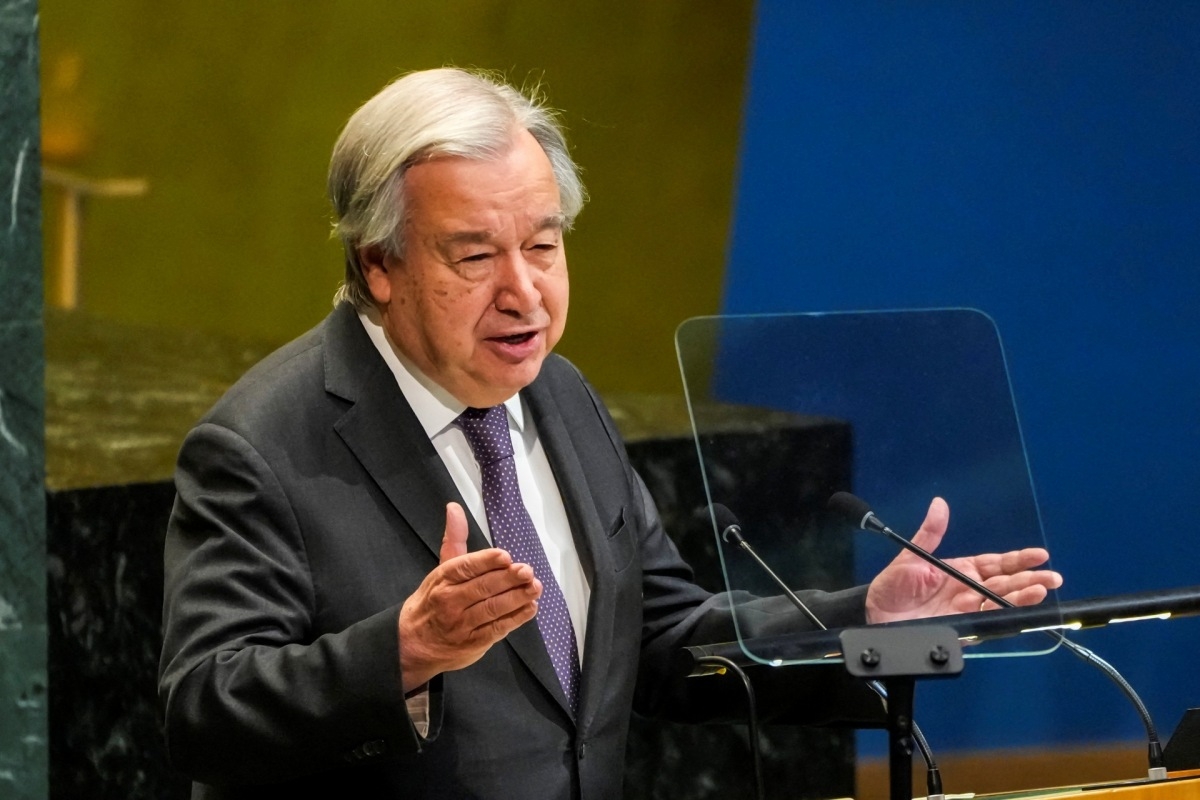
UN Secretary-General Antonio Guterres said the Resolution is especially significant for regions, such as Africa, that have long suffered from climate injustice. “Africa must be at the center of climate justice. The continent holds 60% of the world's best solar potential and receives 2% of global clean energy investment. With the right finance, Africa could generate 10 times more electricity that it needs by 2040 entirely from renewables.”
Observers say the next challenge for UN agencies will be translating the Resolution into legally binding commitments. The proposed international registry for climate-related loss and damages should be implemented quickly, to serve as the basis for calculating climate-related losses and identifying which countries bear legal responsibility for compensation.
A small step forward in climate finance
Meanwhile, the OECD report showed that wealthy nations have for three consecutive years met or exceeded the target of financing 100 billion USD annually to help poorer countries adapt to climate change. According to the report, after providing nearly 116 billion USD in 2022, wealthy nations sharply increased contributions to nearly 133 billion USD in 2023 and more than 136 billion USD in 2024. Data for 2025 will not be available before 2027 at the earliest, the OECD said.
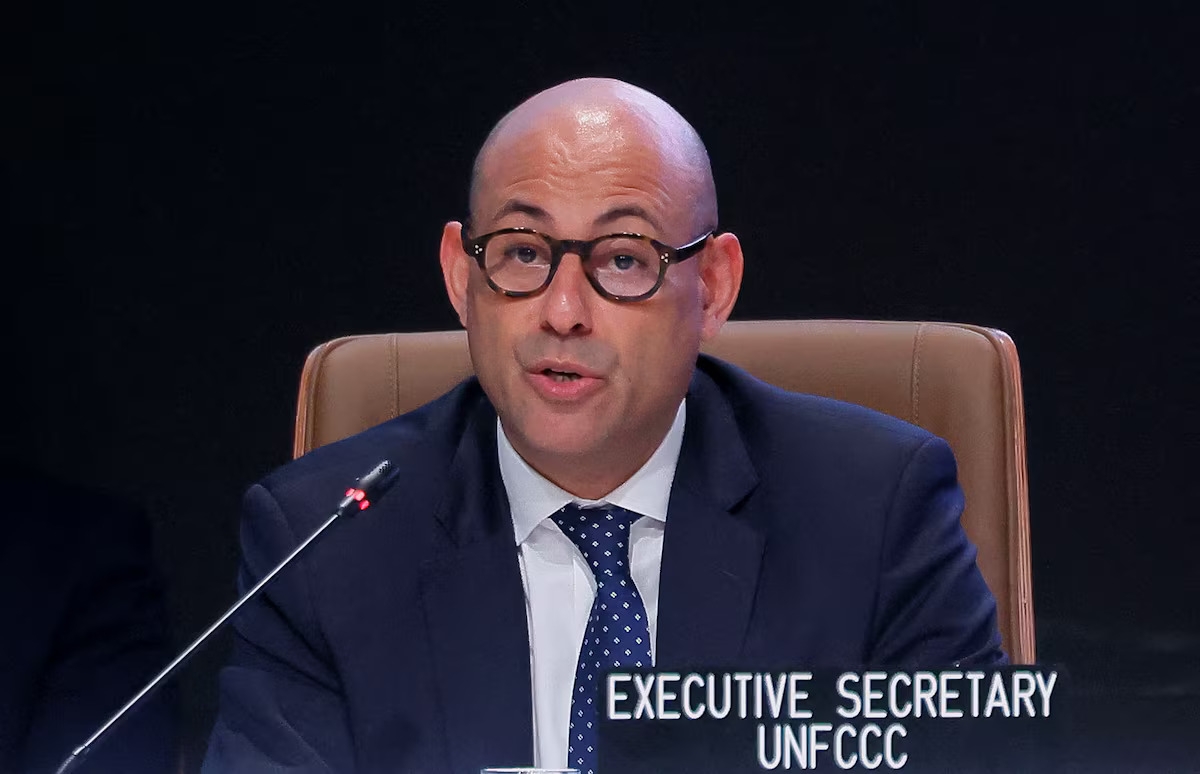
This is a positive development at a time when many rich countries are facing economic difficulties and geopolitical instability. Simon Stiell, Executive Secretary of the UN Framework Convention on Climate Change, said climate finance is making progress.
“What turns plans? Climate finance is the lifeblood of climate action. It is what turns plans into progress and ambition into implementation. Since Paris, we have come a long way. Climate cooperation is working. Public and private flows of climate finance are growing. New partnerships are being forged and we are seeing billions of dollars flowing into clean energy, resilience and just transitions across the world,” he said.
Nevertheless, experts caution that current figures remain far below the latest climate finance commitments. At COP29 in Azerbaijan in 2024, rich nations agreed on a new target of providing 300 billion USD annually by 2035. They even targeted a bigger goal of mobilizing 1.3 trillion USD annually from both public and private sources.
According to the OECD, global climate diplomacy was significantly affected by US President Donald Trump withdrawing the US from climate commitments and sharply cutting US foreign aid programs. Meanwhile, the European Union, the largest contributor to climate finance, is facing heavy budgetary pressure due to sluggish economic growth and the Russia-Ukraine conflict.
As a result, Western climate experts are pushing to expand the group of contributors, proposing that economies previously classified as developing but now wealthy, such as China and Saudi Arabia, be included among those bearing responsibility, and that the private sector play a greater role.