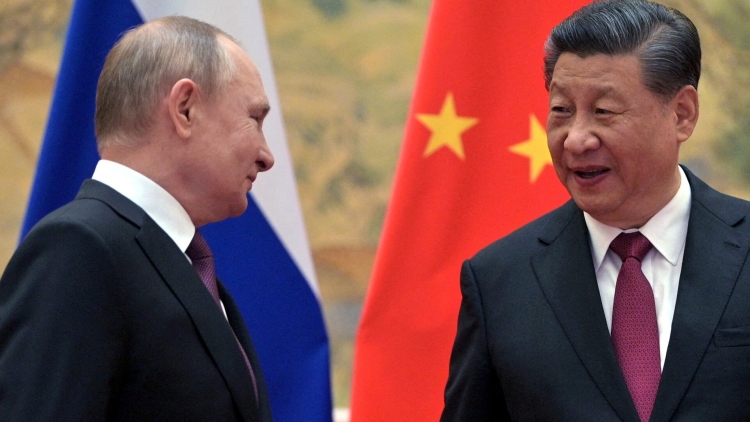




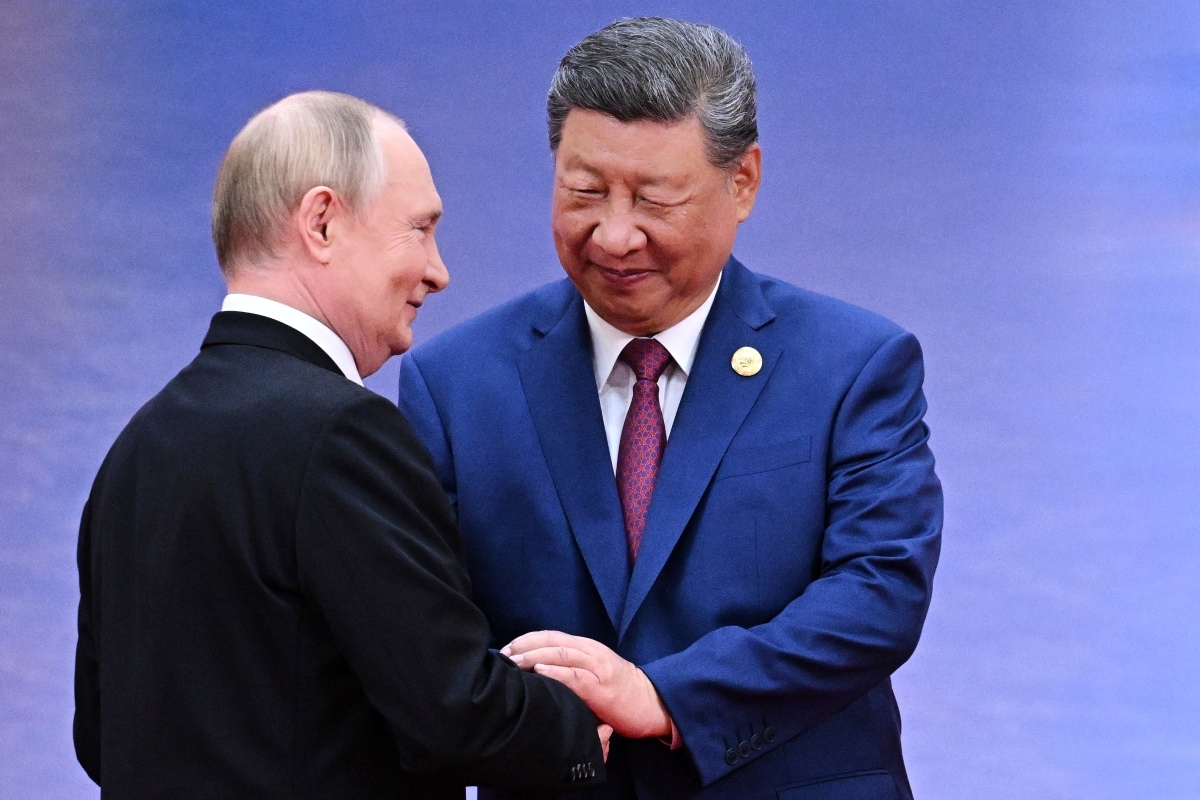
This will be Putin’s 25th visit to China as President or Prime Minister of Russia over the past two decades.
Economic and energy cooperation
This year marks the 30th anniversary of the establishment of the China–Russia Strategic Partnership of Coordination and the 25th anniversary of the Treaty of Good Neighborliness and Friendly Cooperation. During President Putin’s trip, the two sides will elevate their relationship which is already touted as “at its highest level in history.”
Ahead of the visit, Kremlin spokesperson Dmitry Peskov said Moscow has great expectations for Putin's visit in trade, economic cooperation, and education. Chinese Foreign Ministry spokesperson Guo Jiakun said the visit will inject more stability and positive energy into the world.
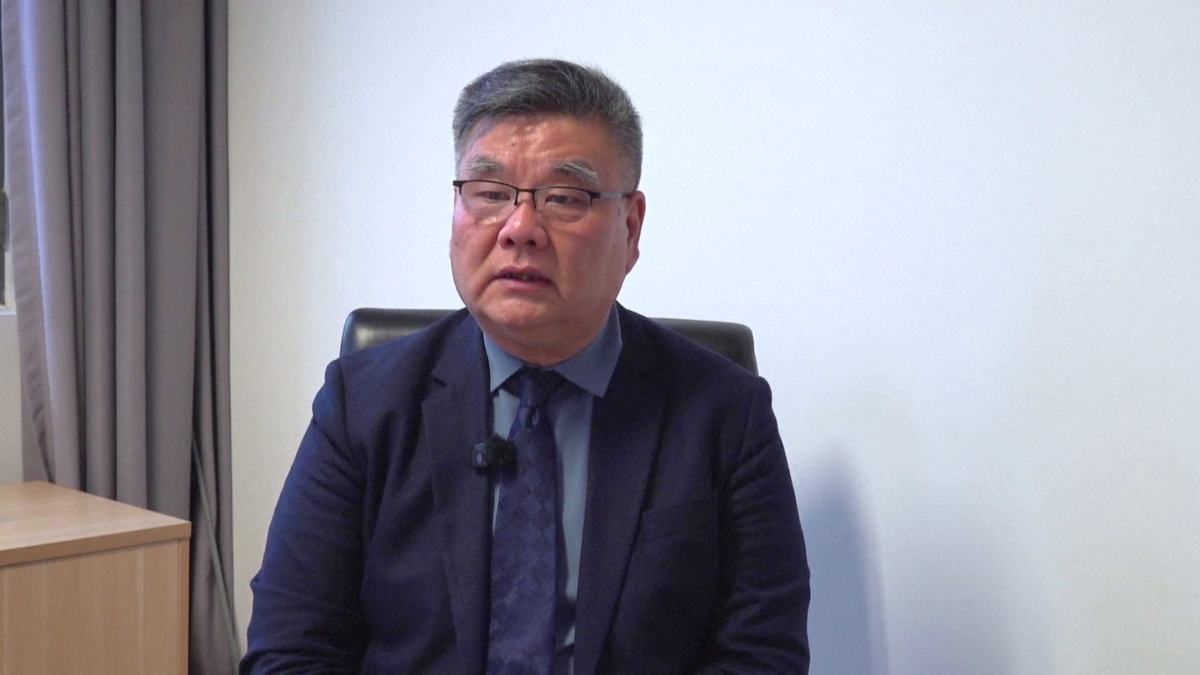
Professor Cui Hongjian of the Academy of Regional and Global Governance at Beijing Foreign Studies University said the visit reinforces a distinctive feature of China–Russia relations: the guiding role of head-of-state diplomacy, with reciprocal visits between President Putin and President Xi having become a regular practice.
“In recent years, China-Russia relations have shown a trend of systematic development. They continue to reinforce political and strategic trust through high-level exchanges and head-of-state diplomacy. At the same time, companies from the two countries in many sectors have achieved stronger win-win cooperation by complementing each other’s strengths,” Professor Cui said.
Expanding economic and energy cooperation is considered one of the top priorities of the visit. China has been Russia’s largest trading partner for 16 consecutive years, with bilateral trade reaching 228 billion USD and oil trade surpassing 100 million tons in 2025. Their close economic and energy links have provided strategic stability for both and are crucial given the Middle East conflict causing major disruptions to global energy supplies.
Negotiations for the Power of Siberia 2 gas pipeline project to transport gas from Russia through Mongolia to China are expected to be concluded during the visit. The pipeline could supply China with an additional 50 billion cubic meters of gas annually, ensuring China a stable long-term supply of affordable gas, and providing Russia with an important source of income amid mounting pressure on its economy from the Ukraine conflict and Western sanctions.
Global strategic stability
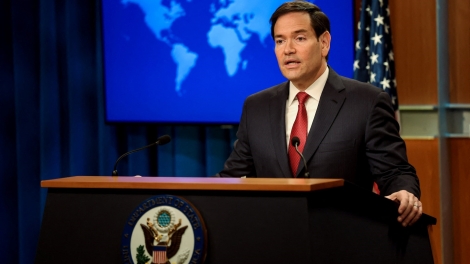
China-Russia coordination on global geopolitical issues is attracting attention, with Putin’s visit coming just 4 days after a visit by US President Donald Trump. Observers say the timing of the two visits raises the question of whether China and Russia will base their discussions and actions on the outcomes of the US–China summit.
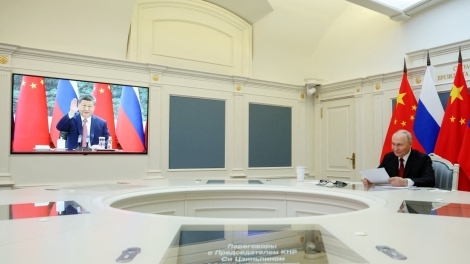
Russian foreign policy adviser Yuri Ushakov said, “There is no link between the visits to China by US President Donald Trump and Russian President Vladimir Putin. We usually agree on a plan for negotiations with the Chinese in advance. The leaders spoke via videoconference on February 4, 2026, and a few days later, we agreed on our President's visit to Beijing and set a date for the talks on May 20."
Professor Cui Hongjian said the US and Russia have both chosen closer contact and coordination with China. French President Emmanuel Macron and British Prime Minister Keir Starmer also visited China in recent months. The increased exchanges among the leaders of the 5 permanent members of the United Nations Security Council are a positive signal for the world. Only if the great powers shoulder their responsibility can the current instability be turned into orderly change.
Some experts say the conflicts in the Middle East and Ukraine are highlighting China’s role as a stabilizing power with a commitment to global security and economic governance mechanisms. Gladly or not, the other major powers must take that into consideration.