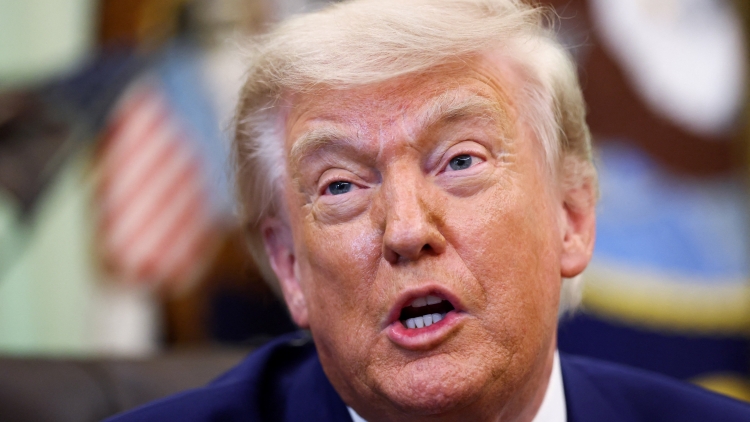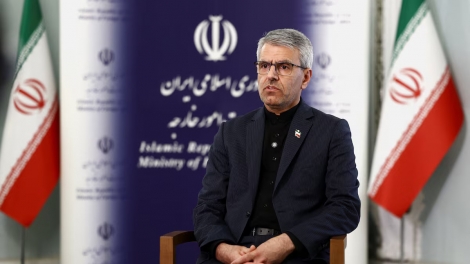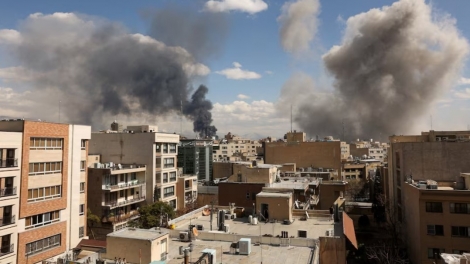




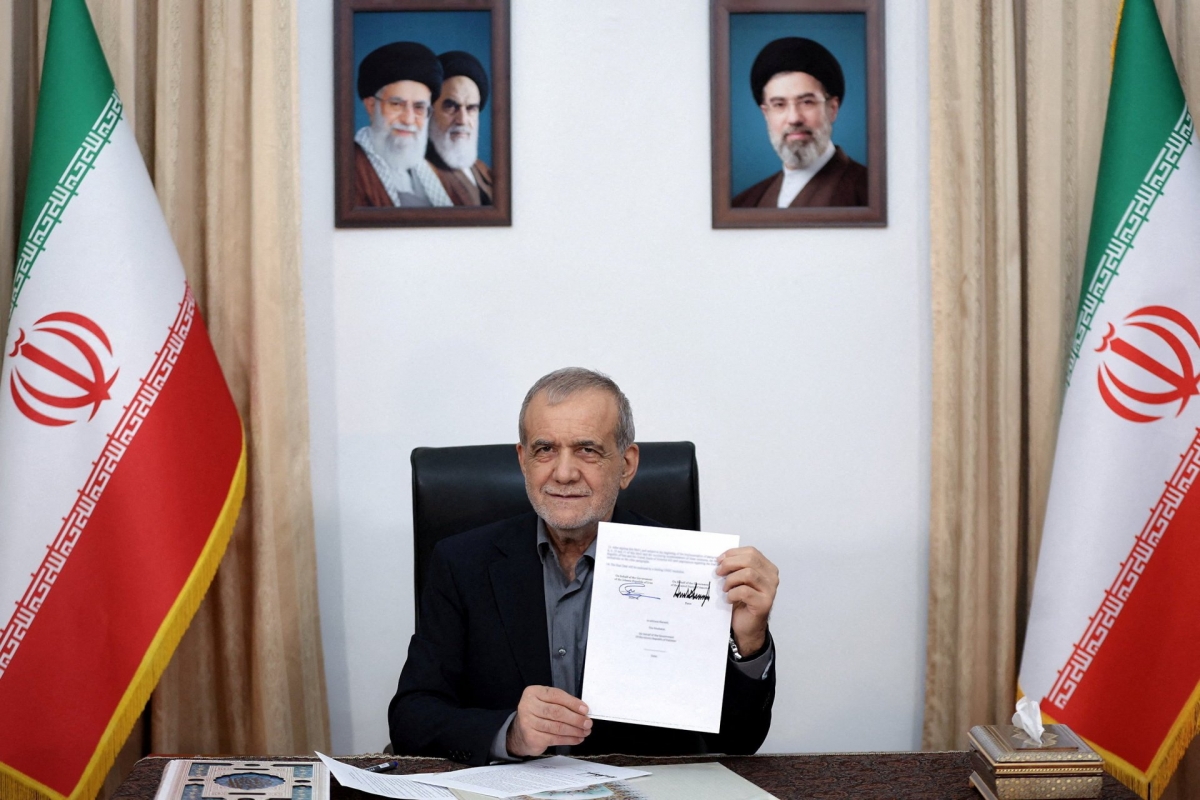
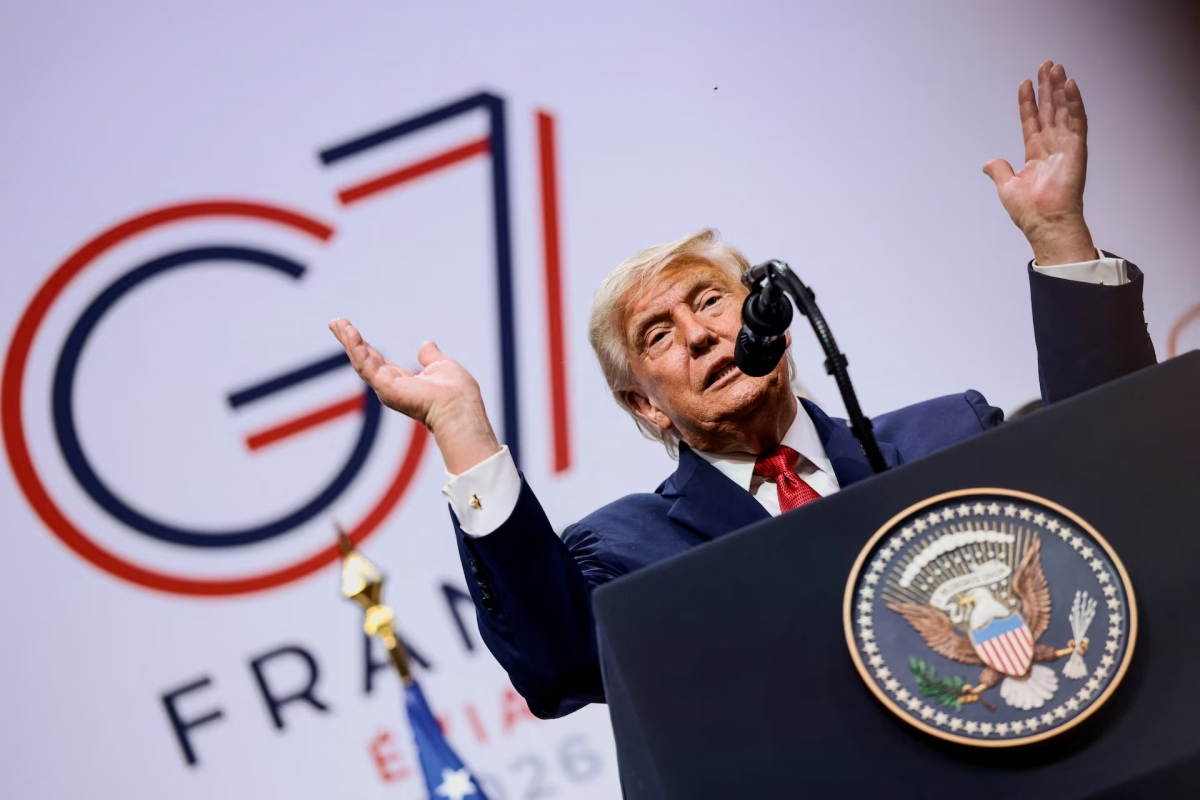
The MoU, also known as the Islamabad Memorandum, was brokered by Pakistan as the principal mediator, with support from Qatar, Saudi Arabia, Türkiye, and Egypt. It was digitally signed by US President Donald Trump while attending the G7 Summit in France, and Iranian President Masoud Pezeshkian.
Ending all hostilities
According to the US administration, the 14-point agreement spells out a provision for the complete cessation of military operations, airstrikes, and confrontations on all fronts, including in Lebanon. Both sides agreed to extend the ceasefire by an additional 60 days to facilitate further negotiations.
Another key provision is Iran’s commitment to immediately reopen the Strait of Hormuz for safe passage of international commercial vessels. In return, the US will begin to lift its naval blockade of Iranian ports within 30 days.
The reopening of the Strait of Hormuz, through which approximately 20% of the world's exported oil and natural gas passes, is welcome news for the global economy. Since the outbreak of the conflict and the closure of the strait, global energy supplies have experienced one of the most severe disruptions in history, undermining global growth prospects and driving inflation higher in many countries, including the US.
“The one thing I didn't want to see is economic catastrophe. If you kept this going, that could have happened. But all I know is every time we talked about the possibility of peace, the stock market shot up like a rocket ship. It never went down,” said President Trump.
The two sides agreed that Iran will halt nuclear activities and refrain from further high-level uranium enrichment until a final agreement is worked out. The US pledged not to impose any new sanctions nor deploy any additional troops to the region.
The agreement also includes the release of approximately 25 billion USD in frozen Iranian assets overseas, the possible establishment of a 300 billion USD fund for Iran’s reconstruction, and a roadmap for easing US economic sanctions.
Challenges ahead
The US-Iran agreement has received broad international support. However, observers say it’s only the first step in what is expected to be a far more challenging 60-day process.
The first challenge involves Israel and Lebanon. Israel participated alongside the US in the military operation against Iran but is not a signatory to the agreement. Israeli Prime Minister Benjamin Netanyahu says the deal is President Trump’s decision and that Israel makes its own security decisions.
Israel’s ongoing military actions in Lebanon risk reigniting violence and undermining the MoU’s commitment to ending hostilities on all fronts.
Another major challenge is that 60 days may not be sufficient for the two sides to reach consensus on a highly contentious issue that has persisted for more than a decade. Associate Professor Andreas Krieg of the School of Security Studies at King’s College London said that the greatest challenge to the nuclear deal remains in the detail, not in the overall intent. Both sides agree, in principle, that Iran will not become a nuclear weapons country.
“There seems to be a strong commitment from both sides, where I think there is still some wiggly-wiggle room about the levels of enrichment that will be acceptable. Then there are issues of supervising, monitoring the deal, as well as implementing it. And lastly, there is also an issue over the highly enriched uranium that's already in Iran, what will happen to it? Who will monitor it? How much Iran is able to retain? If they're not able to retain it, where will it go?” Krieg noted.
Domestic pressure is a significant problem for the Trump administration. Many US lawmakers have criticized the agreement’s financial provisions as overly favorable to Iran and have called on the President to submit the agreement for congressional approval.
“We're back to where we were before the war began, except we're in a weaker position and Iran seems stronger. But here are some certainties. The President must come to Congress, which he has failed to do, either for the war or, if he wants a peace agreement, he has to come to Congress,” Democrat senator Richard Blumenthal of Connecticut said.
Naval mines and debris are the most critical technical obstacles in the Strait of Hormuz. Another concern is a lack of strong enforcement mechanisms. While the deal establishes a joint implementation framework, it lacks sufficient penalties if either side fails to uphold its commitments.
Given the deep mistrust that exists between Washington and Tehran, even a minor maritime incident or allegations of covert violations could quickly derail the agreement.