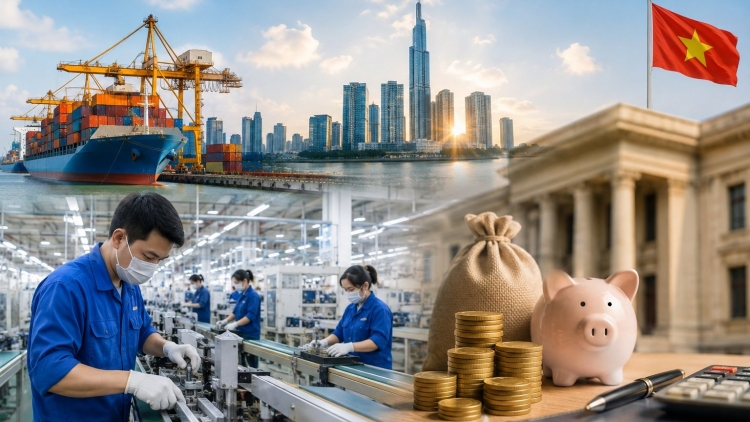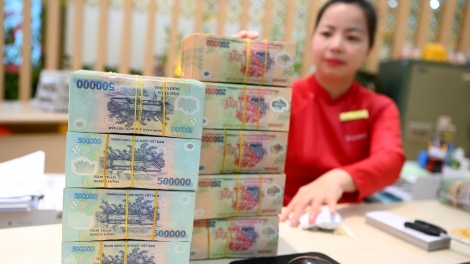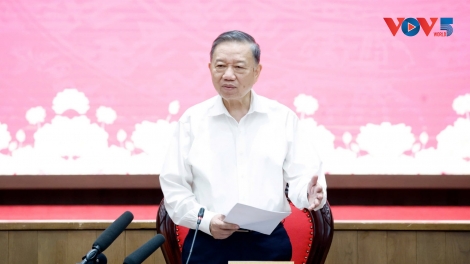



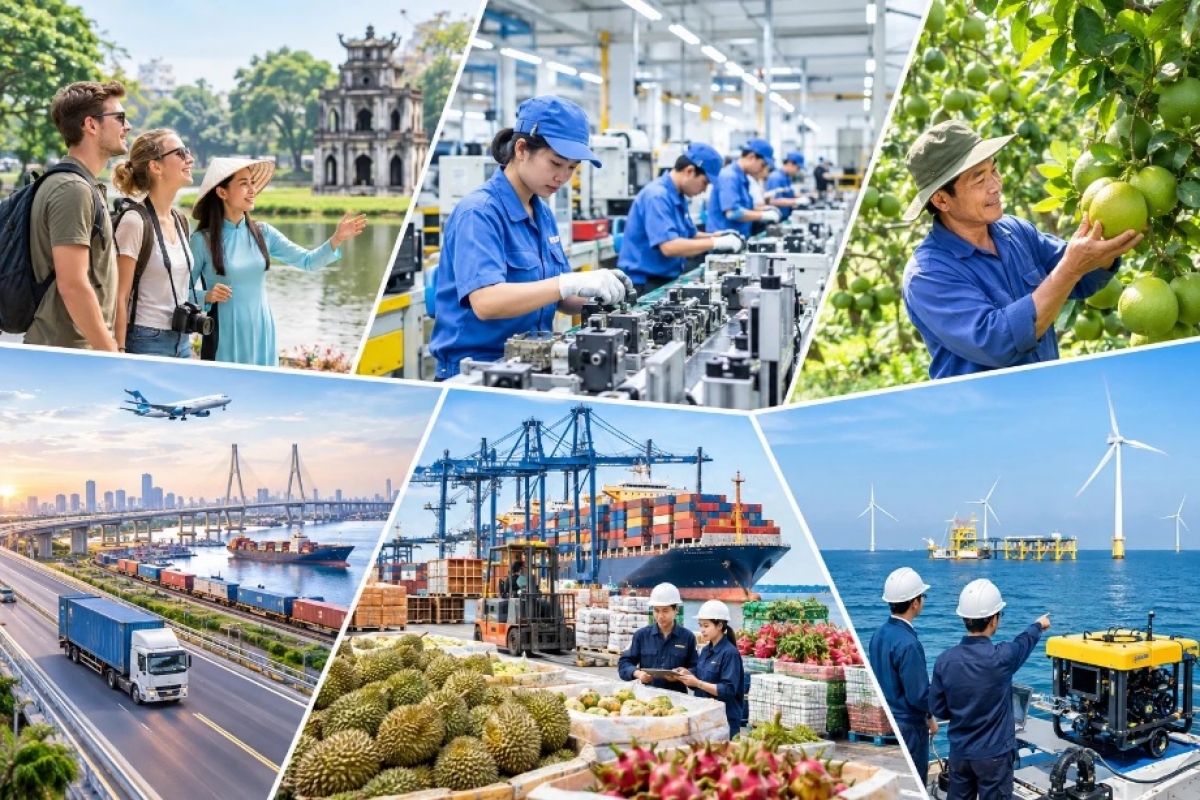
At the ongoing year-end session of the 16th National Assembly, deputies discussed the 2027 socio-economic development plan, focusing on the needs of mobilizing resources, removing institutional bottlenecks, creating new growth drivers, and improving implementation to achieve the set targets.
Mobilizing resources, removing bottlenecks
National Assembly deputy Tran Hoang Ngan of Ho Chi Minh City said mobilizing investment capital, a key task, requires estimating the total capital needed, figuring out how to mobilize it, and translating institutional priorities and incentives into resources.
“We must prioritize institutions and plans. Investment capital will help us turn these priorities into reality. So how much investment capital do we need? Vietnam’s estimated GDP in 2026 is 564 billion USD. Under the plan, we must mobilize the equivalent of 35-40% of GDP – about 200 billion USD. We currently have 120 billion, so we need to mobilize an additional 80 billion in the fourth quarter,” said Mr. Ngan.
Another task is ensuring the effective disbursement and use of the resources. Fine-tuning institution must align with the local implementing capacity, particularly regulations that affect investment disbursement and project timelines.
National Assembly deputy Pham Dai Duong of Phu Tho province said: “We need to carefully review the Land Law to ensure that local authorities can actually implement it, particularly provisions on land prices and land allocation. If we can address those issues and pass the necessary amendments soon, that could boost growth in the year-end months and implementation could move ahead in 2027.”
Creating new growth drivers, improving growth efficiency
Lawmakers highlighted the need to identify and develop new growth drivers for 2027. The high growth target means increasing investment, efficient use of resources, effective application of technology, and improvement of productivity.
National Assembly deputy Phung Duc Tien of Khanh Hoa province said: “Disbursement of public investment capital should be 100%. Resolution 57 of the Party Central Committee clearly outlines the role of science and technology, but the capital disbursement for science and technology remains low. We need to make science and technology a priority solution for driving growth.”
The sustainability of economic gains is another issue to be considered in planning for the coming year. Strong growth must go hand in hand with sustained production and business activity and better access to resources for enterprises.
National Assembly deputy Le Thi Ngoc Linh of Ca Mau province said: “Higher growth demands close scrutiny of its sustainability. I urge the Government to carefully review, not only the results achieved, but the indicators that have declined, while also cutting overlapping administrative procedures and improving businesses’ access to capital.”
Lawmakers said that in 2027, growth drivers should be considered from the angle of public investment, science and technology, business operating conditions, and sustainability. That calls for coordinating investment allocation, administrative reform, and innovation to ensure that growth increases in both scale and quality.
National Assembly deputy Phung Huu Toan of Lai Chau province said: “Implementation is the decisive stage. We should clearly define the responsibilities, deadlines, resources, and expected outputs for each task, strengthen inspections and oversight, and hold heads of agencies accountable for the results. The overarching goals are to boost productivity, improve the efficiency of resource use, and strengthen the economy’s internal capacity. Strong growth must be accompanied by macroeconomic stability, sustainable development, and tangible improvements in people’s material and spiritual well-being.”
Translating policies and proposals into tangible results will be necessary to achieve the growth target for 2027 and ensure that economic growth is sustainable and goes hand in hand with macroeconomic stability and an improvement in people’s lives.