






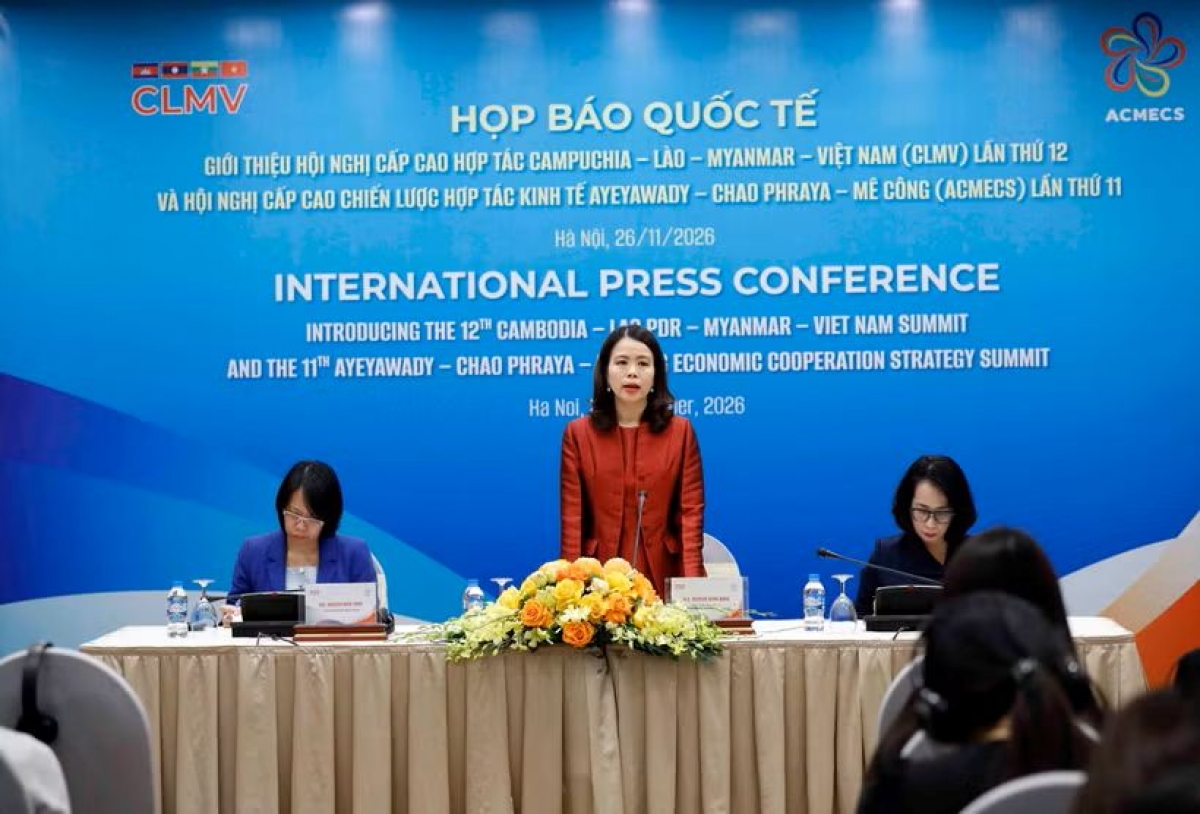
CLMV was formed in 2004 by Cambodia, Laos, Myanmar and Vietnam to narrow development gaps and bring their economies closer together. ACMECS began in 2003 and includes those four countries plus Thailand. It aims to strengthen economic cooperation, improve the competitiveness of its members, and support sustainable development in the Mekong subregion. The economic frameworks have different priorities but both aim to strengthen regional ties, tap the region’s potential, and promote shared development.
Pooling resources to expand development opportunities
After more than 20 years, CLMV and ACMECS need to do more to help their members meet development goals and tackle cross-border challenges together.
Themed “Connecting CLMV – Harnessing Potential – Building a Prosperous Future,” the CLMV Summit focuses on better links in infrastructure, trade, logistics and supply chains, and people-to-people exchanges. The ACMECS Summit aims to support socio-economic growth and smart, sustainable development, and set priorities for future cooperation.
These priorities reflect a growing need for the Mekong subregion to coordinate efforts and turn policy commitments into programs that deliver real benefits. Deputy Foreign Minister Nguyen Minh Hang said member countries strongly backed Vietnam’s proposed themes and priorities for cooperation.
"All member countries hope the two summits will agree on a new direction for cooperation, with changes in what we focus on and how we work together. We want both economic frameworks to deliver better results and real benefits for each member country. That will help our countries grow together and build a more peaceful, stable, and closely connected Mekong subregion,” she noted.
Leaders are focusing on three priorities. First, they want to strengthen links in key sectors to create new opportunities for development. Second, they want to work together to address climate change, protect the environment, and manage water resources sustainably. Third, they want to coordinate Mekong subregion efforts more closely with ASEAN and development partners.
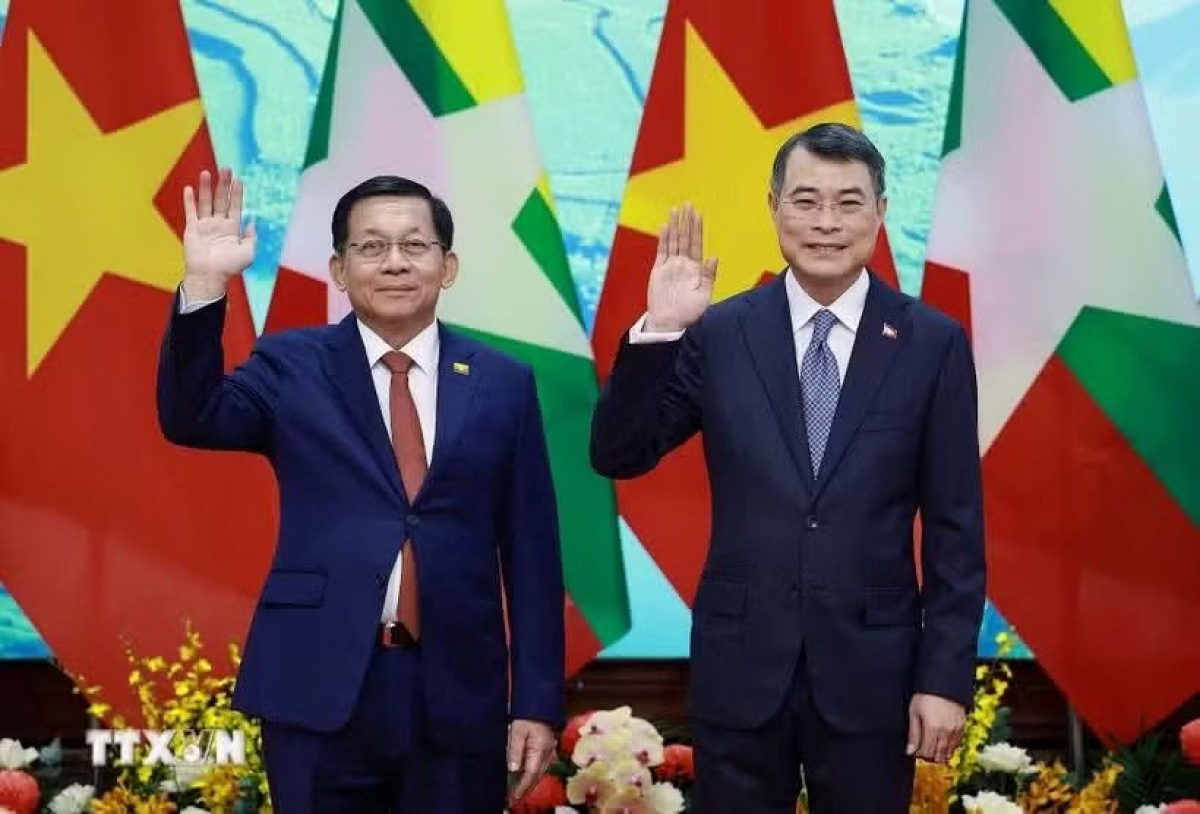
Both summits aim for measurable results from joint projects in the economy, infrastructure, workforce development, and tourism. At Vietnam’s suggestion, the CLMV Summit will invite development partners, development organizations, and businesses for the first time. This could bring in more resources and help Mekong countries work together more effectively. .
“We invited businesses to the summit to share their views and help find ways to boost investment and make it easier to invest and do business in the Mekong subregion,” said Deputy Minister Hang.
Turning commitments into real benefits
After the summits, countries need to turn their commitments into action. They need to decide what comes first, what resources to use, and how to work together, and clarify each party’s responsibilities. They also need to give businesses, local governments, and partners a greater role.
Vietnam continues to bring Mekong countries and resources together and support joint projects. The goal is a peaceful, stable, and better-connected Mekong subregion, with sustainable development that benefits people and businesses.


