







For many years, Vietnam’s biggest bottleneck has not been a lack of capital, labor or opportunity, but the manner in which these resources are allocated and used. Without an effective institutional framework, resources are easily fragmented and inefficiently utilized. Therefore, prioritizing institutional improvement, from legal reform and cutting business conditions to strengthening enforcement, is aimed at removing the most fundamental constraint on growth.
Comprehensive, coordinated and systemic reform
A notable shift is the transition from a fragmented approach to a systemic one. The adoption of major resolutions by the Politburo, covering the private sector, science and technology, international integration, energy, healthcare and education, reflects efforts to build an “institutional ecosystem” rather than isolated policies.
Associate Professor Dr Nguyen Hong Hai of VinUniversity said: “I believe the key breakthrough of these resolutions is their action-oriented nature rather than mere slogans. They reflect renewed thinking and practical application aligned with the country’s development level, while also unlocking potential to propel the nation to new heights. Therefore, beyond their theoretical foundations and strategic vision, these resolutions also provide highly concrete and practical directions for implementation.”
These resolutions have been swiftly translated by the National Assembly and Government into laws, resolutions and action programs with clear roadmaps and accountability assigned to ministries, sectors and localities. Measures have targeted long-standing bottlenecks, including a review of the legal system, eliminating overlapping regulations, cutting administrative procedures and compliance costs, and accelerating digitalization.
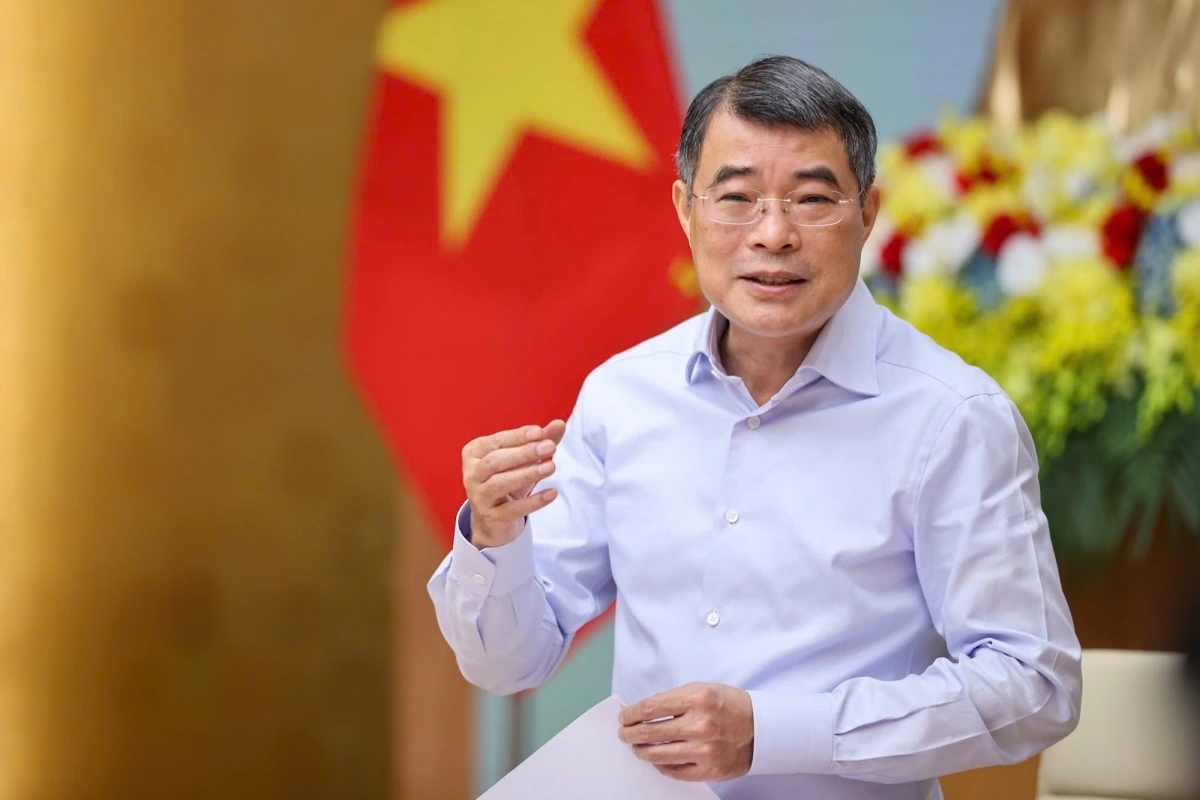
Prime Minister Le Minh Hung said: “One of the most important tasks in intuitional refining this year is to review special mechanisms and policies. Those proven effective should be applied nationwide. Institutional reform must go hand in hand with administrative reform, improved business conditions, and stronger enforcement capacity. The Ministry of Justice is required to comprehensively review and refine administrative requirements and business procedures, including reducing time and compliance costs.”
Institutions are no longer just tools of control but have become a foundation for activating growth, shifting from “management” to “development enabling.” Policies such as special urban laws for Hanoi and Ho Chi Minh City, along with free trade zones and international financial centres in Da Nang and Ho Chi Minh City, illustrate this transformation.
Institutions as a direct driver of growth
In practice, institutions do not directly create material wealth but strongly influence the behavior of economic actors, from businesses to individuals. Transparent, stable and predictable institutions reduce risks, encourage investment, promote innovation, and improve productivity.
Vietnam’s current reforms are closely linked with long-term goals. Rather than focusing solely on growth speed, major orientations integrate green development, digital transformation and innovation. Growth must be based on the effective mobilization of all social resources, said Party General Secretary and State President To Lam.
Mr. Lam said: “Substantive growth must be formed from both top-down and bottom-up forces across every link of the economy. When internal strengths are unlocked and connected with state resources, infrastructure, markets, technology and development planning, the economy will gain a solid foundation for sustainable growth. Every policy, infrastructure project and capital flow must aim to activate development capacity and aspiration, turning potential opportunities into real growth and trust into long-term momentum.”
Vietnam’s institutional reform is shifting from partial adjustments to systemic transformation, characterized by greater speed, depth and strategic orientation. Institutions are becoming a direct driver of growth, providing a crucial foundation for achieving higher and more sustainable development in a new era.


