







Institutional reform in culture has been identified as a strategic breakthrough, playing a leading role in enabling faster and more sustainable development.
Institutions as a key lever to unlock resources
In recent years, Vietnam has issued multiple cultural policies that have strengthened state management, improved public access to cultural life, and contributed to economic growth. In January this year, the Politburo issued Resolution 80 on the development of Vietnamese culture, marking a significant shift in strategic thinking and paving the way for a National Assembly resolution on cultural development.
Associate Professor Dr. Bui Hoai Son, a full-time member of the National Assembly’s Committee for Culture and Social Affairs, said: "We need a strong and open institutional framework to unlock currently constrained cultural resources. Culture must be recognized as the foundation of society, an internal resource, a driver of development, and a source of national soft power. We need to enhance bold, long-term investment in culture. Once culture is put in an open ecosystem involving multiple stakeholders, it can unleash its full potential."
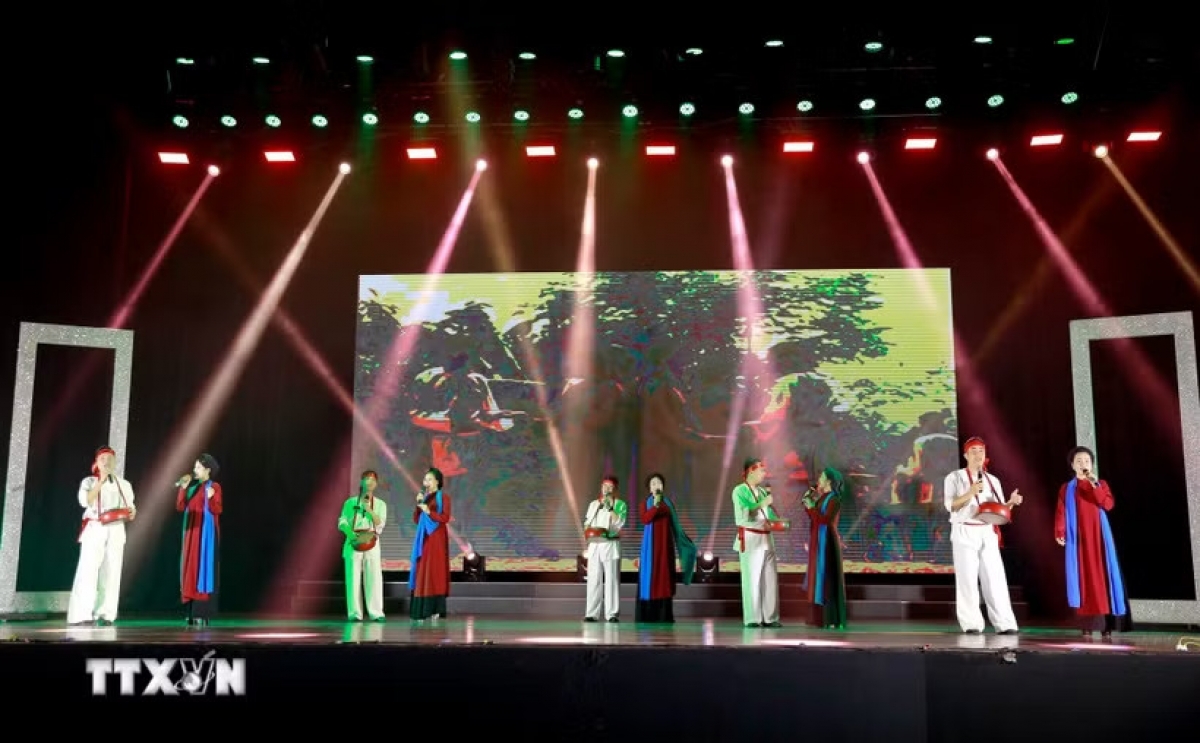
The draft resolution seeks to fully institutionalize key viewpoints, objectives, tasks, and solutions. While the State will play a leading role, society and the private sector are expected to be important drivers of cultural development. Cultural funding is now placed at the center, accounting for at least 2% of total state budget spending, alongside strong contributions of social resources.
Mechanisms and policies are being proposed to attract investment in culture, Dr. Son said. "It’s important to place culture at the heart of development thinking, rather than treating it as secondary to planning or resource allocation decisions. We need incentives in taxation, land use, infrastructure, and technology as well as mechanisms to recognize cultural sponsorship as a contribution to development. By doing so, we can create more cultural products, new creative spaces, and strong Vietnamese cultural brands which are competitive regionally and globally. It’s also necessary to promote public-private partnerships, pilot flexible models such as public investment with private management, private investment with public use, and expanded exploitation rights for cultural infrastructure," said Son.
Developing culture on a par with politics and the economy
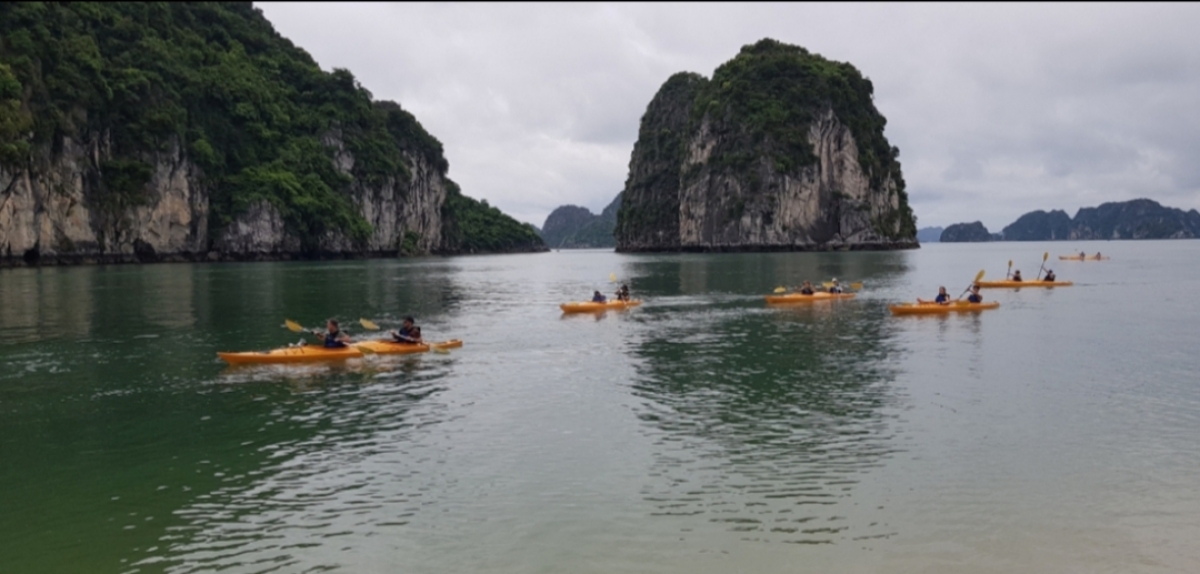
Vietnam has a strong potential for cultural development, with numerous heritage sites and famous landscapes. Professor Dr. Nguyen Van Ki, Vice Chairman of the National Cultural Heritage Council, said: "By 2030, Vietnam hopes to have 5 additional UNESCO World Heritage recognitions, and by 2045, 8-10 new recognitions, positioning the country among the world’s top 30 nations in cultural soft power. We have mechanisms and policies to promote Vietnamese cultural values abroad while selectively absorbing global knowledge, experience, and achievements to support domestic cultural development."
The evolving role of culture in Vietnam’s national development strategy is becoming increasingly clear.
Associate Professor Dr. Dinh Cong Tuan, Acting Vice Rector of Hanoi University of Culture, said: “In order to achieve rapid, sustainable growth in the new era, we need to develop culture on a par with politics, the economy, and social affairs. We need to build well-rounded Vietnamese citizens and make culture a real internal strength, a source of creativity, and a solid foundation for national prosperity in the new era.”
The proposed National Assembly resolution on cultural development will mark a major step forward in institutional reform, mobilizing resources, and promoting comprehensive, sustainable cultural growth.


