




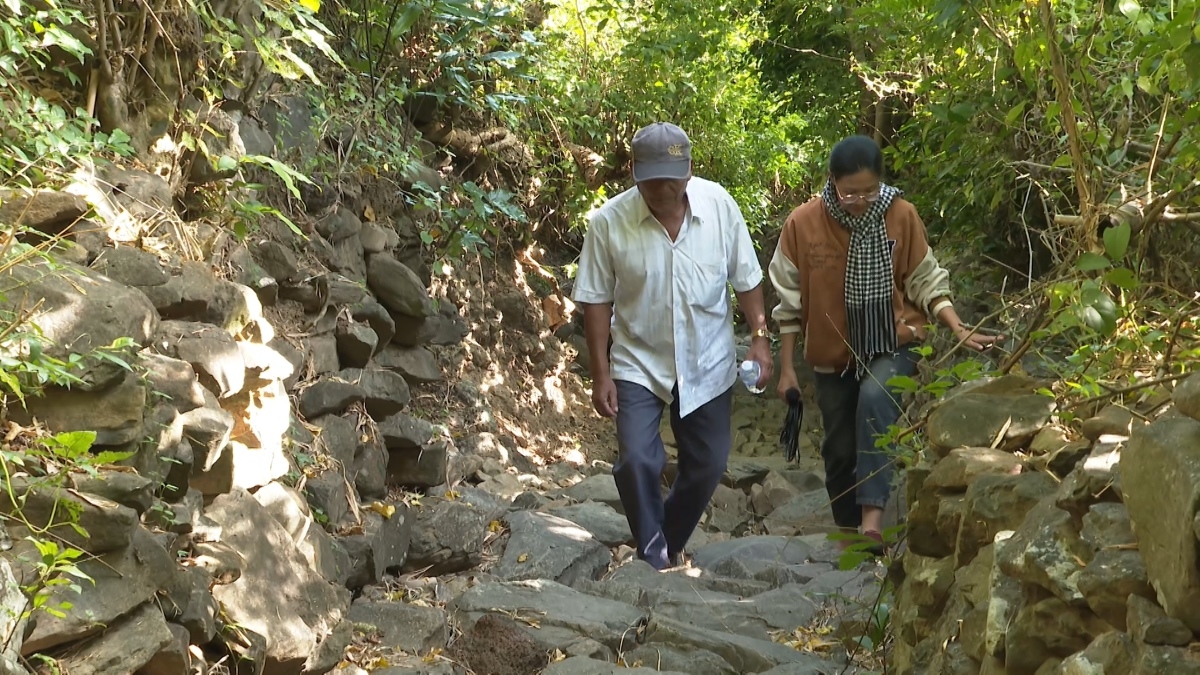
To get to a scenic site called Ganh Da Dia you must pass through Phu Hanh, the Village of Stone, which has been gaining popularity on social media and drawing visitors from far away. The ancient stone wells here still hold abundant fresh water.
Researcher Nguyen Danh Hanh said, “Our research shows that these wells date back at least 200 years. They should be preserved to help us understand the village’s history and to support local tourism development.”
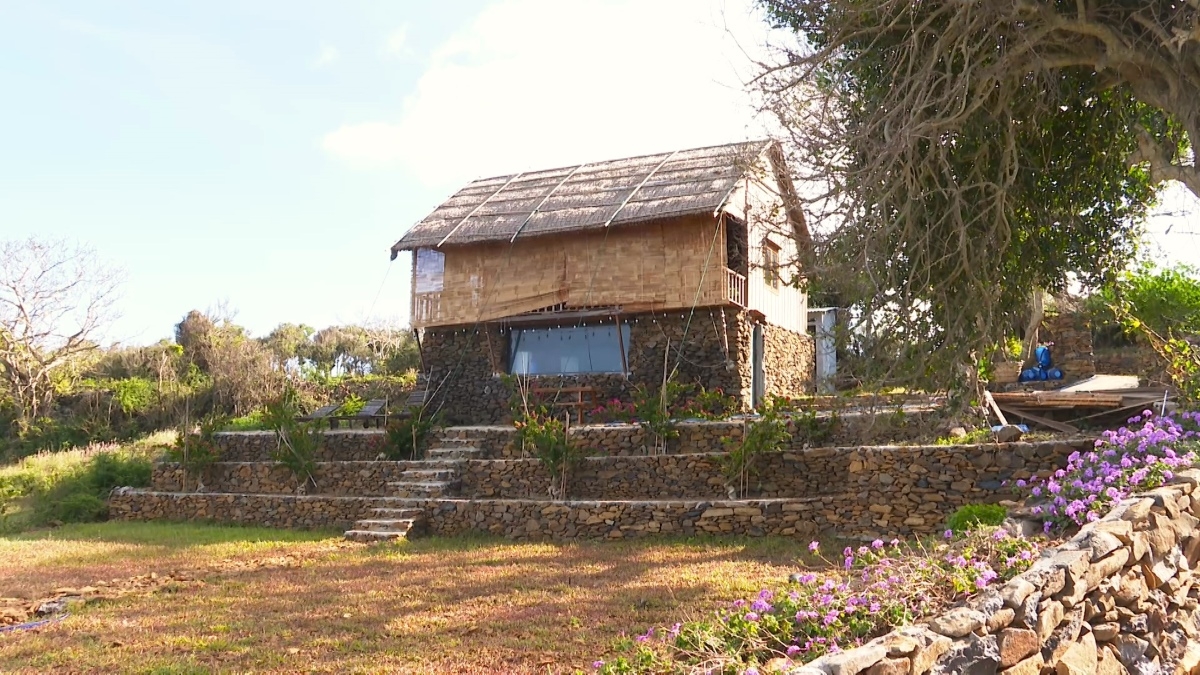
Phu Hanh village captivates visitors with its ancient stone paths winding past rows of hundred-year-old hackberry trees. At the foot of the village’s stone fences grow wildflowers, kalanchoe, and cacti, plants adapted to harsh weather. Visitors are amazed to see local houses made entirely of stone, livestock enclosures of stone, and stone tombs. Some of the houses and gardens are surrounded, like fortresses, by stone walls.
From Phu Hanh, a stone path leads up a low hill called Co Thach (Ancient Stone) hill, from the top of which there is a panoramic view of the beach below, Xuan Dai bay and Hon Yen (Swallow) islet.
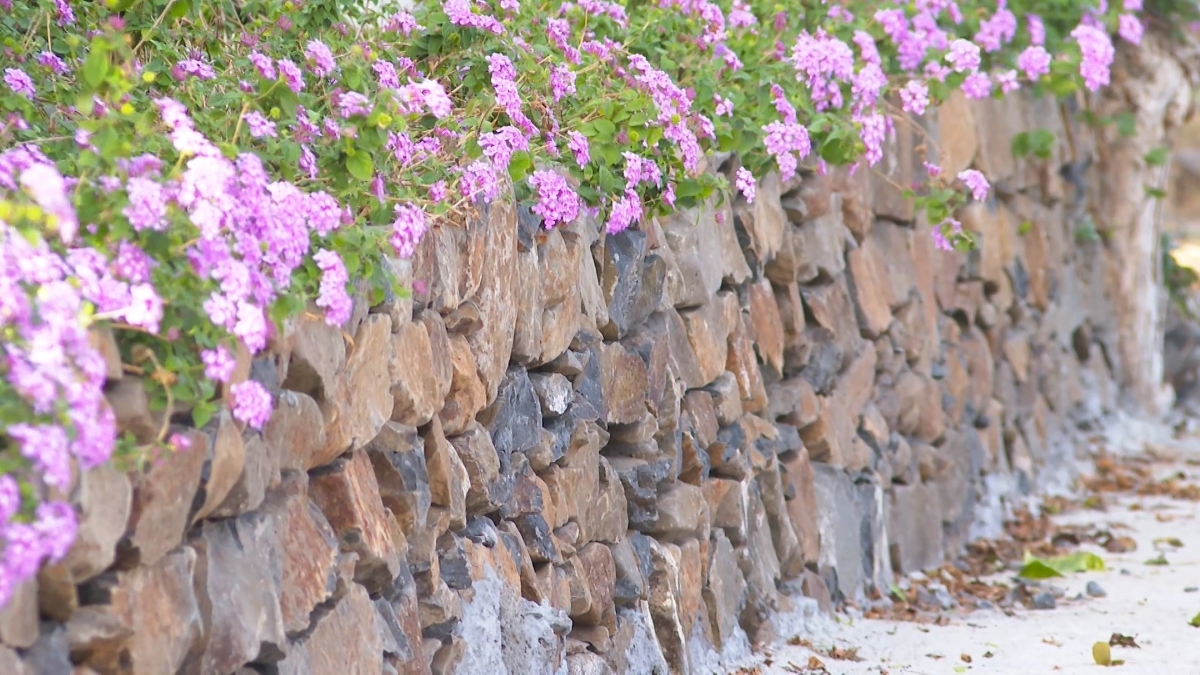
Nguyen Chi Tuong, a tourist from Dong Nai province, said, “Co Thach hill is very beautiful and has an ancient European feel. I’m impressed by its layered stones. It’s definitely worth the trip.”
Nguyen Huu Nhan from Hoa Hiep ward, Dak Lak province, said, “I saw this place on TikTok and thought it looked beautiful. In person, it truly is. The stones are beautifully arranged, and from the hilltop, the scenery is stunning.”
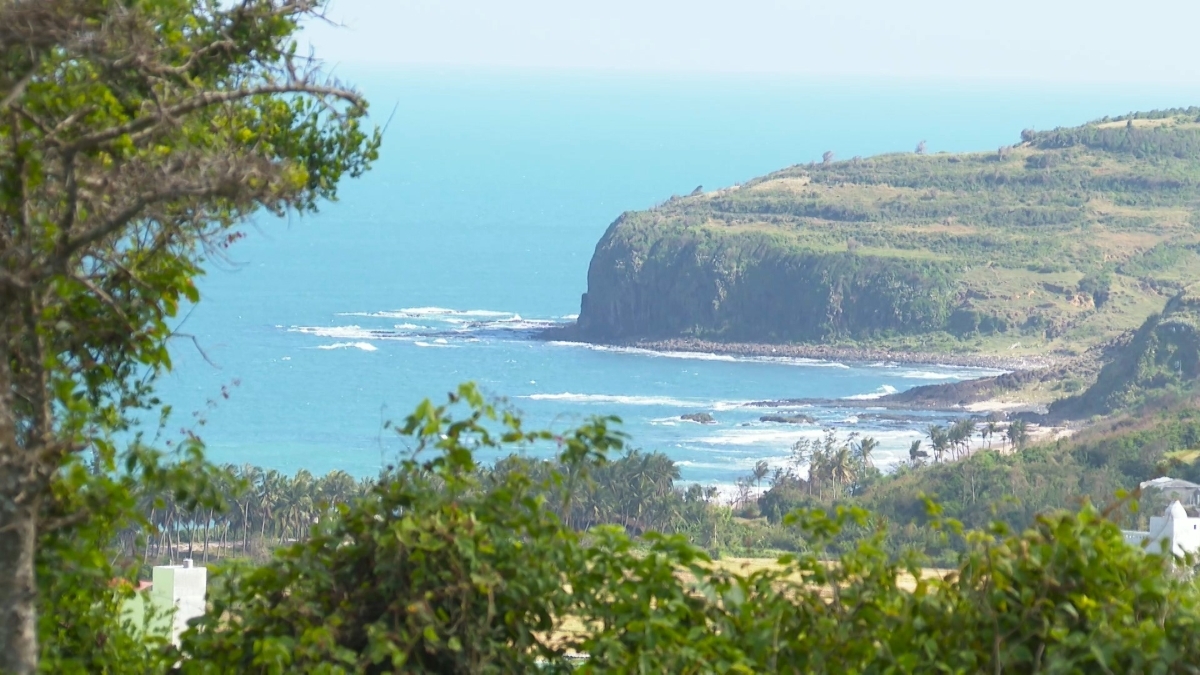
The stone structures in Phu Hanh village have endured many years of sun and rain. Nguyen Lau, a local resident, says he is proud to introduce his village’s stone heritage to tourists.
“Visitors climbing Co Thach hill often ask what kind of stone this is. I told them it is ancient stone. Our ancestors stacked these stones without cement, yet they remain solid to this day,” Lau said.