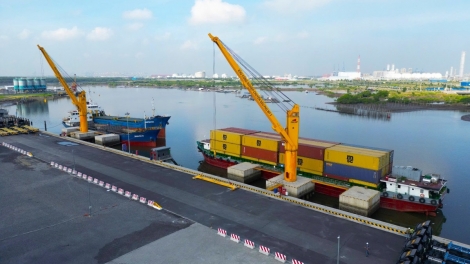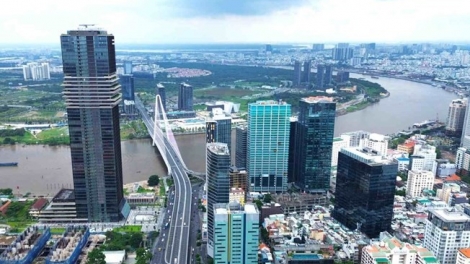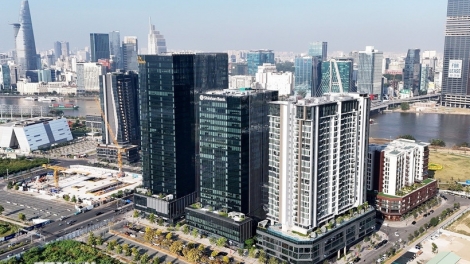



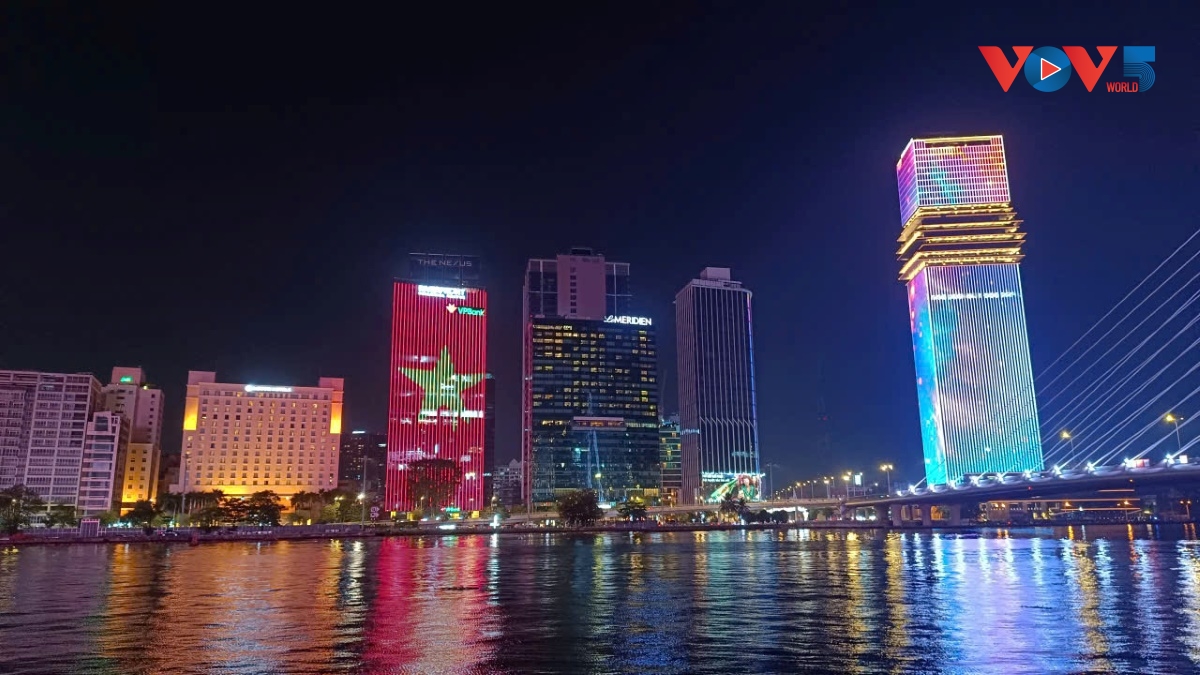
Vietnam requires an additional 70–80 billion USD annually to accelerate nationwide public infrastructure projects. In Ho Chi Minh City alone, 8 major public investment projects are underway, and businesses are facing an urgent need for financing. Many companies hope to tap capital through the Vietnam International Financial Center instead of relying on traditional bank loans.
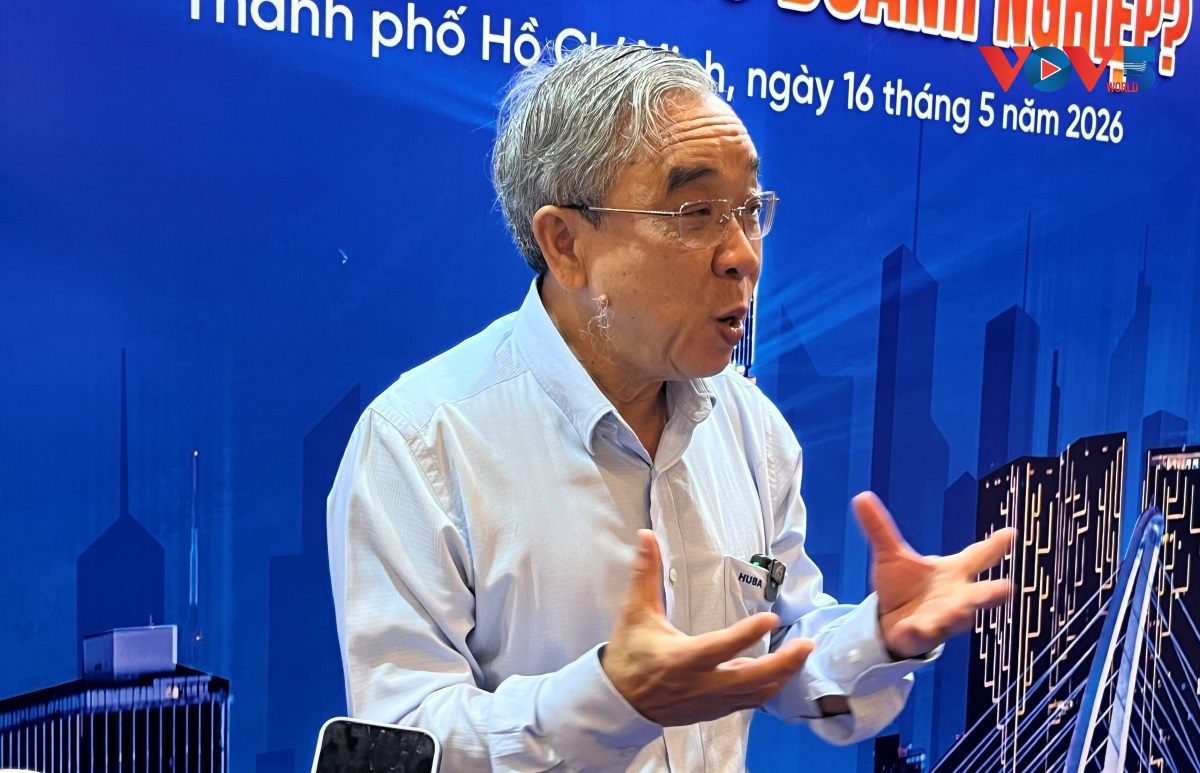
According to Nguyen Ngoc Hoa, Chairman of the Ho Chi Minh City Union of Business Associations, the financial center should develop mechanisms that enable businesses to access funding from international sources. Such a system would make it easier for small and micro-sized enterprises to secure financing for production and business expansion. Many companies see the VIFC-HCMC as a promising new channel for capital mobilization.
Hoa suggested, “We need clear regulations defining which sectors and industries are eligible to raise capital, and the scale and capacity required to do so. This falls under State management. Specialized agencies should play a balancing role between effective oversight and creating opportunities for businesses to access funding.”
Luu Trong An Ha, Director General of the Lotus Investment Group and representative of the VIFC joint-venture investor consortium, said that, beyond infrastructure development and legal reforms, attracting investment will require a transparent risk management framework that aligns with international standards. For large-scale projects, he added, investors also expect an appropriate level of State participation.
“If we compare an economy made up of foreign enterprises and small and medium-sized enterprises to an e-commerce platform, it becomes clear what Vietnam needs and what it lacks. A successful platform requires abundant products and mechanisms that protect both buyers and sellers. That’s the key issue we need to address for the VIFC-HCMC to mobilize capital effectively,” said Ha.
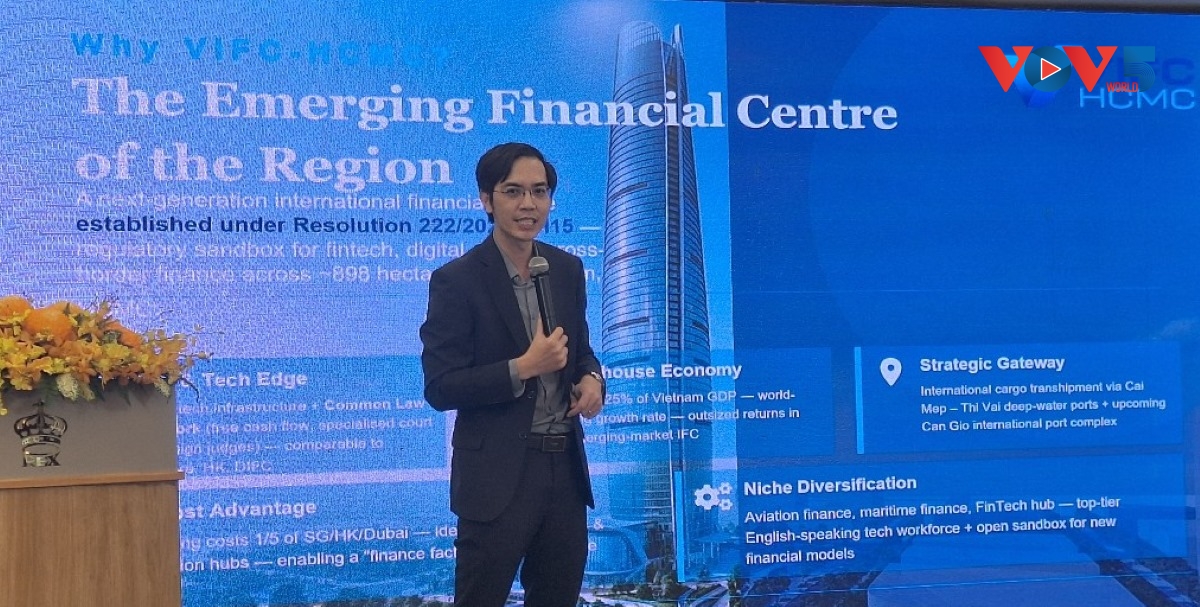
Associate Professor Dr. Nguyen Huu Huan, Deputy Chairman of the VIFC-HCMC Executive Agency, said the Center has developed plans to build its own capital market in response to the economy’s growing financing needs.
A domestic stock exchange will first be established before being upgraded into an International Stock Exchange capable of raising funds for businesses in Vietnam and across the region. To support this plan, the Center has signed a memorandum of cooperation with Nasdaq, the world’s second-largest stock exchange operator, to develop the trading platform.
According to VIFC-HCMC, preparations for the project—including technology, capital resources, and financial products—have been completed and are awaiting Government approval. The Center also plans to launch a dedicated fundraising platform for small and medium-sized enterprises, said Huan.
“In the near future, we will establish a crowdfunding platform for small and medium-sized enterprises and startups,” Huan added. “Although it will be smaller in scale than the International Stock Exchange, it will serve a large number of SMEs. Government Resolution 323 on financial policies for Vietnam’s International Financial Centers also allows small, micro, and startup businesses to raise up to 700,000 USD annually.”
At a recent meeting with ministries and leaders from Ho Chi Minh City and Da Nang on the development of Vietnam’s International Financial Centers, Prime Minister Le Minh Hung asked the Ministry of Finance and the State Bank of Vietnam to finalize the operating regulations for both centers in June. He called on the Ministry of Finance to design mechanisms that will facilitate the circulation of financial instruments and strengthen products to attract investors.
The two financial centers will operate under an Executive Council under the Prime Minister’s direct supervision, with the goal of drawing international capital flows to support strategic infrastructure development.
Prime Minister Hung urged the two cities to work with the Ministry of Finance and the State Bank to propose financial products linked to trade and investment activities. “These could include instruments for mobilizing medium- and long-term capital, such as government bonds, project bonds, or bonds tied to specific infrastructure projects. Both cities have major transport, seaport, airport, and energy projects that require significant investment,” according to the Prime Minister.
With Vietnam’s young workforce, dynamic economy, and strong growth prospects attracting growing international attention, many foreign investors are eager to channel funds into the VIFC. But to transform the Ho Chi Minh City center into an effective gateway for global capital, investors say Vietnam must establish a transparent regulatory framework and internationally aligned risk management mechanisms that inspire long-term confidence.