







A: First in our show today, we’d like to welcome Juan Carlos Pérez Montero of Spain, who wrote to us for the first time this week. Mr. Montero sent us a reception report for the broadcast on July 3 on the frequency of 11885 KHZ with SINPO of between 4 and 5.
B: Thanks for your reception report and we hope to receive more regular feedback from you. Next, we’d like to say hello to new listener from Russia, Victor Guzhov, who tuned in to the English program on July 3 on the frequency of 9835 Khz and reported a reception with SINPO of all 4s.
A: Mr. Guzhov, we will send you a QSL card to verify your reception report and hope to hear from you more regularly.
B: Our listener Sun Phol from Phnom Penh writes: “Ever since I learned that Vietnam sent a rescue team to Venezuela following the recent devastating earthquake, I have been closely following the news. These actions clearly demonstrate Vietnam's humanitarian tradition and international spirit.”
A: Thank you, Sun Phol. Having faced such hardships for decades, Vietnamese rescuers understand the suffering of affected communities. Whether in Turkey, Myanmar or now Venezuela, they bring not only professional skills but also compassion and solidarity to people in need.
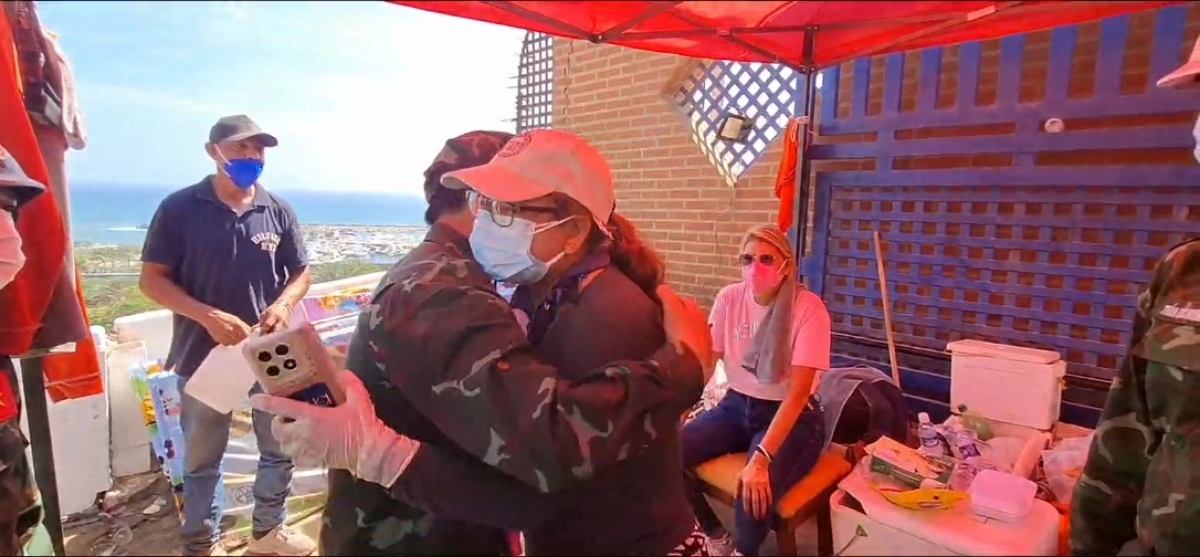
A: Major General Pham Van Ty, Deputy Director of the Rescue and Salvage Department under the General Staff of the Vietnam People’s Army and head of the military contingent, said: "This is the third time Vietnam has deployed personnel and equipment overseas to carry out humanitarian assistance and disaster relief missions. As soldiers, we are always ready to undertake our duties under any circumstances or conditions. With that spirit, we remain fully committed, clear in our purpose, and determined to fulfill the mission entrusted to us."
B: In recognition of Vietnam's compassion and invaluable assistance, the Venezuelan government on July 6, 2026, awarded the Vietnamese delegation the "Hero of Venezuela" Medal. Earlier, Acting President Delcy Rodríguez personally visited the team's base camp to express her appreciation and present a letter of gratitude to the Vietnamese rescue mission.
A: This week, many listeners share their interest in the Lotus Festival, which has recently been held in Hue and Hanoi. Among them, Sok Chanthy of Cambodia writes: "Through your program, I learned that the 2026 Hanoi Lotus Festival celebrated the lotus, Vietnam's cultural symbol, honoring its beauty and a wide range of high-quality products. It makes me want to try and buy them. The Vietnamese lotus is no longer just a flower, it has become a brand connecting culture and the economy."
B: Many people love lotus for its beauty and pure fragrance, symbolizing purity, resilience and grace. But today, the lotus has become much more than a cultural icon.
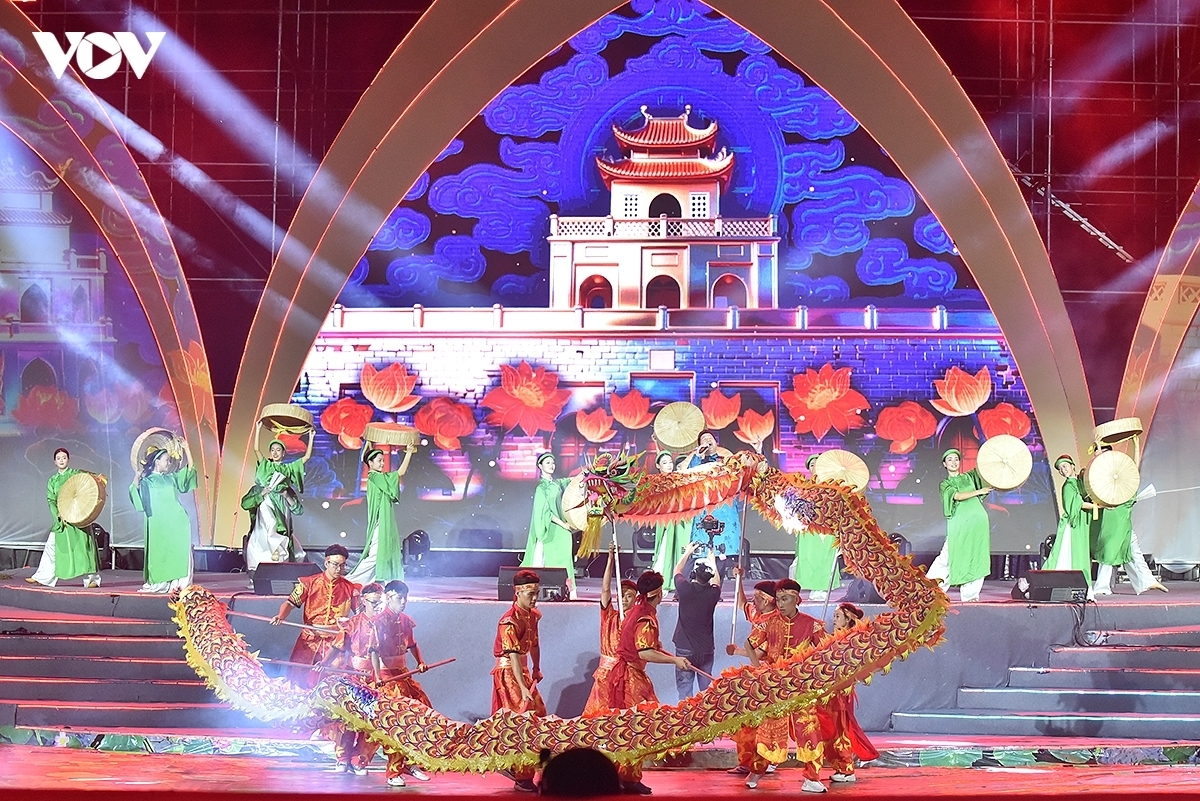
Tran Thi Hoai Tram, Director of the Hue Department of Tourism, said: "This year’s Hue Lotus Festival features many new activities, including workshops showcasing products made from lotus flowers. Visitors can make lotus-paper flowers, prepare lotus tea, and do other lotus-related activities. The Fine Dining night combines art performances, lighting and sound effects, and cultural presentations, honoring Hue’s lotus and cuisine.”
A: Lotus tea, scented with fresh blossoms, is perhaps the most famous. There are also lotus seed snacks, lotus root dishes, lotus silk scarves, cosmetics made from lotus extracts, herbal drinks, handicrafts, paintings and even contemporary fashion inspired by lotus motifs.
B: One of the most remarkable innovations is lotus silk. Unlike traditional silk produced by silkworms, lotus silk is made from fine fibers extracted by hand from lotus stems. The process is extremely labor-intensive, thousands of stems are needed to produce just a small scarf, making it one of the world's rarest textiles.
A: This is Letter Box, a popular weekly interactive segment on the Voice of Vietnam VOVWorld, where we share listeners’ feedback. This week, Lutz Winkler in Germany asked "What are Vietnamese people's holiday habits? What do they usually do during holidays? Do workers receive paid leave?"
B: Vietnamese look forward to public holidays as opportunities to relax, travel and spend time with family. The biggest and most important holiday is Tet, or the Lunar New Year which often falls on January or early February.
A: Tet is much more than a vacation. Families travel from cities back to their hometowns to reunite with parents and grandparents. Homes are cleaned and decorated with peach blossoms in the north or apricot blossoms in the south. Traditional foods such as banh chung (square sticky rice cake) and banh tet (cylindrical sticky rice cake) are prepared, and ancestors are honored with family ceremonies.
B: Besides Tet, Vietnam observes several national holidays, including Reunification Day on April 30, International Workers' Day on May 1, National Day on September 2 and Hung Kings Commemoration Day on the 10th day of the third lunar month which usually falls in April on the Gregorian calendar.
A: During shorter holidays, many families choose beach destinations such as Da Nang, Nha Trang or Phu Quoc, while others visit mountain areas like Sapa in Lao Cai province and the former Ha Giang now, Tuyen Quang province.
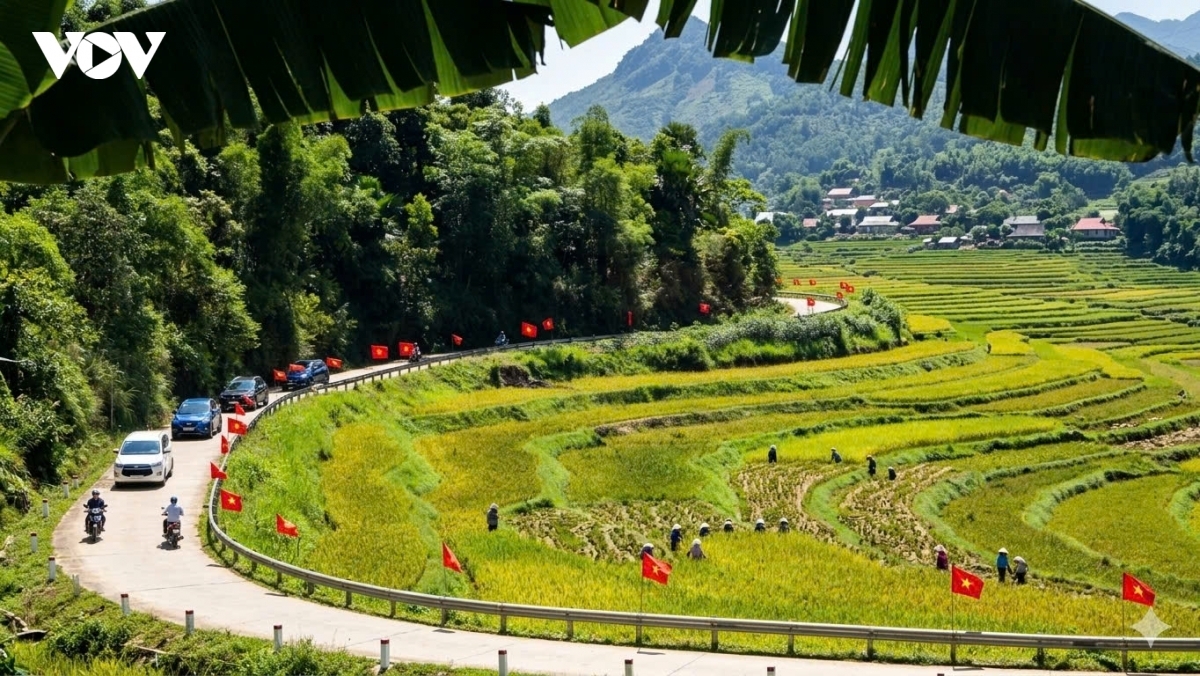
B: Under Vietnam's Labor Code, employees are entitled to fully paid time off on official public holidays. In addition, workers who have completed one year of service receive annual paid leave, generally twelve working days, with longer leave available depending on working conditions and years of service.
A: Our next letter comes from Cuba. Ezequiel Hernandez Gomez writes: "I lived in Hanoi from 1974 to 1975 and witnessed severe flooding of the Red River that destroyed crops. What measures have been taken to reduce flooding and protect people living along the river?"
B: Thank you, Ezequiel, for sharing such vivid memories. The Red River has shaped Hanoi's history for more than a thousand years. It brought fertile soil that supported agriculture, but it also brought devastating floods.
A: Since 1975, the time you remember, Vietnam has invested heavily in flood control. Thousands of kilometers of dike systems have been reinforced and modernized. Reservoirs upstream now help regulate river flow during the rainy season.
B: Today, urban planners increasingly view the Red River not as a threat to be contained but as an ecological and cultural asset to be managed sustainably.
A: In the final minute of the show, we’d like to thank Farhin Rahman of Bangladesh, for your reception report and for being a loyal VOV5 listener for 13 years. We're delighted that you enjoyed our program on the Thai Xoe dance.
B: Our thanks also go to Bidhan Chandra Sanyal in India, Mohamed Elsayed in Egypt for his thoughtful reflections on climate change and warm invitation to visit his country, and Richard Lemke in Canada for his detailed reception reports. We truly appreciate your continued support and friendship.
A: And that's all the time we have for this week's Letter Box. Thank you for your thoughtful letters and your fascinating questions. Every message reminds us that although thousands of kilometers separate us, radio continues to bring us together.
B: If you'd like your letter featured on the program, please write to us at the English Section, Voice of Vietnam, or send us an email at englisection@vov.vn.
A: Until next week, goodbye.


