







A: This week, we continued to receive greetings regarding the 101st anniversary of Vietnam Revolutionary Press Day, June 21st, from listeners around the world. We'd like to share part of a heartfelt congratulatory message sent by our longtime listener and friend, Vicentiu Gheorghe of Romania.
B: He wrote: "Over the years, Voice of Vietnam has inspired countless listeners around the world, including those in Romania, where many people have discovered the beauty of Vietnam through your broadcasts and digital platforms. I am proud to have contributed, in my own modest way, to promoting VOV and strengthening the bonds of friendship between the peoples of Romania and Vietnam.”
A: Thank you, Vicentiu. Your support over more than two decades means a great deal to us. Meanwhile, from Laos, listener Phetduongde in Vientiane would like to know about the origin of Vietnam Revolutionary Press Day.
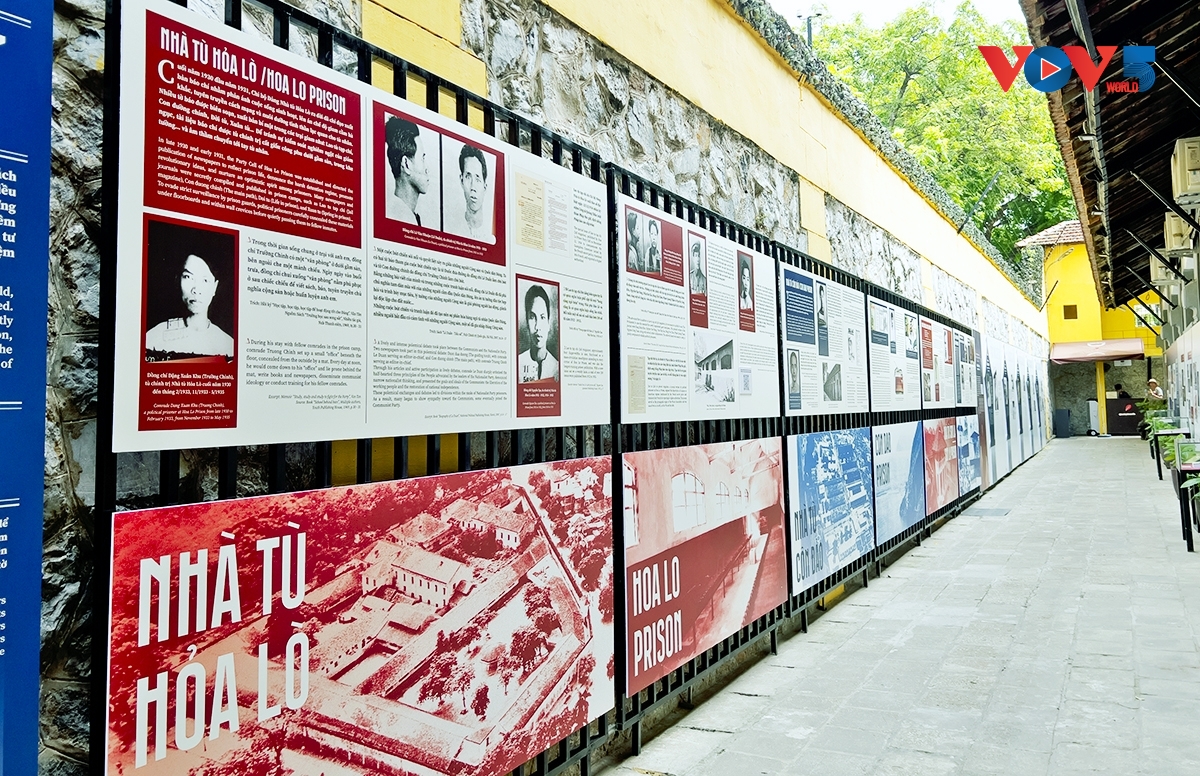
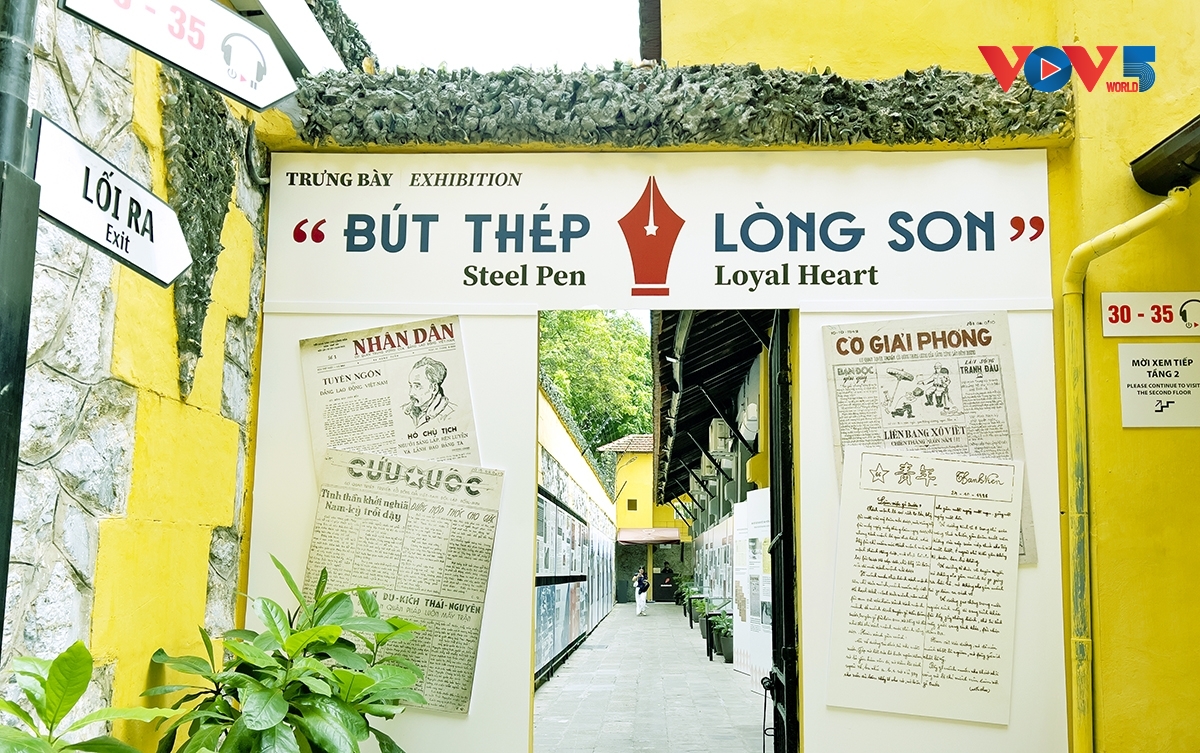
B: Vietnam Revolutionary Press Day is celebrated annually on June 21. The date commemorates June 21, 1925, when Nguyen Ai Quoc, later known as President Ho Chi Minh, founded Thanh Nien Newspaper.
A: This publication laid the foundation for Vietnam's revolutionary journalism and marked the beginning of a press tradition dedicated to national independence and social progress.
B: Every year, Vietnam Revolutionary Press Day celebrates the dedication of journalists, editors, broadcasters, and media professionals whose work keeps people informed and connected.
A: And this year's celebration is about much more than commemorating the past. In addition to the flowers, congratulations, and festive gatherings, Vietnamese journalists are looking ahead, discussing how the media can evolve to meet the demands of a rapidly changing digital world.
B: Among their concerns are the application of artificial intelligence in journalism, copyright protection in the era of generative AI, promotion of Vietnam’s image through the digital media ecosystem, and streamlining media organizations.
A: At the National Press Forum 2026 on future of Vietnamese journalism in digital era, Le Quoc Minh, President of the Vietnam Journalists Association, stressed that as social media and AI generate an overwhelming volume of information, mainstream journalism can no longer compete on speed alone.
Mr. Minh said: “Instead, journalism must redefine its mission around its core values: credibility, verification and insightful analysis. Maintaining content quality and professional integrity is the only way to preserve journalism’s leading role and ensure its sustainable development.”
B: Next, we’d like to say hello to Anand Mohan Bain of India, who sent us a long letter, telling us about his Radio Listeners’ Club which was started in 1990, and highlighting the club’s activities and contests aiming to increase listeners’ love for radio.
A: Mr. Bain, we’d also like to thank you for sending us a postcard of the Samlur Shiv Temple (also known as Karli Mahadev), an 11th-century archaeological shrine in India.
B: Our listener Hirano Seiichi of Japan wrote: "I heard about the double-decker bus tour in Hanoi in the Discovery Vietnam program. I think this tour highlighted the unique beauty of Hanoi. I hope to hear more cultural news like this from your station."
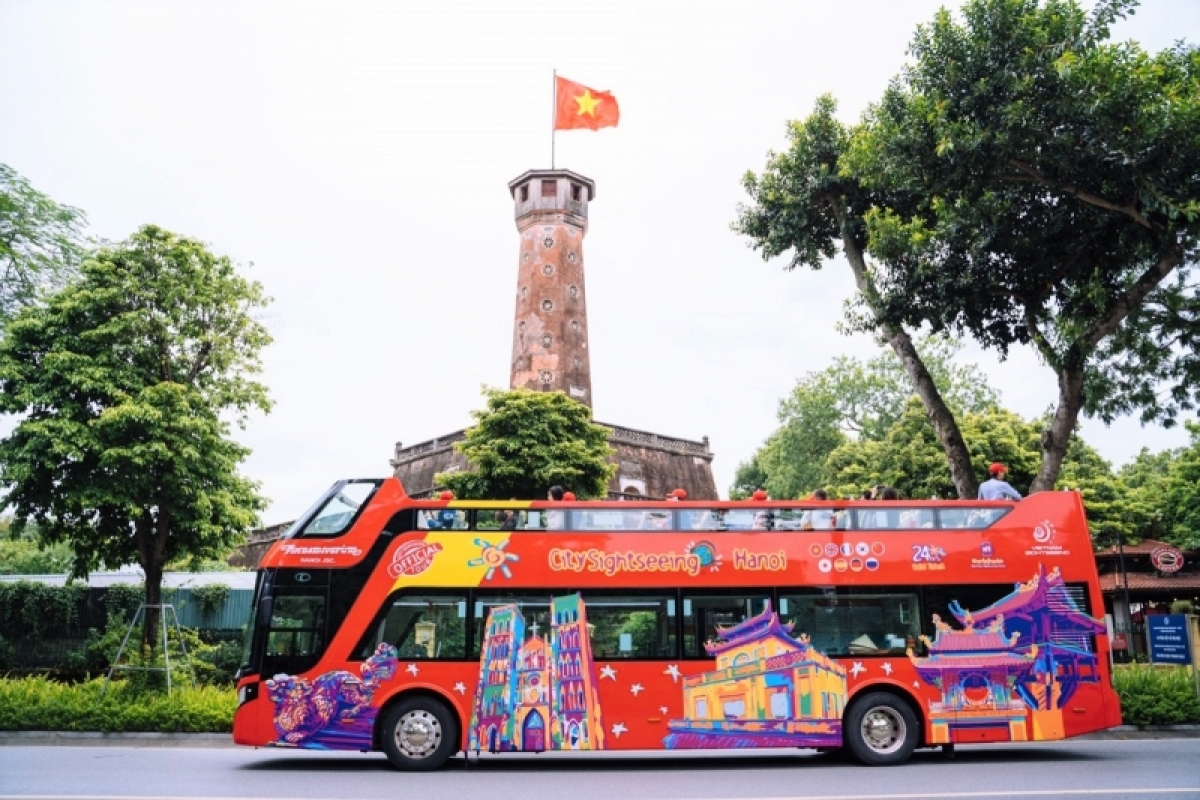
A: The double-decker sightseeing buses have become a popular way for visitors to explore Hanoi. Traveling through the city's historic streets, passengers can enjoy panoramic views of famous landmarks such as Hoan Kiem Lake, the Hanoi Opera House, the Temple of Literature, and the Ho Chi Minh Mausoleum.
B: What makes Hanoi special is the combination of old and new. Ancient pagodas stand alongside modern buildings, while tree-lined boulevards preserve memories of the city's thousand-year history.
A: In his email to VOVWORLD this week, our Canadian listener Chris Malboeuf, asks about President Ho Chi Minh's command of the French language.
B: Ho Chi Minh was remarkably gifted in languages. During his years abroad, he became fluent in French and used it extensively while living and working in that country. In fact, many of his articles, speeches, and political writings during the early twentieth century were written directly in French.
A: His language skills enabled him to communicate Vietnam's aspirations for independence to international audiences and to engage with intellectuals and political leaders around the world.
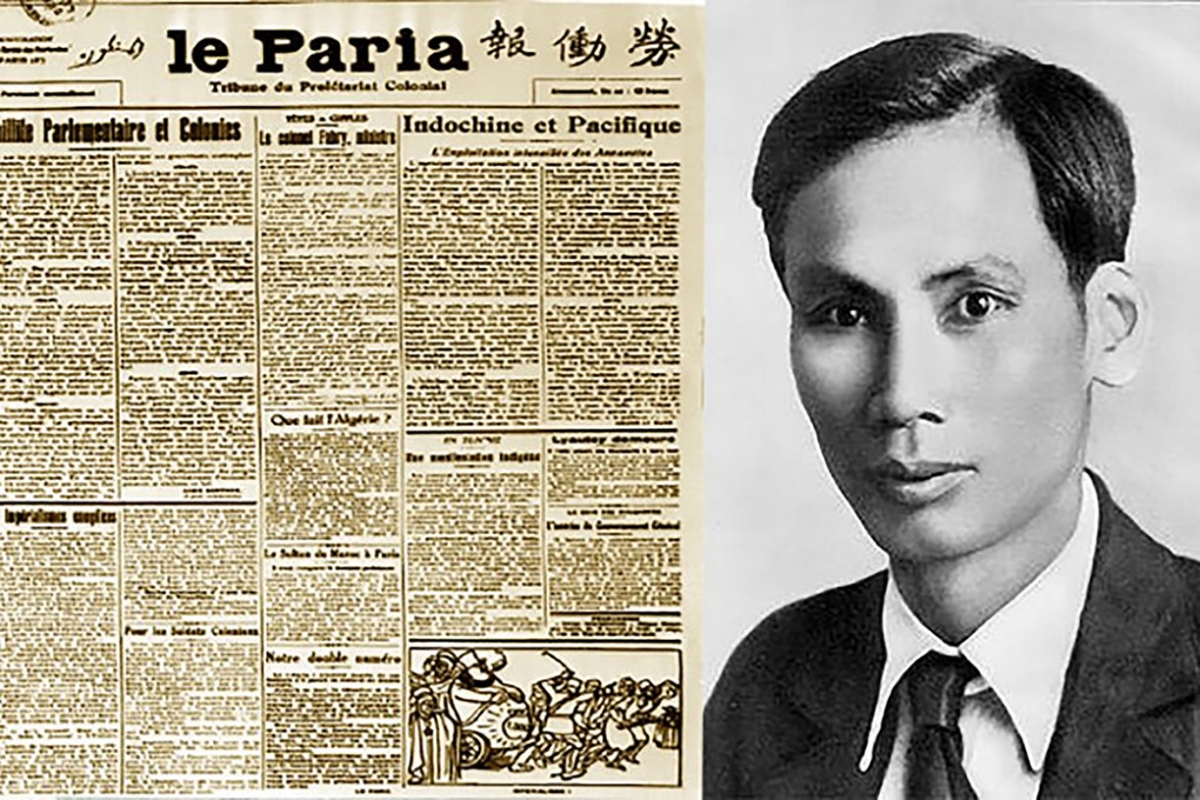
B: The story “Uncle Ho Learning Foreign Languages” in the book Ho Chi Minh – Stories and Lessons, compiled and recorded by Dr. Chu Duc Tinh, former Director of the Ho Chi Minh Museum, and published by the National Political Publishing House Truth (Su That), reveals that President Ho Chi Minh was proficient in eight foreign languages and, wherever he traveled, he made a point of learning the local language.
A: His example continues to inspire generations to embrace learning as a path to personal growth and understanding of the world.
B: Let’s listen to a short audio extracted from President Ho Chi Minh’s interview with a reporter from the French Broadcasting and Television Office (ORTF) on June 5, 1964, and the interview is excerpted from the 1964 French documentary "The Two Vietnams: North Vietnam" (Les deux Vietnam: Vietnam du Nord).
A: Translated into English, President Ho Chi Minh says “Vietnamese people are one, the country of Vietnam is one. The Americans have waged a war of aggression, as they say, an undeclared war”.
B: Reading a letter dated February 15, 1967, in response to a message from US President Lyndon Johnson who wanted to begin negotiations to end the war, Ho Chi Minh stated that he would not negotiate until the United States stopped bombing Vietnam: "Those are conditions put forward by aggressors. Never will the Vietnamese people accept them, nor can the world public opinion tolerate them. The Vietnamese people eagerly want peace to build up their country, but real independence must be achieved if there is to be real peace. "
A: That’s a short take on our beloved President Ho Chi Minh. We welcome our foreign listeners sharing their stories and understanding of President Ho Chi Minh.
B: Next, Maguy Roy of France congratulated us on our new website and in particular praised our photo report about Pu Luong Nature Reserve. He shared his interest in the site: "It is truly an unspoiled land that makes people dream of visiting it one day."
A: Nestled among rolling mountains in Thanh Hoa province, Pu Luong Nature Reserve is one of Vietnam’s most captivating eco-tourism destinations. Just a few hours from Hanoi, it offers a peaceful escape into a world of emerald rice terraces, tropical forests, and traditional ethnic villages.
B: Visitors can trek through breathtaking valleys, discover crystal-clear streams and waterfalls, and enjoy the fresh mountain air. One of Pu Luong’s highlights is Hieu waterfall, where cascading waters create natural pools perfect for a refreshing swim.
A: Beyond its stunning landscapes, Pu Luong is also a cultural treasure. The reserve is home to the Thai ethnic people, who have preserved their traditional stilt houses, weaving techniques, embroidery, and bamboo craftsmanship for generations. Staying in a local homestay allows travelers to experience authentic village life, sample regional cuisine, and learn about customs that have remained unchanged for centuries.
A: With its unspoiled beauty, rich culture, and relaxed pace of life, Pu Luong offers visitors a truly unforgettable experience.
B: Before we conclude, we'd like to thank our many listeners who sent reception reports this week, including Malik Allah Bachaya from Pakistan, Zannatul Zuthi, H.M. Tarek, Naznin Niha, and Moontaha Moon from Bangladesh, as well as Fabrys S. and many others.
A: That's all for this week's Letter Box. Until next time, keep listening, keep writing, and keep sharing your thoughts with us. Goodbye from Hanoi. And happy listening!


