







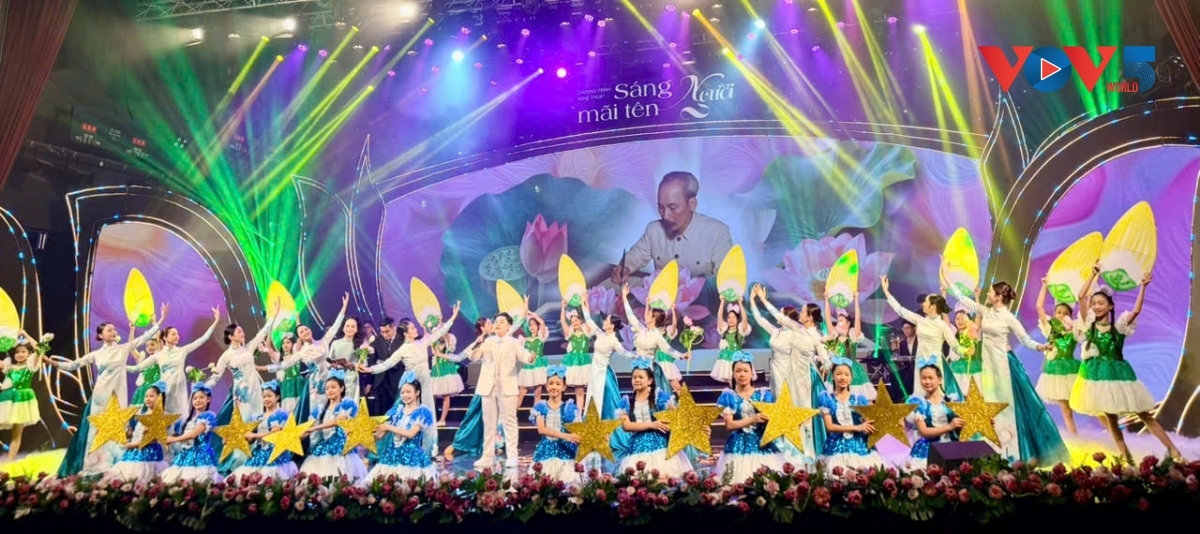
B: Let’s begin today’s program with listeners’ messages sent on the occasion of President Ho Chi Minh’s 136th birth anniversary, May 19.
A: Zhang Hanwen of China wrote: “President Ho Chi Minh is the great leader of the Vietnamese people and the builder and guardian of China-Vietnam friendship. Every time I hear stories, poems, and thoughts about him, I admire ‘Beloved Uncle Ho of the Vietnamese people’ even more.”
B: Amor Harbit Ouni of Germany writes: “May the thoughts and light from the life and career of President Ho Chi Minh continue illuminating generations today and tomorrow.”
A: Thank you, Zhang and Amor, for your messages which show how historical figures can transcend national borders and become symbols of peace, independence, and human dignity.
B: From Mexico, Armando Francisco Higuera del Reyo writes: “The teachings of President Ho Chi Minh will forever remain invaluable lessons for Vietnam and humanity. In Mexico, we always respect and remember the exemplary life of President Ho Chi Minh, an outstanding poet and revolutionary. Love for the people was the core value in his ideology.”
A: Thank you very much, Armando. What makes President Ho Chi Minh admired internationally is not only his role in Vietnam’s struggle for independence, but also his humanity.
B: His writings and poetry also continue to inspire readers around the world. In fact, his poems are taught at Vietnamese schools and universities today, not only as literature but also as lessons about resilience, optimism, and compassion.
A: Among the cultural legacies left by President Ho Chi Minh and recognized as national treasures of Vietnam, his “Prison Diary” stands out as an extraordinarily important work.
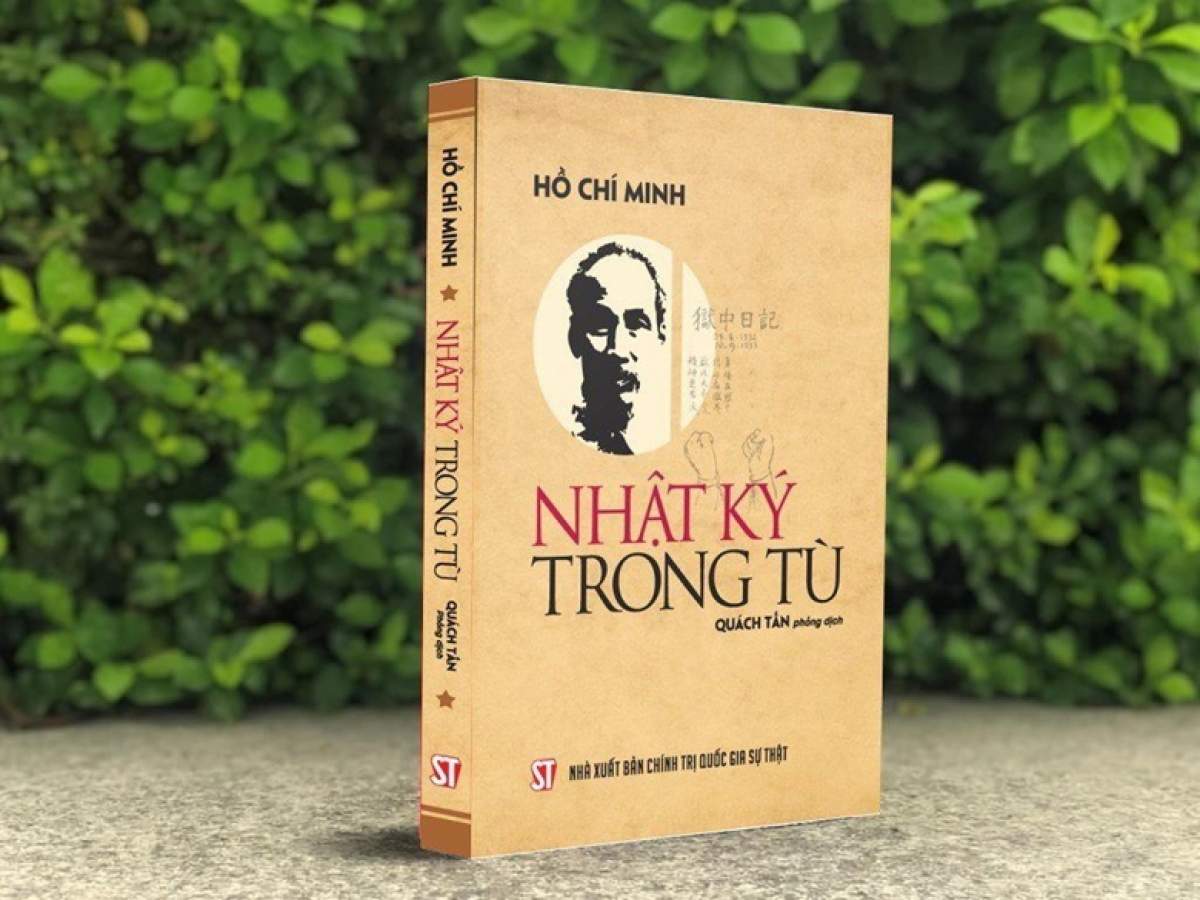
B: In 1943, revolutionary activist Nguyen Ai Quoc, who later became President Ho Chi Minh, wrote Prison Diary consisting of 133 poems in Chinese featuring his arduous journey of nearly 14 months, from August 1942 to September 1943, of detention and transfer to multiple prisons in Guangxi province, China. After 83 years, this work is still of great value, truly a cultural heritage of the Vietnamese nation.
A: According to analysts, "Prison Diary" embraces a profound literary meaning and is also considered a cultural heritage of the Vietnamese nation, ever since the work was translated into Vietnamese and released in 1960.
B: In the quartet poetic form, the “Prison Diary" collection has both lyrical and autobiographical poems presented in the form of a diary in a variety of styles, reflecting the prison conditions and the psychology of communist soldiers.
A: Over the years, many domestic and foreign scholars have highlighted the special value of "Prison Diary,” reflected in its rhetoric as well as the patriotism, steely spirit, and profound humanity it delivers.
B: It is one of the most frequently translated Vietnamese literary works. Dr. Vo Xuan Que, who lives in Finland, recently compiled a collection of these translations entitled “Prison Diary in Foreign Languages”. It contains 62 translations in 37 languages by 79 translators. Que said: "The translators have a profound respect for President Ho Chi Minh. They were inspired to translate ‘Prison Diary’ because it offered a more personal perspective of him—not just as a communist leader or revolutionary, but as a deeply human and artistic figure."
A: Dear listeners, if you find any copy of the translated Prison’s Diary in a bookstore in your neighborhood, please take a photo of it and share with us. If you can read it in your own language or in English, share your impression with us. For your information, the book is also available on many online book platforms like oreka.vn, Momo bookstore, and seboboeken.nl of the Netherlands. Enjoy reading!
B: In his correspondence to VOVWORLD this week, Juan Diez of Spain wrote: “The awards presented to Voice of Vietnam by international organizations confirm the undeniable quality of the station.”
A: Juan is referring to the recent recognition VOV received at international broadcasting events, including the award for Best Radio Program at the Asia-Pacific Institute for Broadcasting Development or AIBD International Awards 2026. The winning entry was the radio production “Peaceful Vietnamese New Year in Every Home: A Swift Order From Soldiers’ Hearts” by VOVWORLD (VOV5).
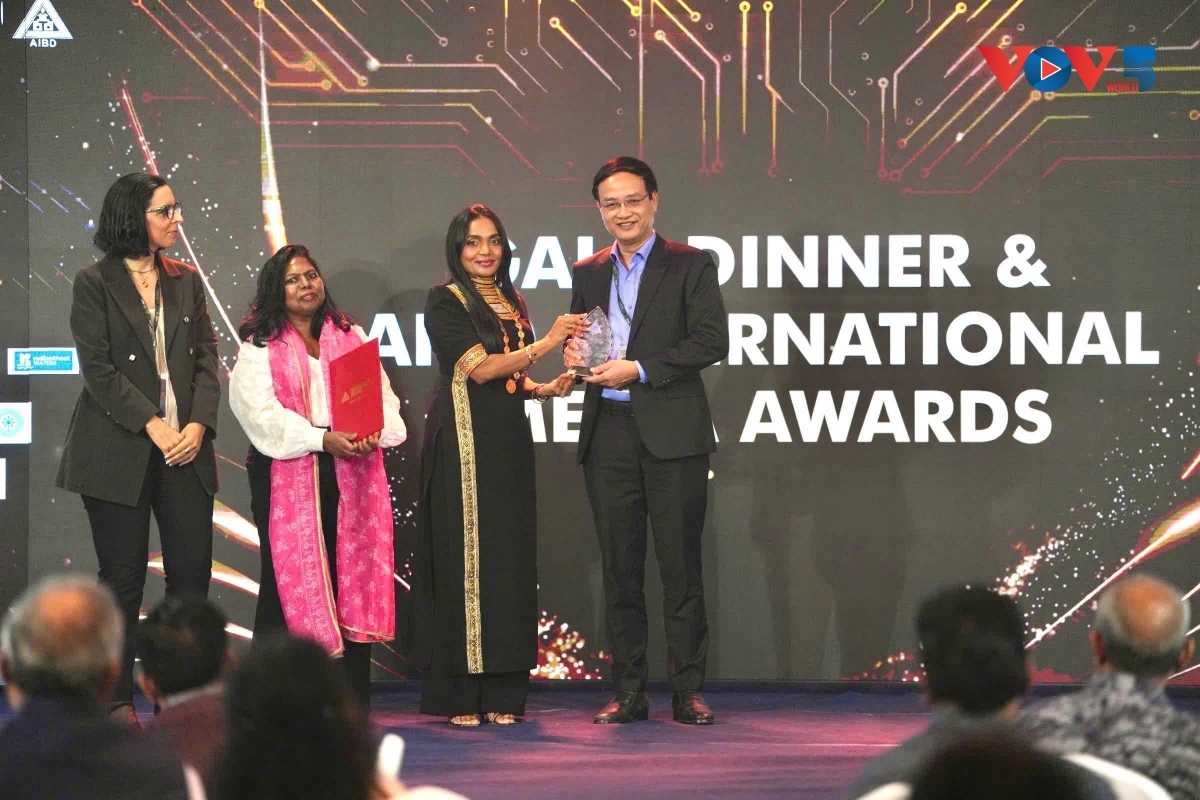
B: Reporting from flood-affected areas and reconstruction sites, reporter Lan Phuong captured emotional stories of loss and resilience, highlighting the strong bond between soldiers and local communities. Phuong said: “When I arrived in Khanh Hoa and Dak Lak to report on the story, traces of the November 2025 floods were still visible on stained walls, damp ground, and in the eyes of residents remembering days of ‘storm after storm’ and ‘flood after flood. I was deeply moved by the sight of soldiers carrying bricks and roofing houses in harsh weather so families could celebrate Tet in a new home. Their efforts brought local people a true sense of peace and security in a sturdy, warm home after nights spent fleeing the floods.”
A: The judging panel praised the program for its sincerity, warmth, and powerful storytelling, describing it as “a moving and memorable work” that represents excellence in radio storytelling.
B: These honors are deeply meaningful to us because they recognize VOV’s professional achievements and the dedication of VOV’s journalists.
A: Next up is an email from José Ignacio Coz Lezama of Spain: “Congratulations to Vietnam, its government, and armed forces for participating in United Nations efforts to help address the consequences of storms and floods around the world.”
B: Vietnam’s participation in UN peacekeeping and humanitarian activities has grown steadily in recent years. Vietnamese officers and medical teams have joined missions in Africa and other regions, contributing to reconstruction, healthcare, and disaster relief.
A: We also received a warm Eid al-Adha greeting from Egypt. Listener Sami Mosaad writes: “Eid al-Adha is considered the greatest holiday for Muslims because it carries profound meanings of mercy, affection, and solidarity.”
B: Sami beautifully explains the Islamic tradition of dividing the sacrificial meat into three parts: one for the poor, one for relatives and friends, and one for one’s own family.
A: Thank you, Sami, for sharing these meaningful cultural and spiritual values with our listeners. Eid al-Adha (the Festival of Sacrifice) in Vietnam is expected to be observed from May 27 through May 30, Vietnam is home to several Muslim communities, particularly among the Cham ethnic people in the south-central region.
B: During major Islamic holidays, mosques in places like An Giang, Khanh Hoa, and Ho Chi Minh City become gathering places filled with prayer, family reunions, and charitable activities.
A: This week, Bidhan Chandra Sanyal of India congratulates the Vietnamese team for winning six silver and two bronze medals at the 2026 Asian Physics Olympiad in South Korea.
B: Thank you very much, Sanyal, for your warm congratulations and continued encouragement for Vietnam’s young talents.
A: The achievement at this year’s Asian Physics Olympiad is indeed a proud moment for Vietnam. Competing against some of the strongest student teams in Asia, all eight Vietnamese contestants returned home with medals, reflecting intelligence and determination, and also the growing quality of science education in Vietnam.
B: Finally, we’d like to acknowledge correspondence from Siddhartha Bhattacharjee and Samrita Sukla of India, Muhammad Aqeel Bashir and Amir Jameel from Pakistan, Hasna Hena and Zannatul Zuthi of Bangladesh.
A: Thank you all for your loyalty over the years. Longtime listeners become part of the VOV family, and your reception reports are always appreciated.
B: Before we sign off, just a reminder for all listeners in Europe that as from June 1, 2026, we will switch VOVWORLD’s broadcast on the frequency of 9730 kHz to 9835 kHz with the broadcasting duration of 6 hours, from 16:00 to 22:00 UTC.
A: So please take a note of frequency change to keep updates of broadcasts of the Voice of Vietnam.
B: Please keep writing to us at the English Service, VOVWORLD, 45 Ba Trieu street, Hanoi, or email us anytime at englishsection@vov.vn.
A: Until next time, goodbye…and thank you for listening to the Voice of Vietnam.


