







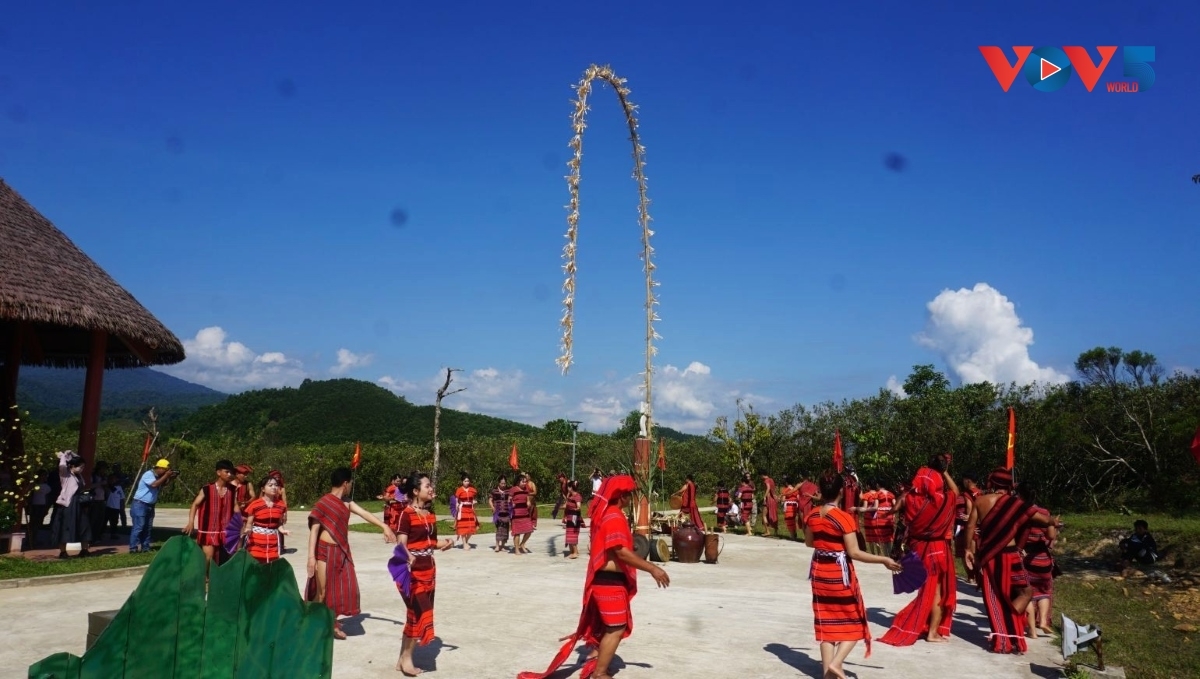
A: Let's begin with something that often leaves a lasting impression on visitors: Vietnam's rich cultural identity. This week, Dieter Feltes of Germany heard our program about traditional Vietnamese costumes. He also explored photographs on our website vovworld.vn and shared his impressions.
B: Dieter wrote: “During the recent Oktoberfest in Munich, many women and men could also be seen wearing traditional costumes. However, I find Vietnamese traditional costumes more colorful, with a wider range of colors.”
A: Thank you, Dieter, for sharing that observation. Vietnam’s traditional clothing reflects the country’s cultural diversity, with different styles, materials and decorative patterns associated with different regions and ethnic communities. The áo dài, for example, has become an internationally recognized symbol of Vietnamese elegance, while the traditional costumes of ethnic groups offer a remarkable variety of colors and designs.
B: Meanwhile, Hendra of Indonesia was intrigued by the sound of the đàn bầu or monochord, a traditional Vietnamese musical instrument. He asks how an instrument with only one string can produce such a wide range of sounds, when it is usually performed, and where foreign visitors can enjoy a performance.
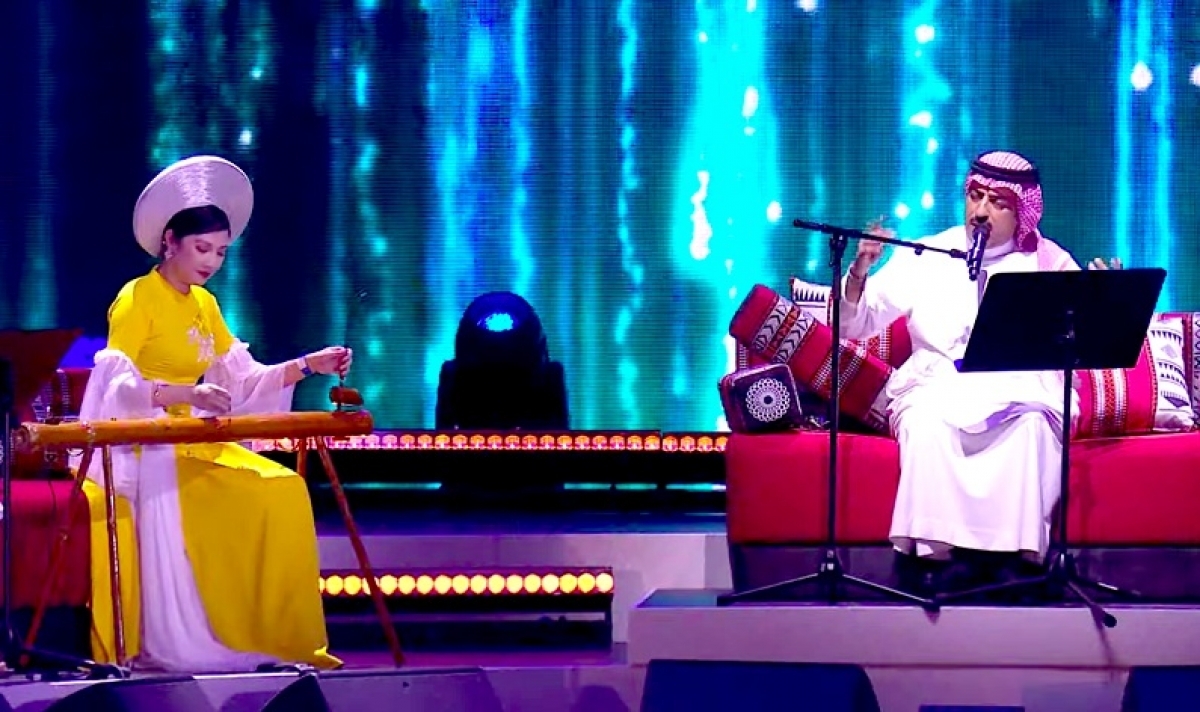
A: The đàn bầu is one of Vietnam’s most distinctive traditional instruments. It has a long, box-shaped soundboard that narrows slightly toward one end. At one end of the sound board is a flexible bamboo rod that goes through a dried calabash whose bottom end has been cut out before being fixed on the sound board. At the other end of the sound board is a peg made of wood or metal used for tuning. The metal string is attached to the rod and the peg. The string is plucked with a pointed stick made of bamboo or rattan. The instrument is about 1 meter long.
B: Its sound is produced by plucking a single string while using a flexible rod attached to the instrument to change the tension of the string. By carefully adjusting that tension, musicians can create delicate changes in pitch, producing expressive sounds that can resemble the human voice.
A: The monochord is an important instrument in the orchestra of Cheo (traditional opera theater), Cai Luong (reformed opera) and Quan Ho (folk-duet singing). It is also played in contemporary music.
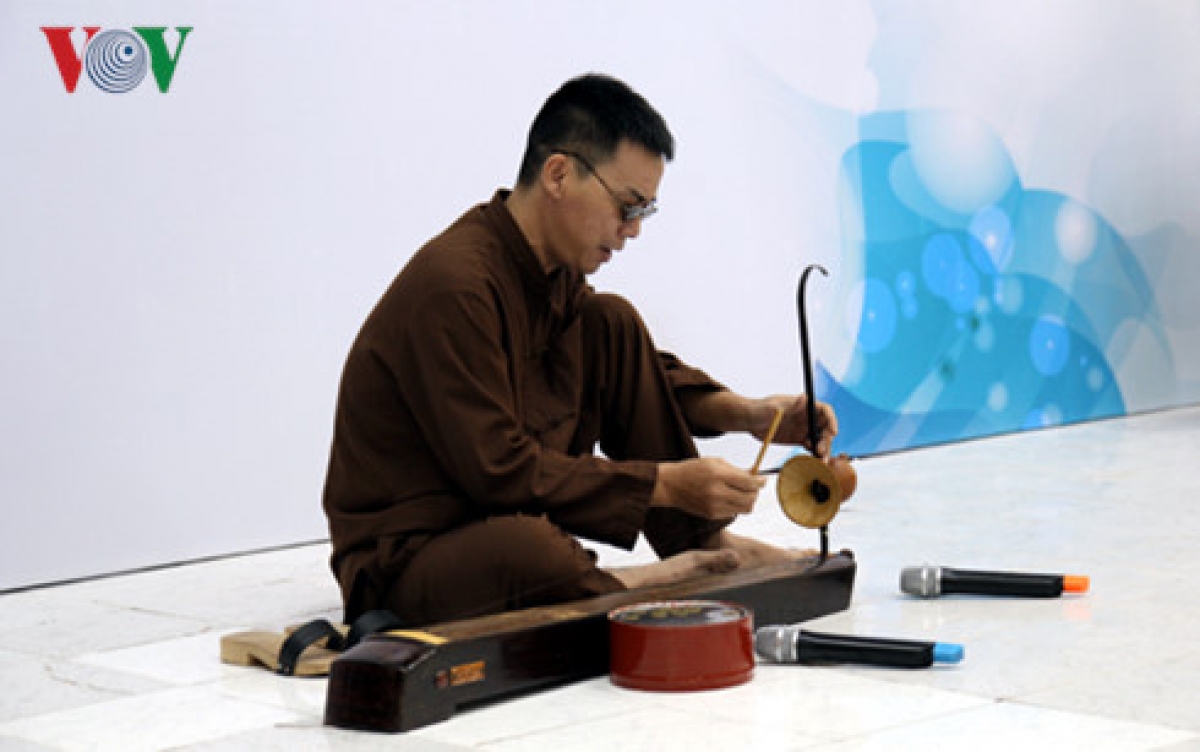
B: Visitors to Vietnam interested in hearing the đàn bầu can look for performances at traditional music theatres, cultural centers, festivals and music events in major cities such as Hanoi, Hue and Ho Chi Minh City. Some concerts also introduce international audiences to the instrument through demonstrations and explanations. Now, enjoy the beautiful sound of the Vietnamese monochord.
A: In his correspondence to VOVWORLD this week, Muhammad Aqeel Bashir of Pakistan said he was delighted to read about Vietnam’s pavilion at Pakistan’s second Tourism, Sports and Family Festival in Islamabad.
B: He was particularly impressed by the images of Ha Long Bay, Vietnam’s cultural landmarks and traditional handicrafts, including lacquerware, conical hats and ethnic costumes. Mr. Bashir believes such events help people understand one another's history, lifestyles, and values. He said such cultural festivals can encourage more Pakistani families and young people to visit Vietnam.
A: Mr. Bashir, thanks for sharing the story and we hope you had a chance to attend the festival and learn more about Vietnam, its land, and its people.
B: Now let’s hear from Chinmoy Mahato, president of the Guide International Radio Listeners Club in Jamshedpur, India. Mr. Mahato sends greetings for Vietnam’s National Day of Great Unity, Vietnamese Teachers’ Day and Vietnam Culture Day.
A: He was particularly interested in Vietnamese cultural activities held overseas, including events in Osaka, Japan, featuring Vietnamese films, arts, food and cultural education, as well as Vietnamese students introducing traditional dishes to visitors during Vietnam Day in New Zealand.
B: Mr. Mahato also asks how Vietnamese people celebrate Vietnamese Teachers’ Day on November 20, because his daughter Urvashi is a teacher and would like to know more.
A: Vietnamese Teachers’ Day is a significant day for the Vietnamese people to honor the tradition of respecting teachers. Not only students in schools but people from all walks of life express gratitude to their teachers, acknowledging the individuals who impart knowledge and valuable life lessons to them.
B: Schools, universities and communities use November 20 to appreciate teachers’ dedication and their contribution to society. Students often return to their former schools to visit teachers, offer flowers and express their gratitude.
A: Vietnamese Teacher's Day also serves as a moment for the education sector to reflect and evaluate the effectiveness of educational initiatives and chart pathways for enhancements in teaching and learning methods.
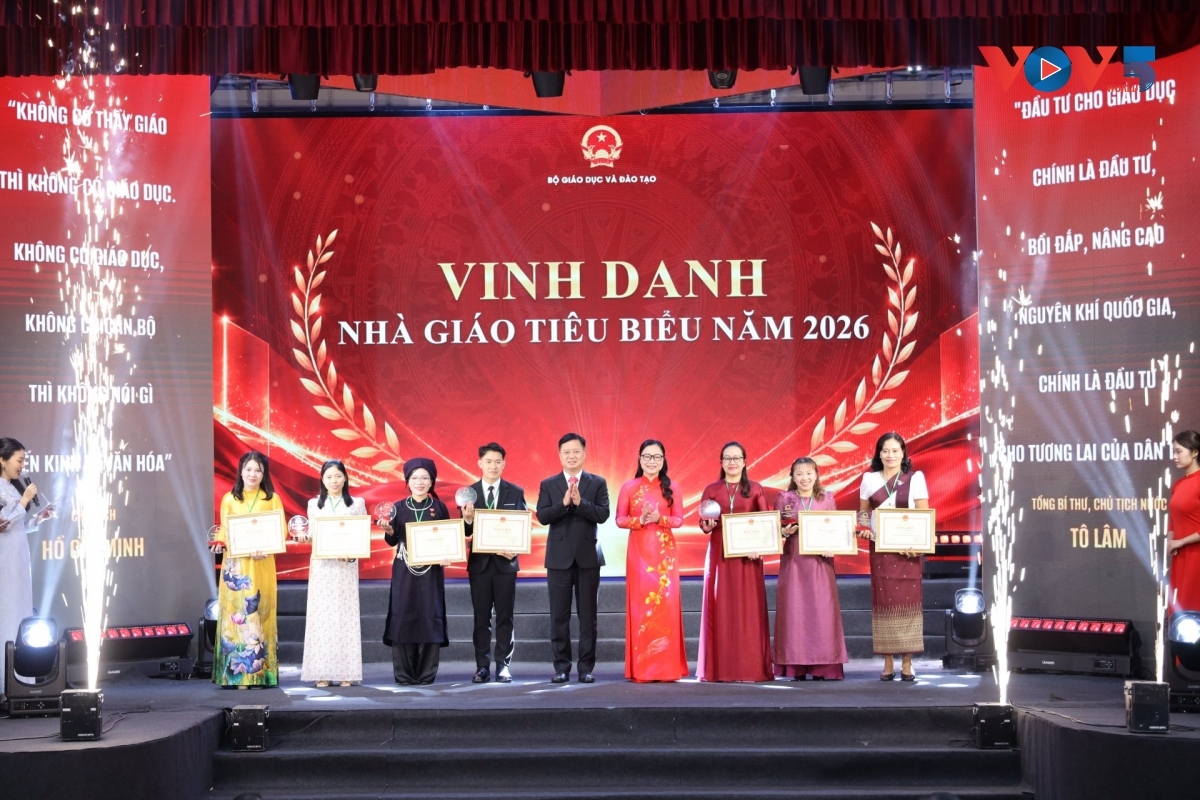
B: Many schools organize cultural performances, reunions and ceremonies. Former students may send messages or visit teachers who helped shape their lives. For many Vietnamese people, the day is not simply a professional celebration; it is also an expression of the traditional value of respecting teachers and appreciating those who pass on knowledge.
A: Mr. Mahato, please pass along our warm wishes to your daughter Urvashi and all teachers in India. We hope she has a rewarding career helping young people learn and grow.
B: Next, Chris Malboeuf, from Port Alberni, Canada, wants to know whether Vietnam observes daylight saving time.
A: The answer is no, Chris. Vietnam does not observe daylight saving time. The country follows Indochina Time, or ICT, throughout the year, which is seven hours ahead of Coordinated Universal Time, or UTC+7. Clocks do not move forward or backward seasonally.
B: That makes keeping track of the time relatively simple for international listeners. Whether you tune in during the summer or winter in Canada, Vietnam’s local time remains the same.
A: Thank you for writing, Chris. We hope this helps you plan your listening schedule! And now, as always, we turn to the listeners who have tuned in to our shortwave broadcasts and taken the time to send us their reception reports.
B: This week, we’d like to particularly acknowledge Massimiliano Parolini, from Milan, Italy, who tuned in on November 13 at 16:00 UTC on 11,885 kHz. He recorded a SINPO rating of 35333. What makes his message especially touching is that he has recently returned to shortwave listening after a break dating back to the 1980s. He also found an old VOV QSL card from his teenage years, bringing back many happy memories.
A: Thank you, Massimiliano. We’re delighted that shortwave radio has brought back those memories and reconnected you with Voice of Vietnam.
B: Bidhan Chandra Sanyal, from West Bengal, India, reports listening to our English service on November 14 at 19:00 UTC on 9,730 kHz. Using a Grundig Yacht Boy 80 receiver with an external antenna, he rated reception at SINPO 43434.
A: Jayanta Chakrabarty, from New Delhi, India, listened to our English program on November 10, from 16:00 to 16:30 UTC, on 7,220 kHz. He rated the reception at 43344.
B: We thank all listeners for recording their reception details and helping us monitor the quality of our broadcasts.
A: And thank you to everyone who wrote, called or tuned in to our programs this week. Your questions and reflections help us see Vietnam from many different perspectives, while your reception reports remind us that radio continues to connect people across borders.
B: Keep your letters and emails coming. We look forward to hearing from you again next week. Goodbye.


