







A: Your messages covered everything from Vietnamese food and coffee to fuel prices and the pleasures of shortwave listening.
B: This week, we have a warm Diwali greeting from Siddhartha Bhattacharjee in India. He writes: “May thousands of lamps light up your life with endless happiness, health, and wealth. Wishing you and your family a very Happy Diwali!”
A: Thank you, Siddhartha. We wish you and your family a joyful and peaceful Diwali, too.
A: Chinmoy Mahato, president of the Guide International Radio Listeners Club in Jamshedpur, India, sent us congratulations on Phú Quốc being named among Asia’s top islands for 2026, and shared his interest in our new classical music channel, Sonata FM89.
B: The Voice of Vietnam has rolled out a new music channel called Sonata-FM89 on its broadcast and online radio platforms. The classical music channel’s tagline is "Exquisite Music, Connecting Emotions".

A: It aims to enrich Vietnam’s cultural landscape by connecting global classical music with Vietnamese audiences, cultivating local talent, honoring creators and artists, and supporting the country’s classical music ecosystem.
B: VOV Sonata-FM89 is designed to offer music for listeners’ changing moods throughout the day. Mornings begin on a bright, cheerful note with “Sounds of the Sun,” followed by “Legendary Melodies,” featuring works by some of the world’s greatest composers. At lunchtime, listeners can unwind with “Emotional Station.” Evenings bring a more relaxed mood with timeless jazz classics, while “Concert Hall” features live and recorded performances.
A: Next, David Iurescia of Argentina has a suggestion for VOVWORLD. He believes monthly competitions could encourage more people to listen and write to us.
B: That’s a thoughtful suggestion, David. A quiz could add an interactive element to international broadcasting, giving listeners a reason to explore a country, test their knowledge, and take part in a shared activity. We appreciate your idea and will share it with our program team for consideration.
A: We also have a message from Spain. Juan Carlos Gil Mongío tells us that two of his favorite VOVWORLD programs are “Village Life” and “Colorful Vietnam – Vietnam’s 54 Ethnic Groups.”
B: He writes: “Both programs provide interesting and useful information, and help nurture respect, mutual understanding and love for the country’s cultural heritage. I hope you will continue producing these informative and culturally valuable programs, so that we can learn more about and grow to love beautiful and fascinating Vietnam.”
A: Thank you, Juan Carlos. We’re glad these programs have helped you feel closer to Vietnam.
B: This week, Lim Chanda, writing from Phnom Penh, Cambodia, would like us to introduce Hanoi’s famous cốm. This is a particularly good time to talk about it.
A: Cốm is made from young green sticky rice, harvested while the grains are still tender and milky. It is one of Hanoi’s most distinctive autumn delicacies, known for its delicate fragrance, soft texture, and gentle sweetness.
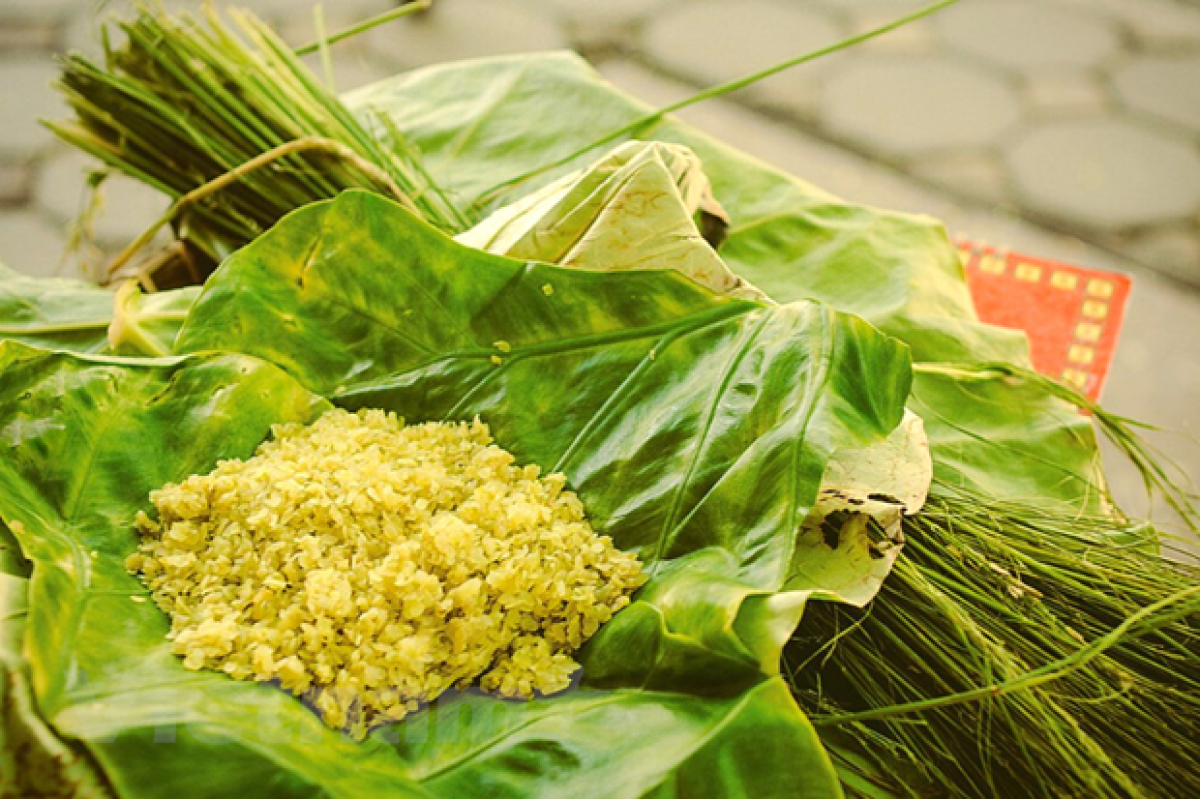
B: The traditional craft is closely associated with Vòng village in Hanoi. Making cốm is a careful, time-consuming process. Farmers select young rice at just the right stage of maturity. The grains are then dried, roasted, and pounded to remove their husks and flatten them into thin, soft flakes.
A: Traditionally, fresh cốm is wrapped in lotus leaves and tied with strands of green rice straw. The leaves help preserve its fragrance, while the green wrapping makes the package as appealing as the food itself.
B: How do Vietnamese people enjoy it? Some eat fresh cốm on its own, taking small pinches to appreciate its subtle flavor. The best choice for many Vietnamese people is to eat com with a just-ripe chuối tiêu banana. Its natural sweetness and soft texture blend beautifully with the delicate aroma and pleasantly chewy, nutty flavour of fresh young green rice, or cốm. Together, they create a simple yet distinctive taste of Hanoi’s autumn – a delightful combination that is both gentle and memorable.
A: It is also used in a range of dishes and sweets, including xôi cốm, or steamed sticky rice with green rice flakes, and bánh cốm, a sweet cake often filled with mung bean paste.
B: For many Hanoians, Cốm is not just a seasonal snack. Its fragrance evokes childhood memories and the arrival of autumn. It is also a popular gift, reflecting the understated elegance associated with the capital.
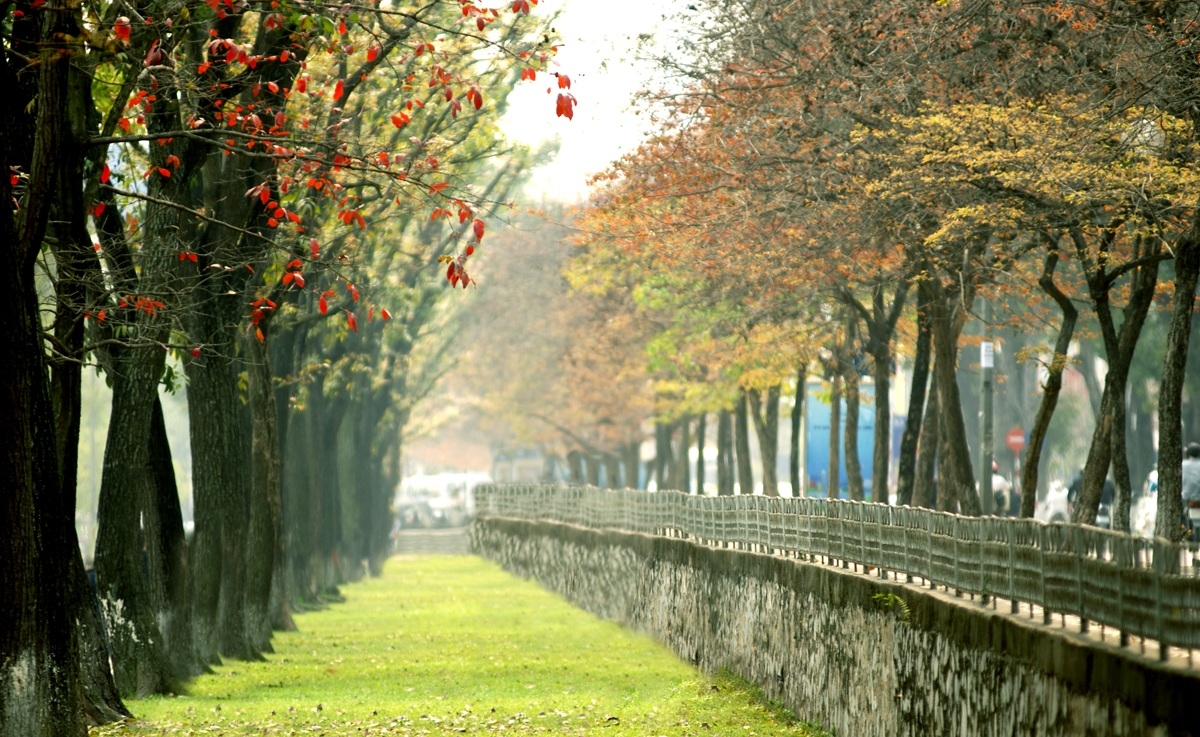
A: Lim, if you visit Hanoi in autumn, look for fresh cốm from traditional producers. And remember, it is a delicate food best enjoyed fresh. We hope you’ll have the chance to taste it one day!
B: And now, another food-related request from Hokamura Fumito in Fukuoka, Japan, who would like to know more about Vietnamese coffee.
A: Coffee is an integral part of everyday life in Vietnam. A familiar sight is the phin, a small metal filter through which strong coffee slowly drips into a cup. Vietnam is particularly known for its robusta beans, grown largely in the Central Highlands, especially around Buôn Ma Thuột in Đắk Lắk province.
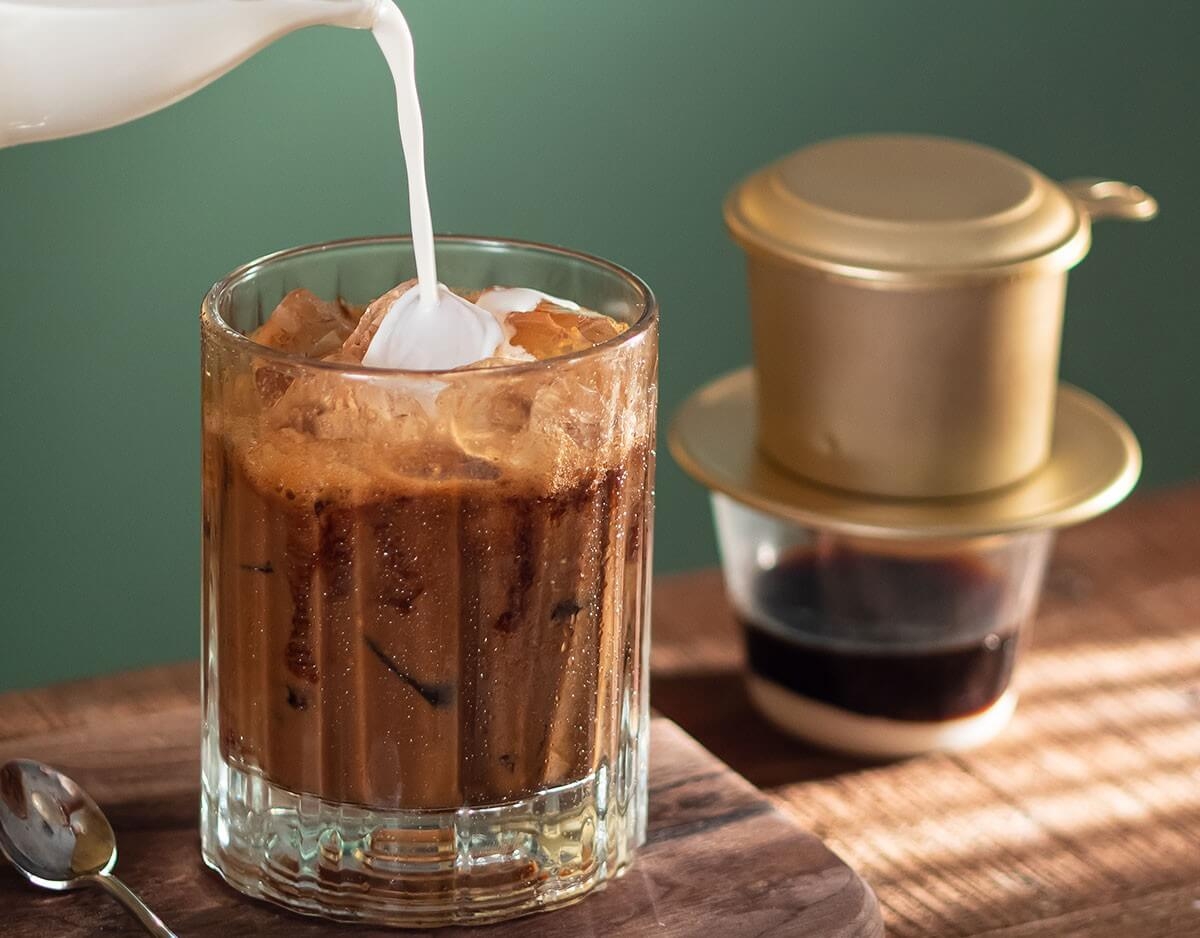
B: One must-try favorite is cà phê sữa đá, strong coffee mixed with condensed milk and served over ice. Hanoi, meanwhile, is famous for egg coffee, topped with a rich, creamy blend of egg yolk and condensed milk. Other popular variations include coconut coffee and salt coffee.
A: Beyond the drinks themselves, Vietnamese coffee culture is about slowing down, chatting with friends, and enjoying the atmosphere, whether at a sidewalk café or in a cozy spot in an old building.
B: Hokamura, if you visit Vietnam, don’t miss the experience of traditional phin coffee. Take your time and savor every drop!
A: In his letter to VOVWORLD this week, Sugai Kazuhiro of Japan asks how the Vietnamese government stabilizes domestic fuel prices amid current market conditions.
B: This is an important question because fuel prices affect almost every part of the economy. The authorities monitor international petroleum prices and other factors that contribute to domestic fuel costs. Prices are adjusted under the country’s fuel-price management mechanism, with the Ministry of Industry and Trade and the Ministry of Finance coordinating the process.
A: The Petroleum Price Stabilization Fund is another tool available to the authorities. Depending on market conditions and policy decisions, money can be added to the fund or used to moderate price movements. The government also monitors supply and requires fuel businesses to meet their responsibilities to ensure adequate distribution and avoid interruptions.
B: Next, we’d like to acknowledge reception reports from Omar Faruk in Bangladesh, who monitored our 7,220 kHz frequency on several dates in October and rated reception 444 for its clear, good sound.
A: Bidhan Chandra Sanyal in India reports reception rated 43434 on 9,730 kHz, while Nijat Imranli in Berlin, Germany, has followed up on two reports sent in August. Amir Jameel, president of the VOV Online Visitors Club in Pakistan, reports excellent reception on 7,220 kHz, giving it a rating of all 4s.
B: Safril Susanto in Indonesia reports moderate reception of our Vietnamese service on AM 711 kHz, while Abid Hussain Sajid in Pakistan rates our English service on 11,885 kHz at 444.
A: Thank you all for listening and staying connected with VOV! That brings us to the end of this week’s Letter Box. Thank you to everyone who wrote, called, sent reception reports, or shared suggestions. Your messages make this program a lively meeting place for friends of Vietnam around the world.
B: Until next time, take care, keep listening and goodbye!


