







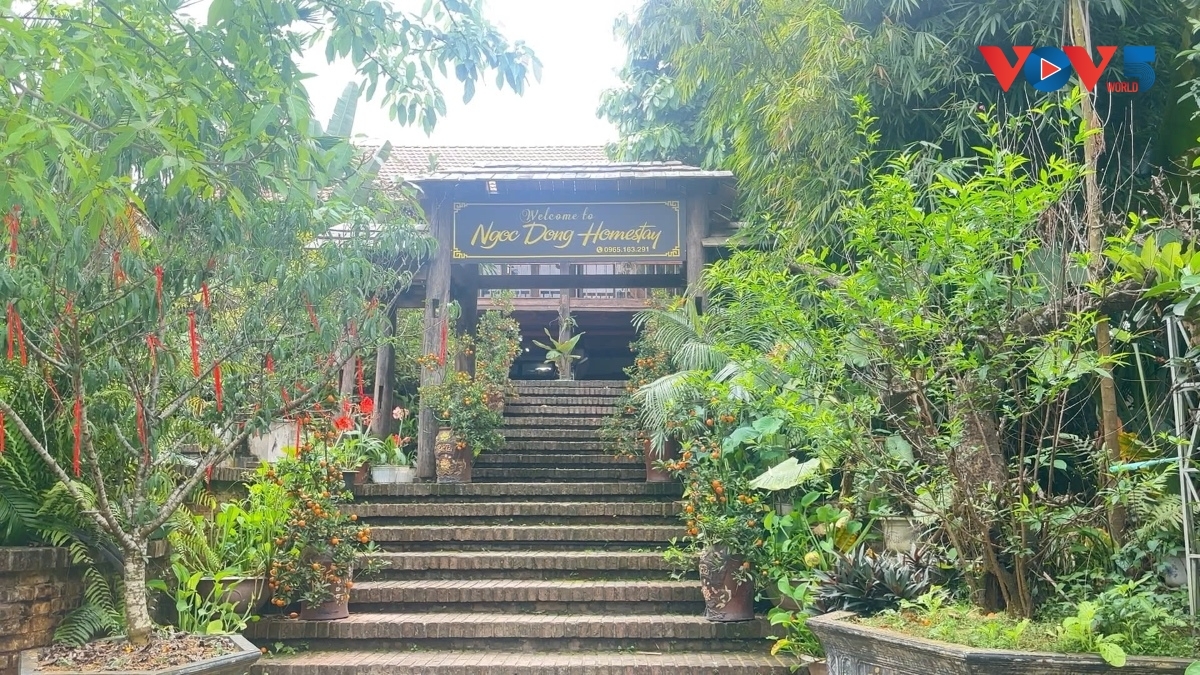
A: This week, from Spain, Juan Diez reflects on a global issue: “Vietnam continues to strive for sustainable development for people and nations. Protecting the planet is essential, starting with not harming the environment.”
B: Juan, your message resonates deeply. In Vietnam, sustainability is no longer just a concept, it’s becoming a way of life. From eco-tourism in places like Ha Giang and Quang Nam to urban green initiatives in Hanoi and Ho Chi Minh City, the country is embracing a balance between growth and environmental protection. The idea is simple but powerful, that development should not come at the cost of the future.
A: Next, Wada Yoshiaki of Japan has questions: “Have you ever compared your broadcasting with international radio stations?” and “Does Vietnam have a ranking system for national cultural heritage?”
B: Great questions. On broadcasting—yes, Voice of Vietnam continuously benchmarks itself against international broadcasters, especially in digital transformation, multilingual content, and audience engagement. The goal is not just to keep up, but to maintain a distinct voice rooted in Vietnamese identity.
A: As for cultural heritage, Vietnam does have a formal classification system. Cultural sites are ranked at provincial, national, and special national levels, based on historical, cultural, and scientific value. There are also regulations guiding how local communities preserve and promote these heritages, ensuring that traditions are protected while still alive and evolving.
B: In their correspondence to VOVWORLD this week, many listeners share their interest in the Hung Kings Commemoration Day and the Hung Kings Festival 2026. Some listeners particularly ask about the Hung Kings Temple Complex.
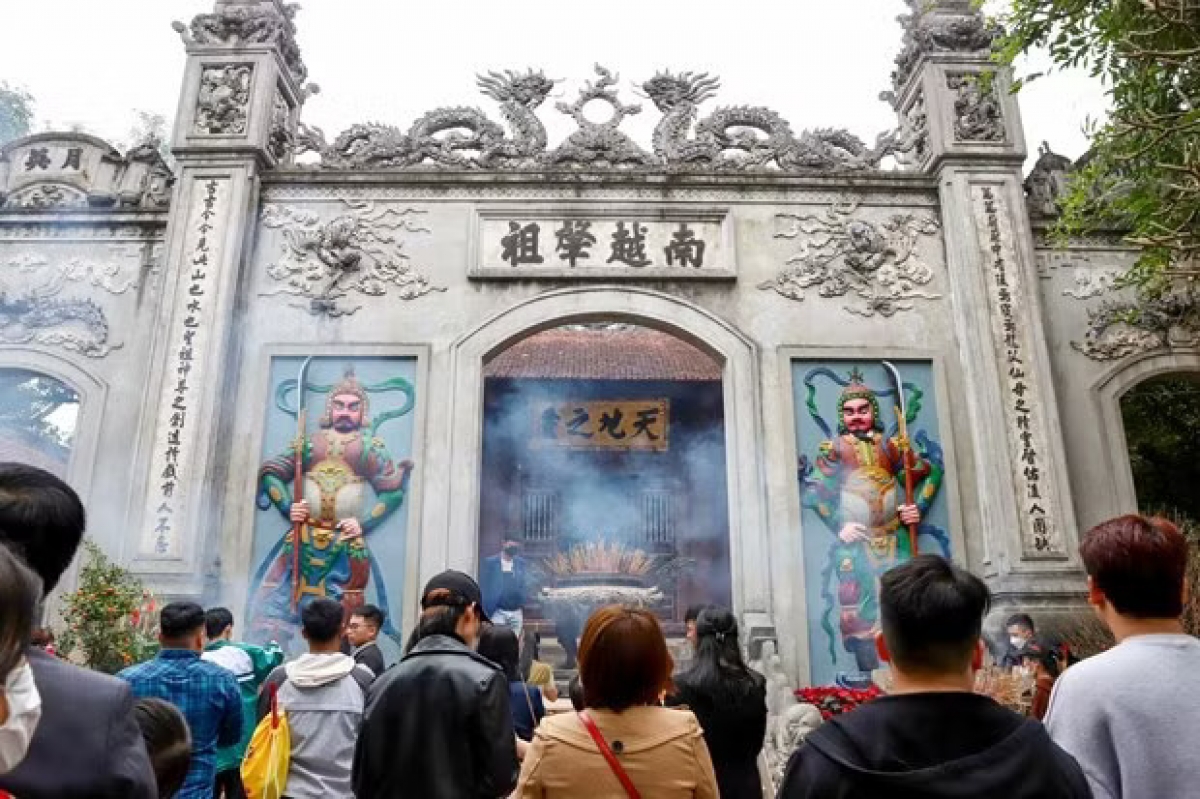
A: For thousands of years, Hung Kings Temple has been a sacred symbol closely tied to the spiritual life of the Vietnamese people. The Hung Kings’ Commemoration Day, held annually on the 10th day of the third lunar month, has become ingrained in the mind of every Vietnamese, as reflected in the folk verse: “Whoever goes back and forth, remember the ancestors’ commemoration of the tenth of the third lunar month”. In 2009, the site was recognised as a special national relic for its outstanding historical and cultural values.
B: As a sacred symbol of Vietnam’s origins, Hung Kings Temple preserves the nation’s ancestral legacy while reflecting the deep-rooted spiritual and cultural values of the Vietnamese people.
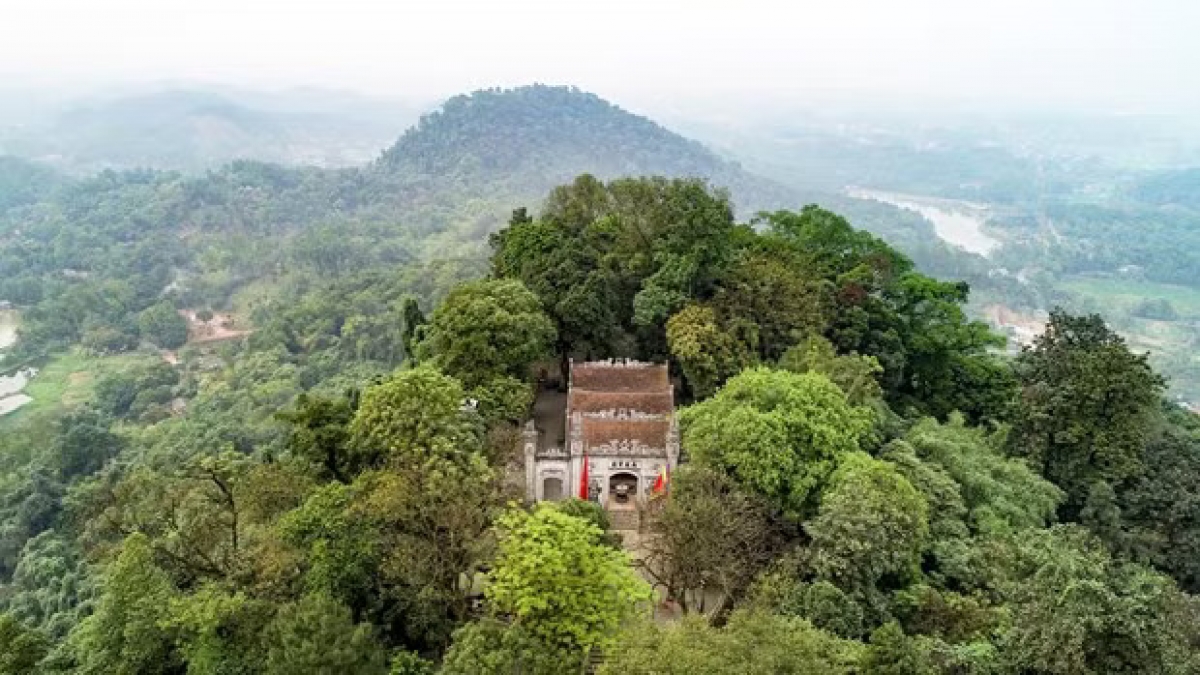
A: Hung Kings Temple is the common name for a historical complex of temples and pagodas dedicated to the Hung Kings and the royal family, located on Nghia Linh mountain, now in Hy Cuong commune, Phu Tho province.
B: The Hung Kings refer to the 18 generations of rulers of the Van Lang State, the first state of the Lac Viet people, considered the ancestors of the Vietnamese, which existed from around the 7th to the 2nd century BCE. Legend has it that they were the descendants of Lac Long Quan and Au Co, who laid the foundation for the establishment of the nation.
A: In the old times, this land was the capital of the Van Lang State, known as Phong Chau. Surrounded by rivers, layered mountain ranges and fertile land, it offered favourable conditions for both livelihood and defence.
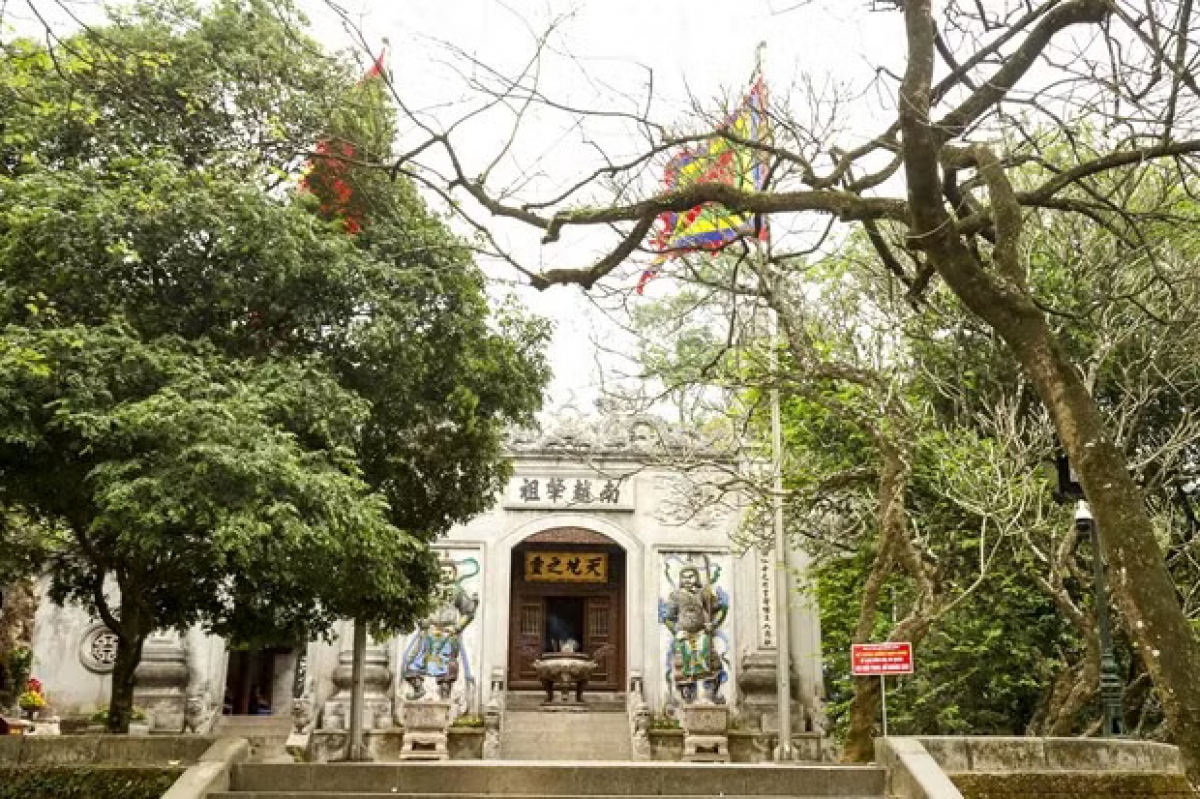
B: According to the historical documents, the Hung Kings Temple complex began to be constructed during the reign of Emperor Dinh Tien Hoang (968-979). Later, around the 15th century under the Later Le Dynasty, the entire complex was completed in a form largely similar to what exists today.
A: The Hung Kings Temple complex covers a total area of 845 hectares, comprising four main temples, namely Ha (Lower) temple, Trung (Middle) temple, Thuong (Upper) temple, and Gieng (Well) temple, along with a pagoda and a mausoleum, as well as other numerous architectural structures. They are distributed from the foot to the top of the mountain, harmoniously integrated with the majestic natural landscape. Over time, many sites within the complex have been restored and expanded, yet they still retain their ancient and solemn character.
B: Within the historical complex of Hung Kings Temple, several other notable sites are present, including the temple of Mother Au Co, which houses statues of Mother Au Co alongside civil and military mandarins, and the temple of Lac Long Quan, which features a bronze statue of Lac Long Quan set on a stone-carved pedestal with an incense burner in front.
A: The site is also home to the Hung Kings Museum, which features thematic exhibitions on the Hung Kings era. The artifacts displayed in the museum provide valuable insights into the formation, establishment and development of the Van Lang State during the time of the Hung Kings.
A: Next, from India, Siddhartha Bhattacharjee asks: “Is World Homeopathy Day, April 10, celebrated in Vietnam? How popular is this method, and are there public universities teaching it?”
B: In Vietnam, homeopathy remains relatively limited compared to conventional medicine and traditional Vietnamese medicine. Instead, Vietnam’s healthcare system focuses more on a combination of modern medicine and traditional herbal practices. There are no major public universities specializing exclusively in homeopathy, though some private or alternative medicine circles do explore it.
A: Now, we have a message from Naghmouchi Nouari of Algeria: “The new website is very beautiful! When will Voice of Vietnam add Arabic programs?”
B: Thank you for your kind words. This question connects closely with a detailed letter we received from Egypt. Sami Mosaad writes: “Including Arabic… would be a strategic step that could significantly strengthen cultural and media ties between Vietnam and the Arab world.”
A: For Arabic programming, your suggestion is attentive and forward-looking. Expanding language services has always been a part of VOV’s long-term vision. While there’s no official timeline yet, feedback like yours plays an important role in shaping future planning. It’s clear there is strong interest from Arabic-speaking audiences.
B: Finally, a warm note from Pakistan. Muhammad Aqeel Bashir writes: “It is always a pleasure listening to your programs… I look forward to the possibility of hearing my question discussed.”
A: And here it is, Aqeel, your message on air! Thank you for your encouragement. It’s listeners like you who make this program meaningful.
B: That brings us to the end of this week’s Letter Box. Keep your letters coming, they are the heartbeat of our program.
A: Until next time, goodbye…
B: …and stay tuned to the Voice of Vietnam.


