



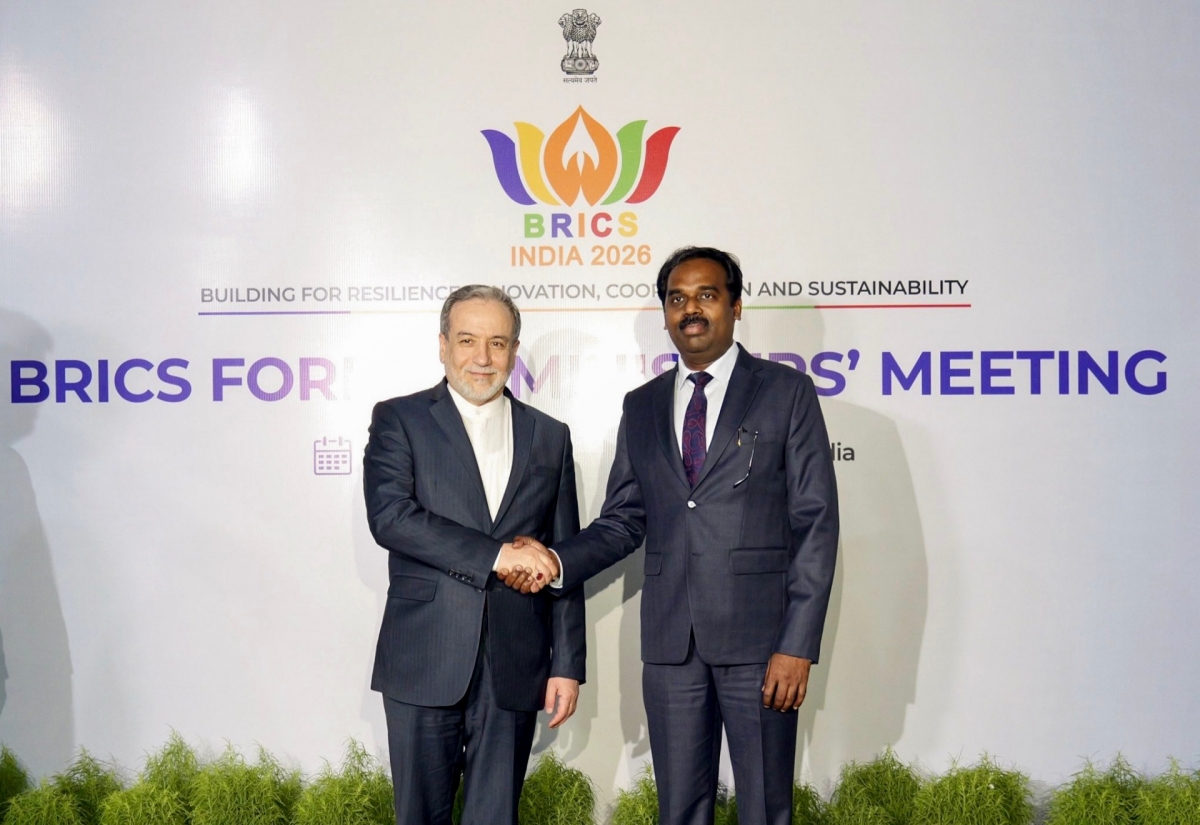
During the two-day meeting, the ministers will exchange views on international issues, including global conflict hotspots, energy security, global supply chains, the reform of multilateral institutions, and cooperation among BRICS member states.
BRICS members and partners will participate in a session themed "BRICS@20: Building for Resilience, Innovation, Cooperation and Sustainability”, where they will discuss the bloc's long-term development two decades after its establishment. Members will exchange views on reforming the United Nations, international financial systems, and enhancing South-South cooperation in technology, energy, and sustainable development.
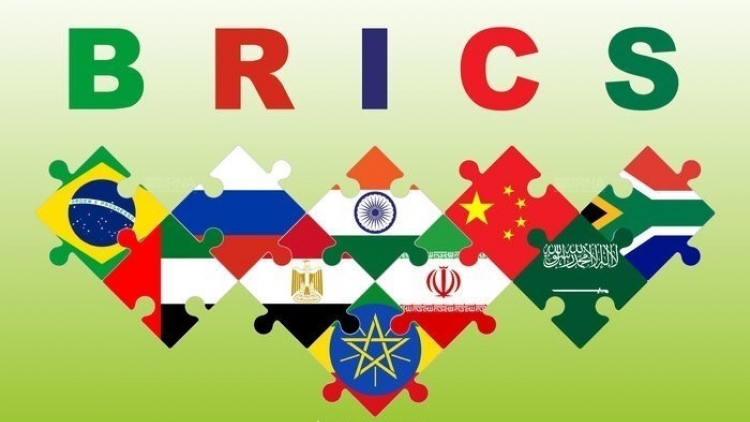
This year’s meeting marks a substantial expansion of BRICS, adding Iran, Indonesia, Egypt, Ethiopia, Saudi Arabia, and the United Arab Emirates (UAE) to the original five members (Brazil, Russia, India, China, and South Africa) for a total of 11 member states.
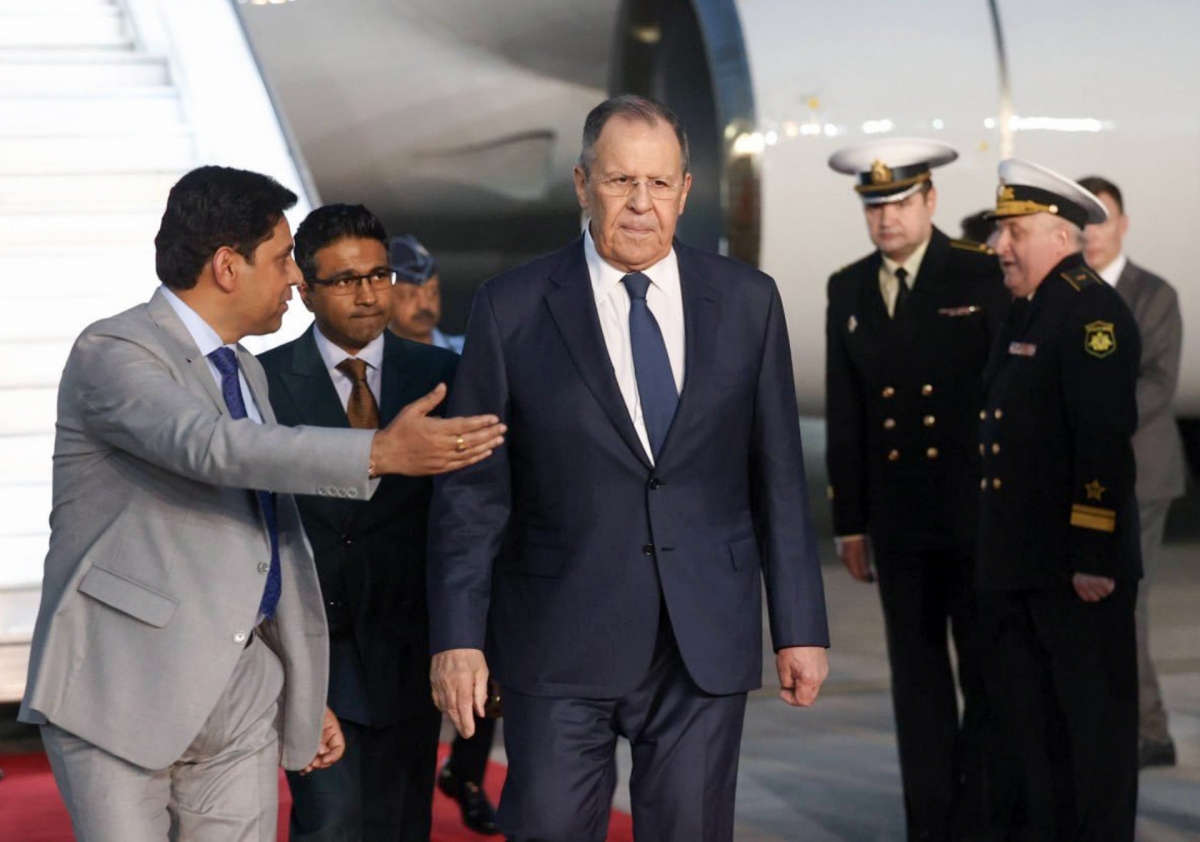
Several high-level bilateral meetings were held on Wednesday ahead of the meeting, including a meeting between India's External Affairs Minister Dr. S. Jaishankar and Russian Foreign Minister Sergei Lavrov. Both Jaishankar and Lavrov stressed the need to promote a multi-polar world order and strengthen coordination within BRICS, the UN, the Shanghai Cooperation Organization (SCO), and the G20.