






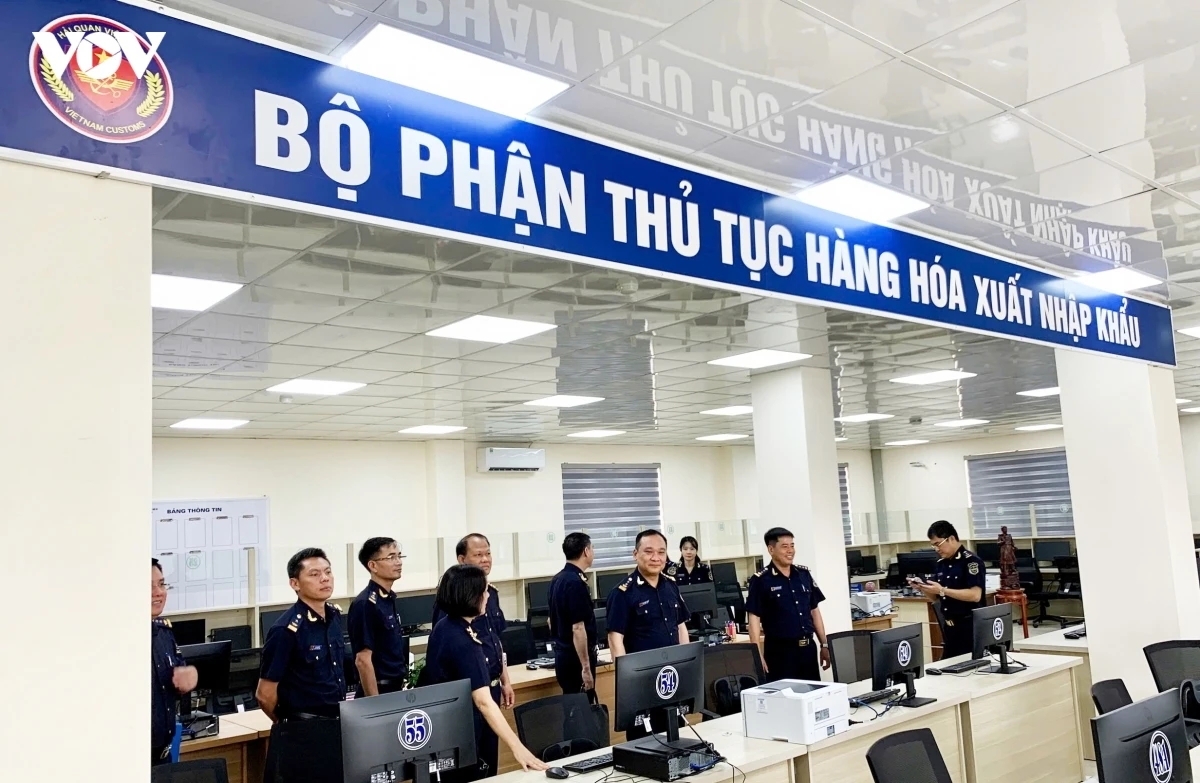
The new model is designed to standardize customs procedures nationwide, helping to accelerate clearance processes, reduce logistics costs, and support the development of a modern customs administration system.
Tran Manh Cuong, Director of Customs Sub-department Region III, said: “The centralized customs clearance model marks a transition from decentralized declaration processing to a unified, digitally enabled system. It reflects a fundamental shift in customs management toward greater transparency, professionalism, and efficiency, with businesses placed at the center of service delivery."
"A key benefit of the new model is the consistency it ensures in customs operations. Under the centralized system, identical cases will be handled using the same procedures and standards, eliminating variations in interpretation and implementation among different customs offices. This will help businesses plan their operations more effectively, better estimate processing times, and strengthen the reliability of their supply chains,” Cuong added.
According to the Customs Department, the implementation of the centralized customs clearance model is regarded as a major reform of Vietnam’s customs sector following more than a decade of operating the Vietnam Automated Cargo and Port Consolidated System/Vietnam Customs Intelligence Information System (VNACCS/VCIS).
Since its nationwide rollout in 2014, the electronic customs clearance system has been deployed across all customs offices in the country. It currently serves more than 99.65% of import-export enterprises and processes approximately 99% of electronic customs declarations, maintaining stable operations around the clock.


