







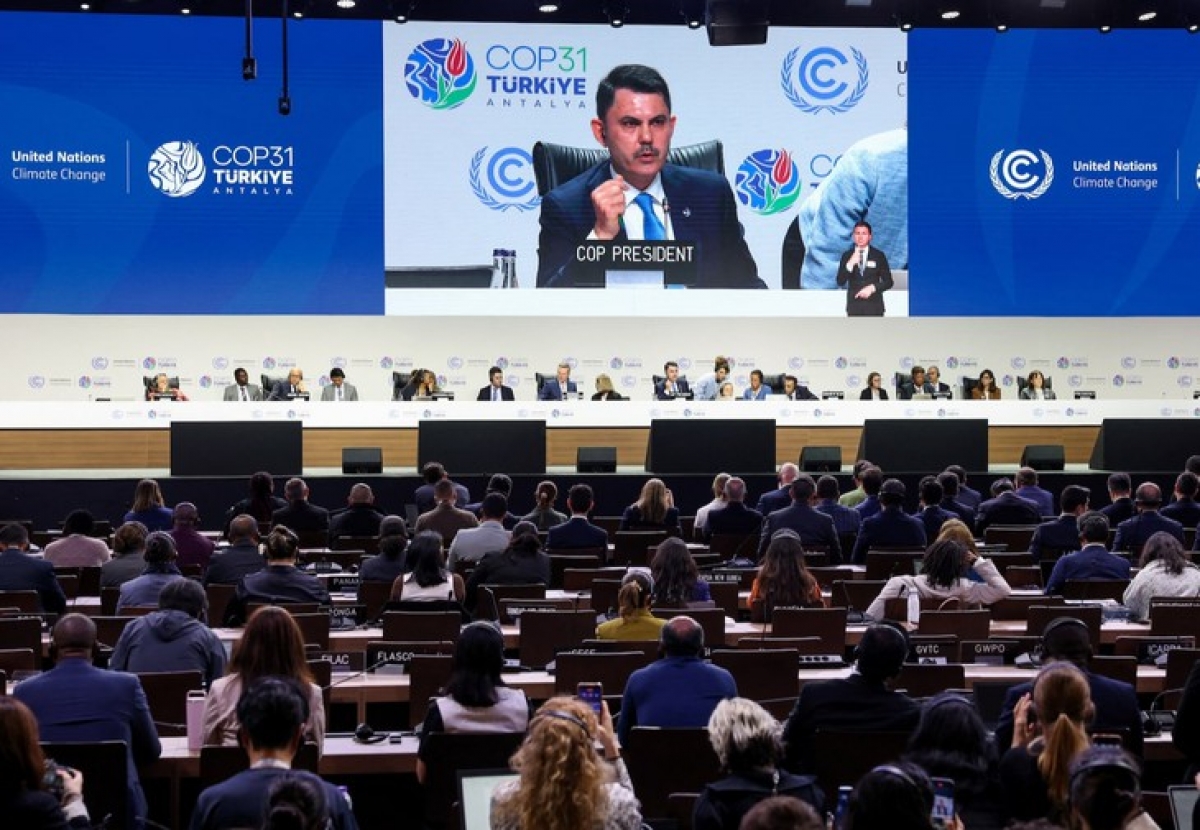
Under established rules, agreements at COP require near-unanimous consensus. However, disagreements regarding fossil fuels—the primary driver of global warming—and issues related to climate finance prevented the parties from finding common ground.
The EU and several other nations rejected the final draft put forward by COP31 presidents Turkey and Australia, citing the document's failure to address fossil fuels. Meanwhile, many other countries argued that an agreement should be reached, even if the document fell short of full expectations. This impasse highlights the persistent divisions among the parties regarding the roadmap for energy transition and the responsibility for addressing climate change.
Another contentious issue is climate finance. Nations particularly vulnerable to climate change have demanded that developed countries provide greater clarity on their financial support commitments, intended to help poorer nations cope with the increasingly severe impacts of a warming planet.
A proposal to capture, reuse, and store 1 billion tones of carbon emissions aimed at assisting industries that struggle to transition to renewable energy also failed to garner consensus among the parties. Negotiations are expected to continue Monday, the third day beyond the originally scheduled deadline.


