



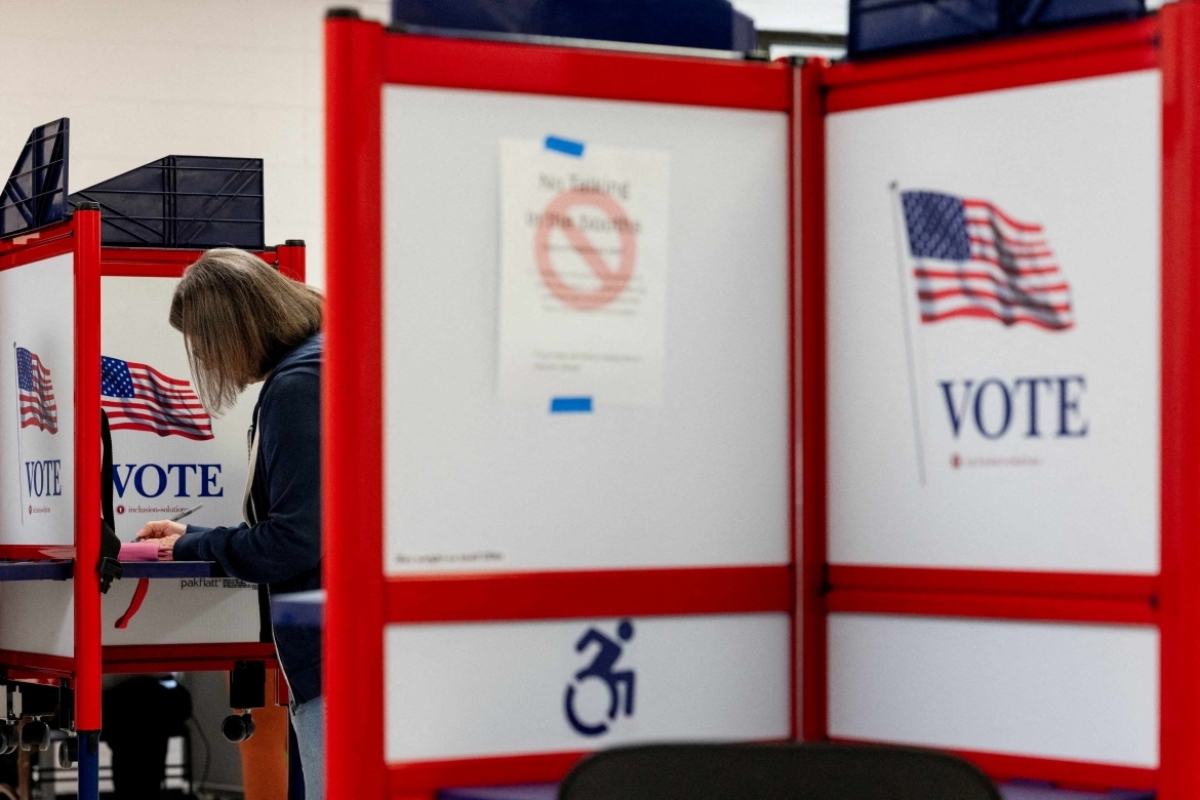
As of Saturday morning, over 50.5 million Americans had voted either in person or by mail, according to data compiled by the University of Florida, 5 million more votes compared with the last such election in 2022 amid a series of tight contests that will determine control of Congress. About 10.7 million registered Democrats and 7.8 million registered Republicans have already cast their votes.
The Republican Party currently holds 53 seats in the Senate—compared to 47 held by Democrats and independent senators who caucus with them—and maintains a narrow majority in the House of Representatives.
In the November 3 elections, all 435 seats in the House and 35 seats in the Senate will be contested. The outcome will directly impact President Donald Trump’s ability to implement his agenda during the final two years of his term.
In the closing days of the campaign, President Trump and key Republican figures have intensified their efforts in battleground states, urging voters to head to the polls to help preserve the party’s majority in Congress. On the Democratic side, former President Barack Obama and former Vice President Kamala Harris have stepped up efforts through rallies, voter outreach, and campaigns to encourage early voting.