







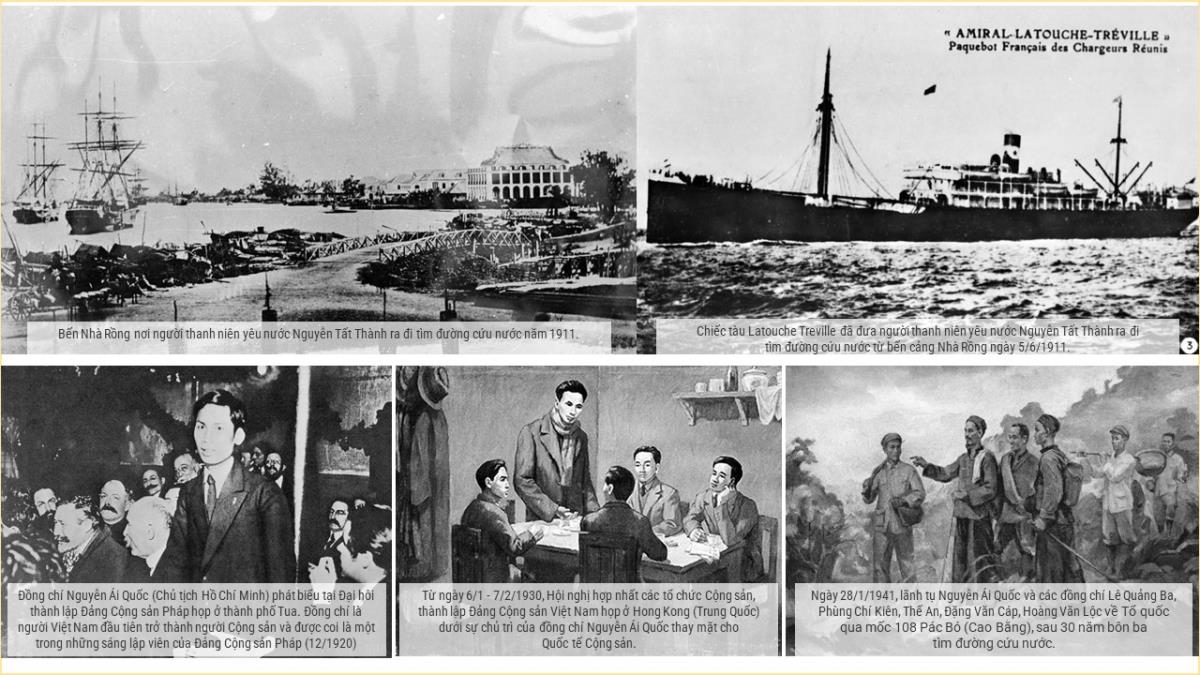
The departure marked a historic turning point for the Vietnamese nation and symbolized the growing exchanges and interactions taking place across Asia and the wider world in the early 20th century.
According to Associate Professor Dr. Nguyen Van Sau, Deputy Director of the Vietnam Institute for National Defense Strategy and History, the event opened a new chapter for Vietnam’s national liberation movement. At a time when the country was struggling to find an effective path to independence, Nguyen Tat Thanh’s journey helped identify a revolutionary course that was in line with the development trends of the era, he said.
Major General Sau noted that history has shown the significance of that decision, as the Vietnamese revolution went on to achieve successive victories, securing national independence, reunifying the country, and paving the way for renewal and deeper international integration.
115 years later, the event still affirms the enduring principle of linking national independence with socialism.
“In the belief that Vietnam is one nation and the Vietnamese people are one, and that nothing is more precious than independence and freedom, Vietnam has overcome invading forces and safeguarded its independence and national unity, while continuing its path toward socialism,” Associate Professor Dr. Nguyen Minh Truong, former Director of the Institute of Ho Chi Minh and Party Leaders, said.
“We firmly believe that the revolutionary cause chosen by President Ho Chi Minh, the Vietnamese people, and the Communist Party of Vietnam will ultimately succeed, and that Vietnam will become a nation standing shoulder to shoulder with countries around the world. The rights of independence and freedom will be fully realized, and the people will enjoy prosperity, liberty, and happiness, in accordance with the aspirations expressed by President Ho Chi Minh in the Declaration of Independence,” he noted.
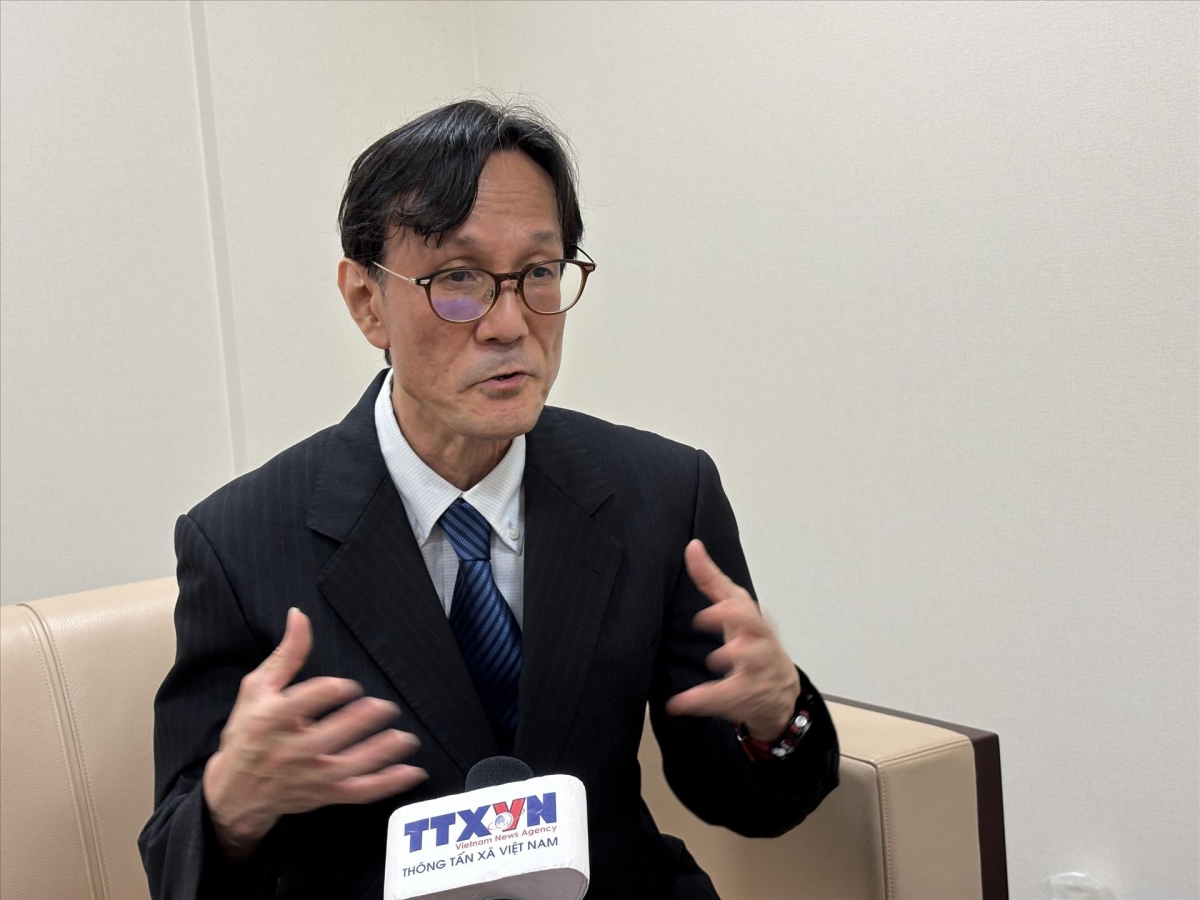
According to Professor Shimizu Masaaki of the University of Osaka, Nguyen Tat Thanh’s observation of Western societies, colonized territories, and international labor movements helped shape a global vision that was rare among Asian figures of that period.
Shimizu noted that the deeper significance of Nguyen Tat Thanh’s 1911 departure lies in the recognition that modernization and national liberation are inseparable from learning from the world through practical experience and international dialogue.


