







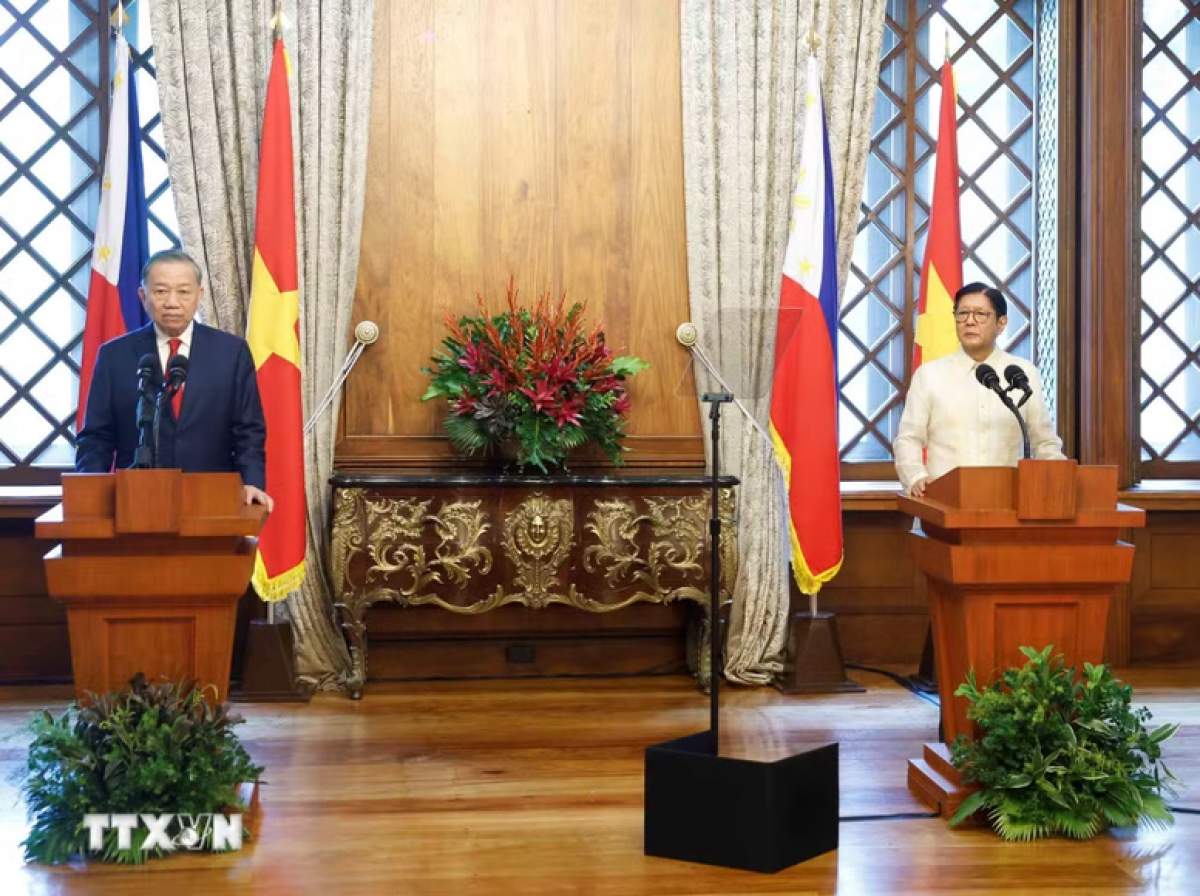
According to the statement, the two leaders agreed to regularly convene the institutionalized bilateral mechanisms for dialogue and cooperation at various levels, including the Joint Commission on Bilateral Cooperation (JCBC), the Joint Trade Committee (JTC), defense and security dialogues, and maritime and ocean affairs consultations, in order to identify and unlock their complementary potential.
Both leaders expressed their desire to surpass the 10 billion USD bilateral trade target and attain a balanced trade relationship through the expansion of two-way trade opportunities, improvement of market access, and reduction of trade and investment barriers. They welcomed efforts to explore emerging areas of cooperation, including in science and technology, innovation, digital inclusion/digital transformation, emerging technologies, and energy.
The two leaders committed to pursuing closer agricultural collaboration through joint research and development, technological application and transfer, capacity building activities, exchange of scientists and best practices, and exploration of potential areas for cooperation in trade and investment, agriculture, particularly on rice, fisheries, sustainable blue economy development, sustainable agriculture, smart agriculture, disaster management, and climate change adaptation.
They called for closer bilateral cooperation to combat illegal, unreported and unregulated (IUU) fishing. The two leaders pledged to further strengthen cooperation in tourism development and agreed to improve collaboration in marine scientific research, environmental protection, hydrography, maritime connectivity, and the conservation of international waters.
The two sides will broaden collaboration in the defense industry, including military medicine, military logistics, defense trade, search and rescue operations, humanitarian assistance and disaster relief (HADR), maritime and aviation security, counter-terrorism, and peacekeeping efforts.
The two sides also reaffirmed their commitment to facilitating favorable conditions for Vietnamese citizens in the Philippines and Filipino citizens in Vietnam to live, work, and study in accordance with the laws of each country and international practices.


