







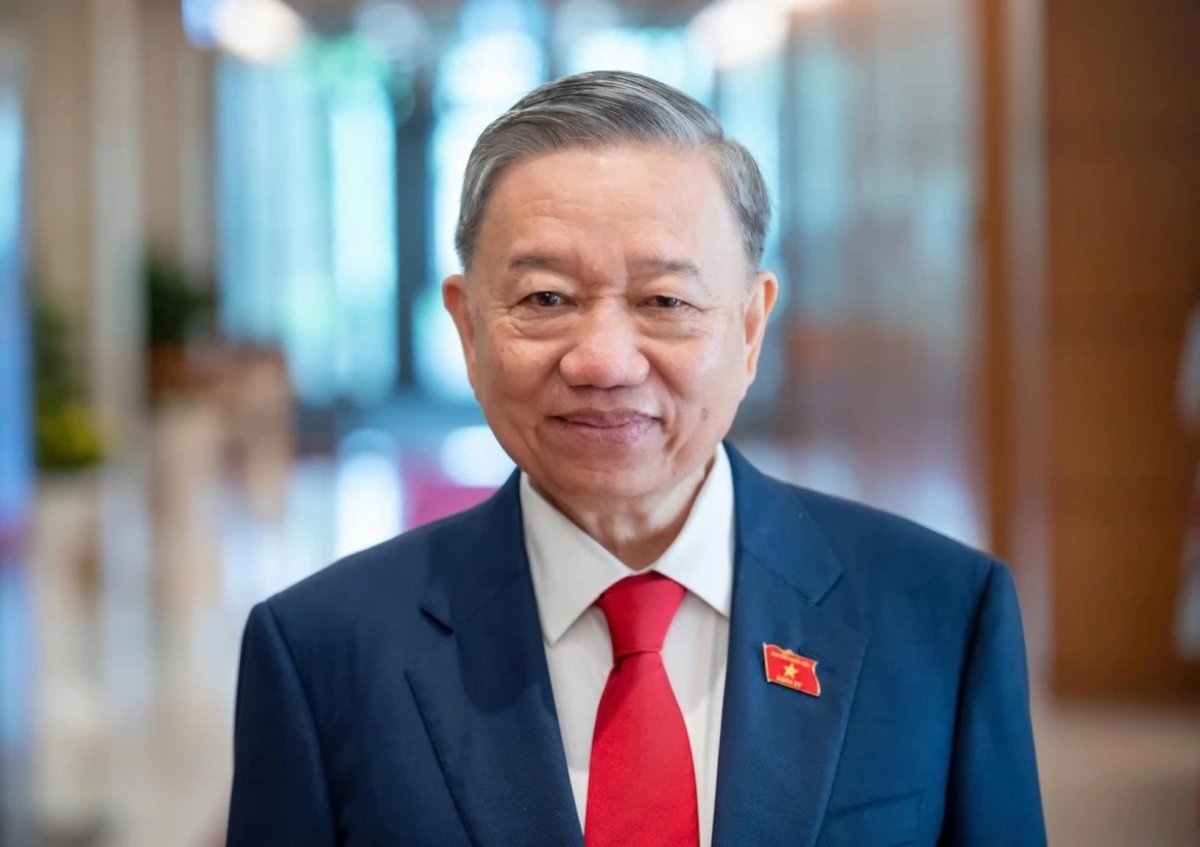
In an article titled “For an ecological civilization, a green Vietnam, and a peaceful, sustainable Ocean”, marking World Environment Day (June 5) and World Oceans Day (June 8), the Vietnamese top leader stresses that Vietnam must adopt a consistent guiding principle that green development, environmental protection, ocean conservation, and climate change adaptation must become fundamental pillars of the country's development model in the new era.
To achieve this vision, the General Secretary and State President outlines six major priorities for the years ahead.
First, Vietnam must further develop its growth philosophy and environmental governance framework by recognizing nature as the foundation of sustainable development. All development strategies, plans, programs, and projects should be designed within the ecological carrying capacity of natural systems, climate resilience requirements, and the imperative of safeguarding public health.
Second, Vietnam must accelerate the green transition across its growth model, energy structure, production systems, consumption patterns, and urban development. Green transformation should serve as a key driver for enhancing national competitiveness.
Vietnam must also promote a modern, responsible blue economy that supports the protection of national sovereignty, the livelihoods of coastal communities, and peace at sea.
Vietnam aims to build a more advanced marine economic model based on science, technology, marine data, and ecosystem conservation. Priority areas include the development of green seaports, offshore renewable energy, marine biotechnology industries, eco-tourism in coastal and island areas, and maritime services.
At the same time, stricter measures are needed to combat illegal fishing, protect marine resources, and improve the living standards of fishing communities.
In parallel, Vietnam will focus on restoring natural ecosystems and strengthening climate resilience as a strategic component of national infrastructure.
The Party and State leader also highlights the importance of building an environmental governance system grounded in science, data, digital technology, and broad social participation, while ensuring fairness in the green transition and expanding international cooperation on climate action, environmental protection, and ocean governance.
Vietnam is a maritime nation and one of the countries most vulnerable to the impacts of climate change. With more than 3,260 kilometers of coastline, two major river deltas, an extensive network of waterways, and numerous coastal cities that are home to millions of people, Vietnam faces significant risks from sea-level rise, storms and flooding, saltwater intrusion, coastal erosion, pollution, declining marine resources, ecological degradation, and the overexploitation of natural resources. These challenges underscore the urgency of pursuing sustainable development and strengthening environmental resilience.


