



According to the Vietnam Institute for Urban and Rural Planning (VIUP), this adjustment is a step forward in restructuring the development framework, and ensure that it aligns with the national master plan and plans for each region.
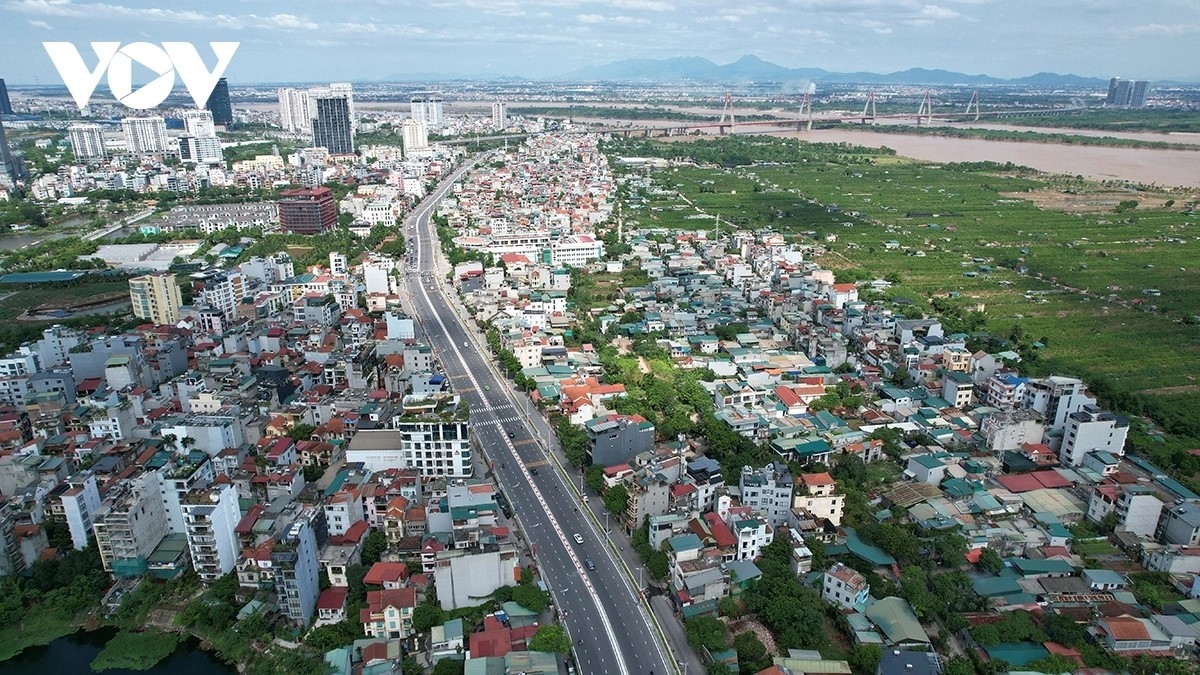
The adjustment will move away from a model of “a city for each locality” to an interconnected urban network, in which growth pillars, economic corridors, and development hubs play leading roles.
Under the proposed plan, by 2030 Vietnam’s urban system will have a multi-centered structure, with an over 50% urbanization rate. By 2050, urbanization will reach 70–75%, with green, low-emission, and smart cities that can compete in the region.
Four major urban regions will be Hanoi, Ho Chi Minh City, Da Nang–Hue, and Can Tho, serving as “core hubs” in the network.